Hemp Dog Toys Wholesale: A Buyer's Sourcing Guide
Hemp rope toys read as a simple product until a buyer starts comparing suppliers on fiber source, weave durability and finishing. What actually separates one hemp toy from another.
By WINVN · · 2 min read
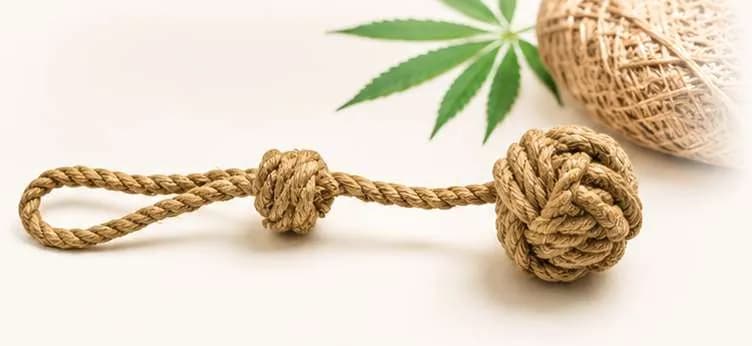
A hemp rope ball looks like a commodity product from a photo, and quoting it that way is how buyers end up comparing suppliers on price alone and getting surprised by the difference once samples from two suppliers sit side by side. The variables that actually separate a good hemp toy from a mediocre one are mostly invisible in a product listing photo.
What actually varies between suppliers
Fiber quality and source consistency. Hemp fiber varies by growing region and processing method, and a supplier sourcing from inconsistent upstream suppliers will produce toys that vary batch to batch — a looser weave, a rougher finish, a different colour tone — even when the design spec stays the same. Ask how fiber sourcing is controlled and whether it comes from a consistent supplier base.
Weave tightness and durability under real chewing. A loosely woven rope ball unravels faster under sustained chewing than a tightly woven one, and this is not always visible in a photo or even in a first handling of the product. The only reliable way to check it is to have a dog actually work on a sample for a meaningful period before committing to a production order.
Core construction. Many hemp toys are built around a core — sometimes another material, sometimes a denser wound section — that determines how the toy holds shape and resists tearing apart. A supplier should be able to explain what the core is and why it was chosen, not just describe the outer material.
Finishing and loose-fiber shedding. A toy with poorly trimmed ends sheds fiber for weeks after purchase, which shows up in negative reviews about mess even when the toy itself performs fine. Check finishing quality specifically on a sample before a full order.
Why this product fits the plastic-free positioning
Hemp is one of the more durable plastic-free materials available for tug and chew play, and independent retailers positioning around a plastic-free range increasingly stock it alongside coconut fiber and coffee wood to cover different play styles. Why eco pet shops are switching to plastic-free chews covers the broader retail context this fits into.
What to check before a first order
Request a sample in the exact size and weave you intend to stock, not a general catalogue sample — weave tightness and core construction can differ across sizes within the same product line. Confirm MOQ and packaging options separately, since hemp toys typically ship without the size-chart constraints that apply to coffee wood chews.
If you are evaluating hemp toys for a range, request samples in two or three constructions and let an actual dog test them before committing to volume — durability differences that are invisible on a shelf become obvious within a week of real use.