Quality Control
Learn more
Launching a natural pet product? Start with samples and low MOQ. Request Samples
Quality and safety
Five inspection stages, the specific failure modes of natural wood, and the limits of what any chew can claim.
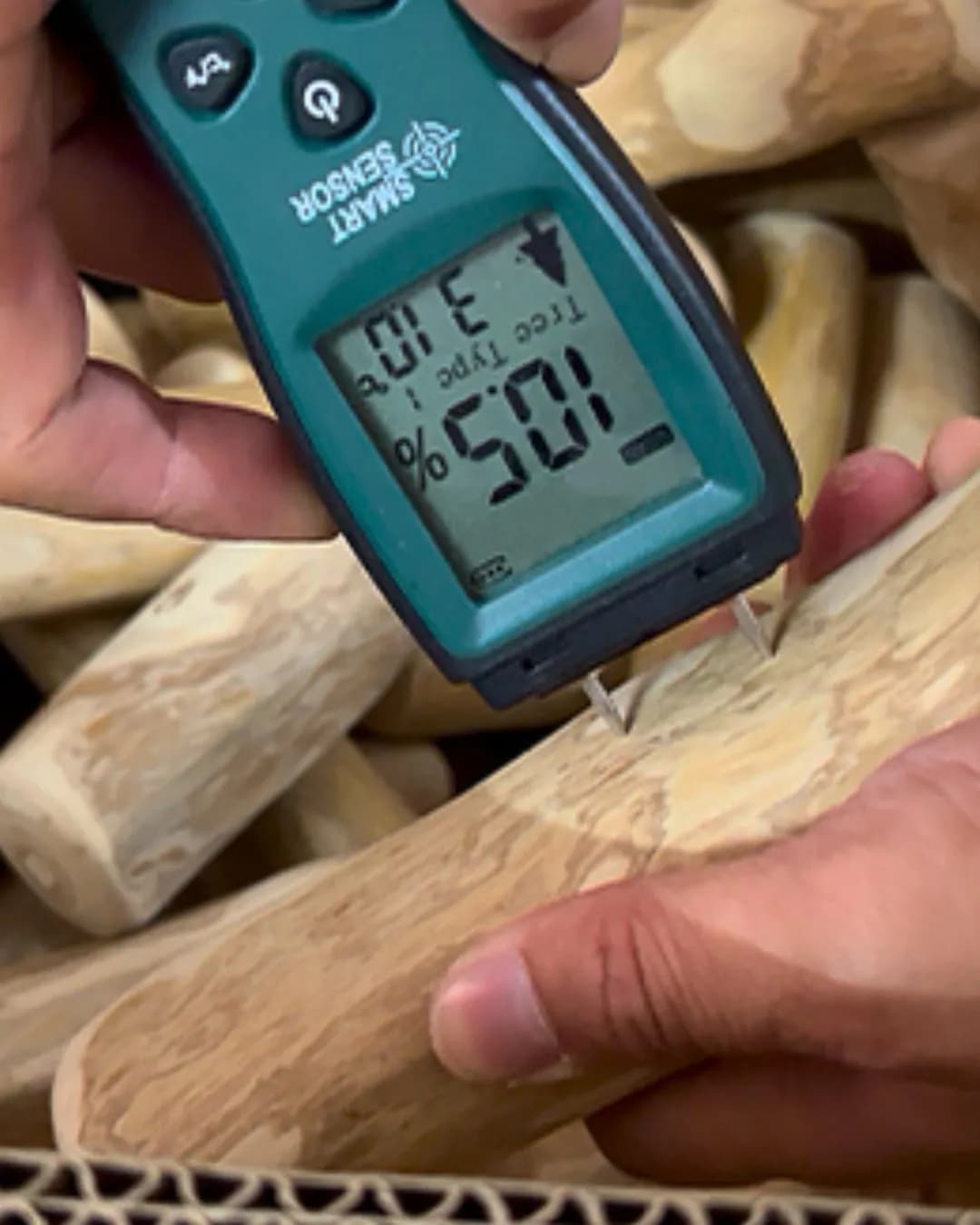
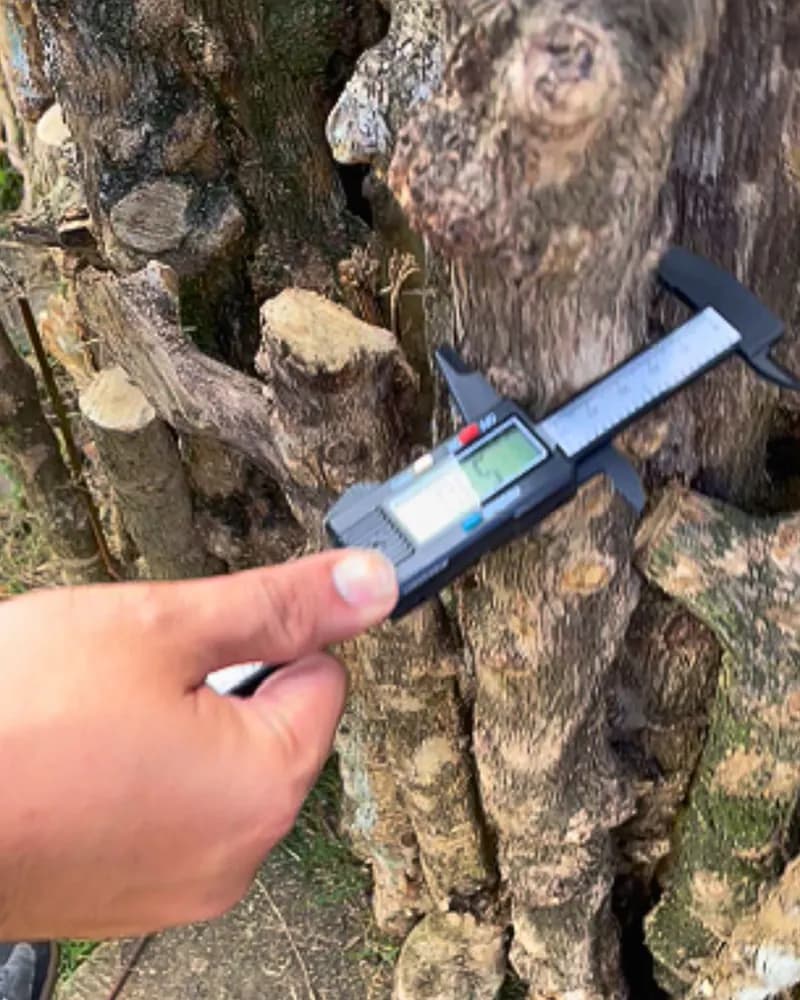
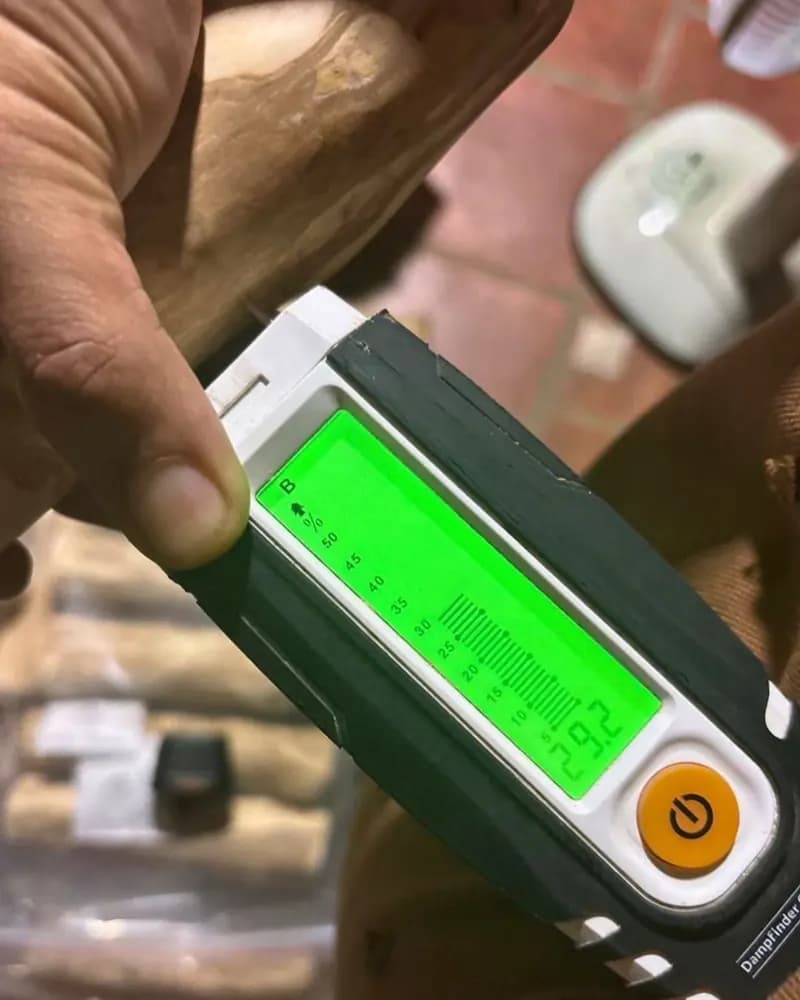
Natural wood fails in three specific ways: moisture, splintering and dimensional drift. Moisture is why wood is dried before cutting and checked again before packing — under-dried wood develops mould in a sea container. Splintering is a property of the species and the grain, which is why coffee wood is used and softwoods are not. Dimensional drift comes from tooling wear, which is why cutting is checked in process rather than at the end.
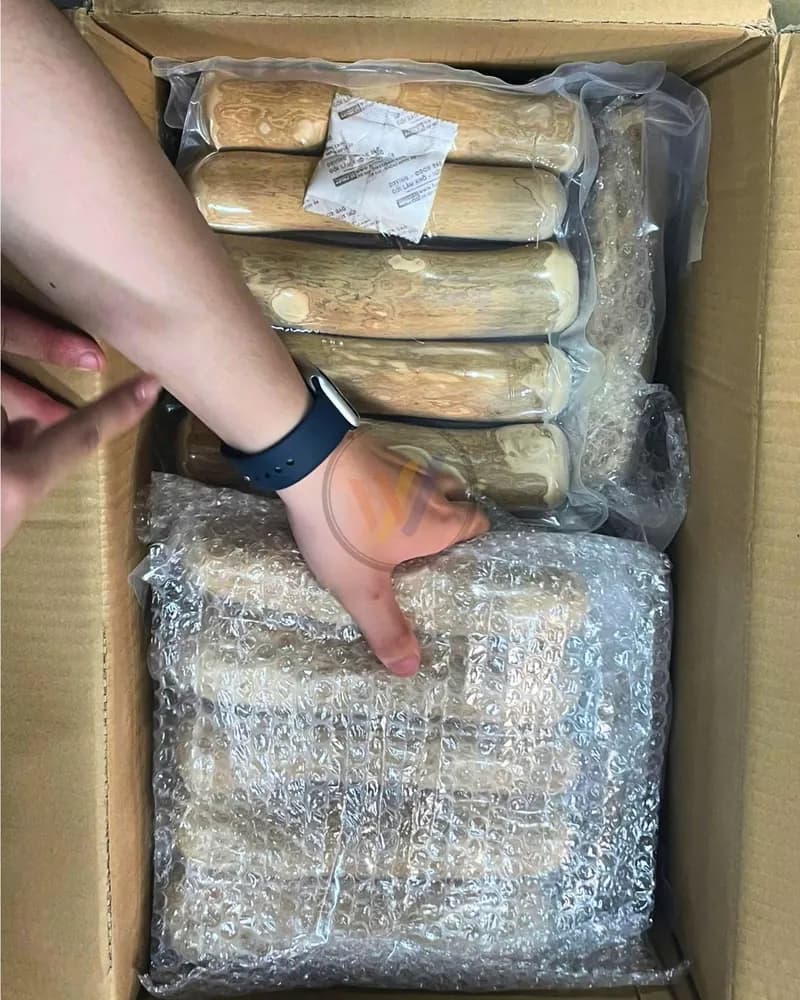
Inspection happens at five stages — raw material, in-process, semi-finished, final product and pre-shipment. The reason for five rather than one is arithmetic: a defect caught at raw material costs one batch of wood, and the same defect caught at pre-shipment costs the entire run.
Third-party inspection is welcome at your cost, and we will schedule production around it. A supplier who resists an independent inspector is telling you something worth hearing.
What no manufacturer can promise is that a product is safe for every dog in every circumstance. Chews are consumed under supervision; size should match the dog; a determined chewer will get through things that a gentle one will not. We would rather say that plainly than let a buyer discover it through a customer complaint.
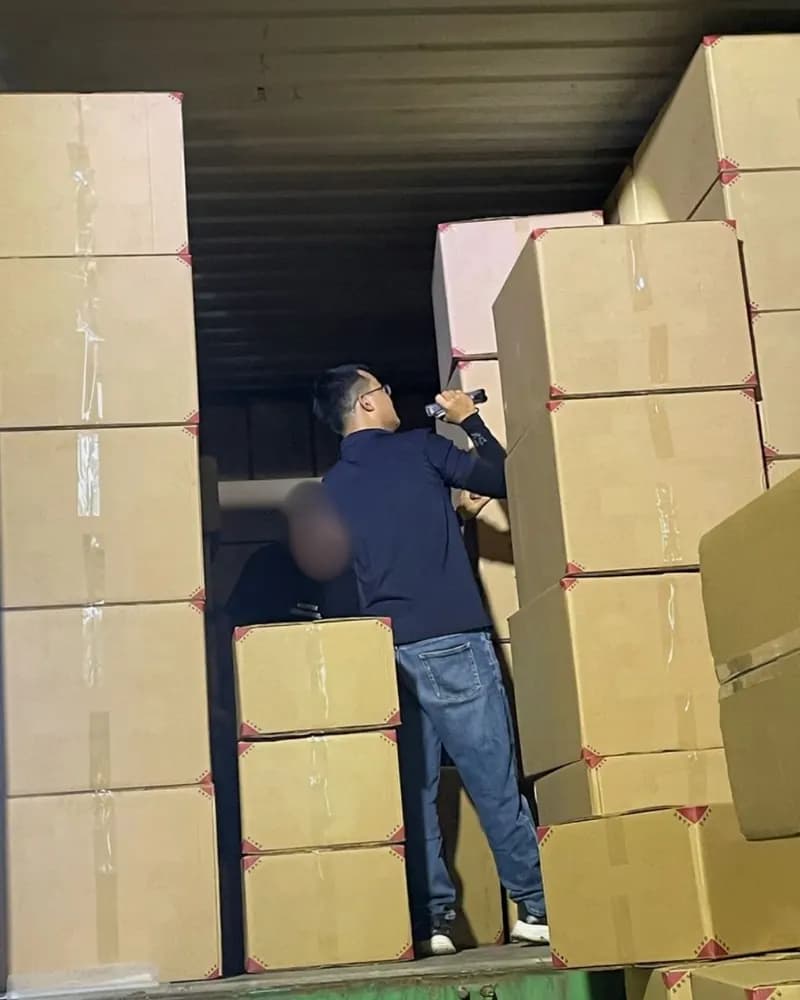
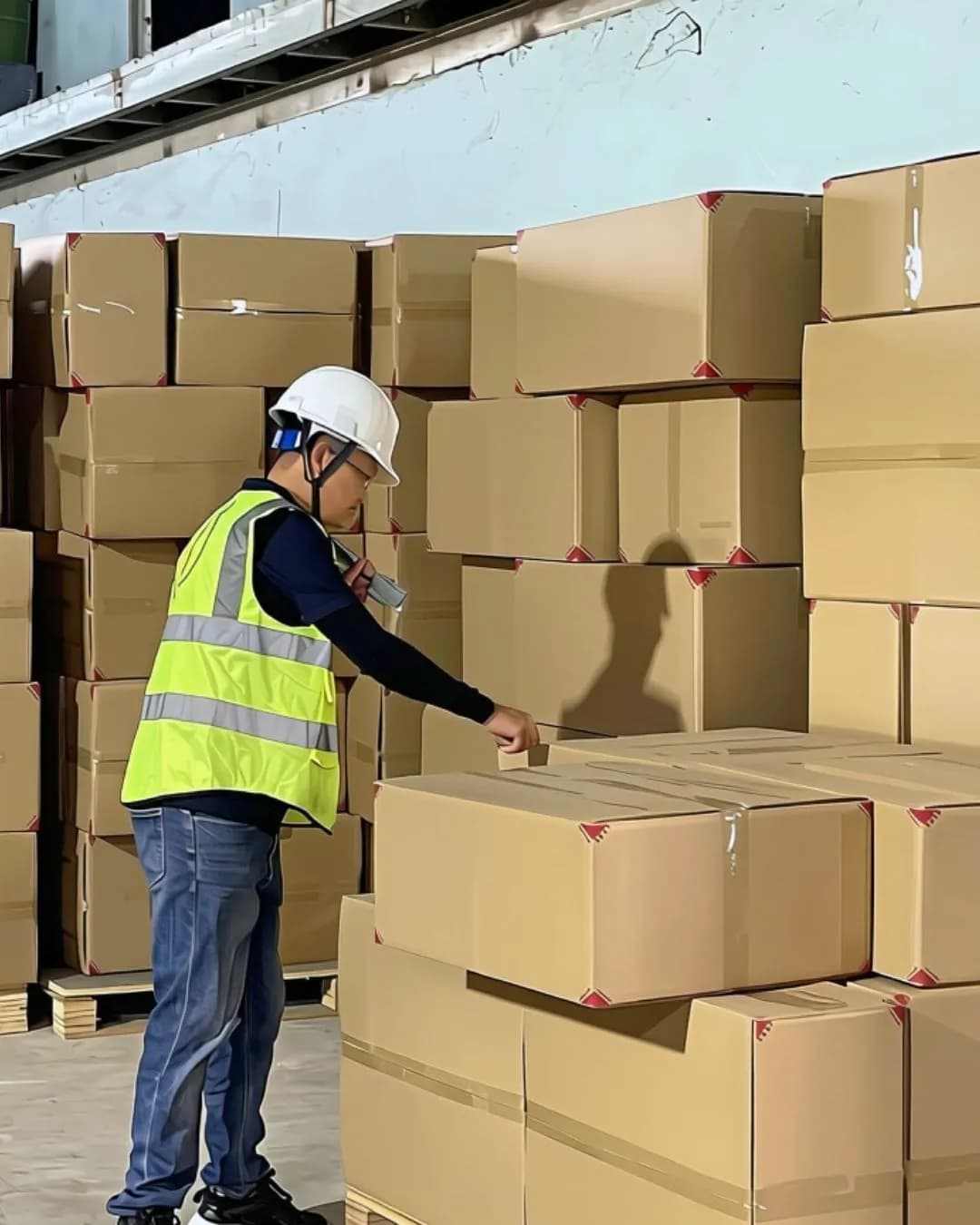
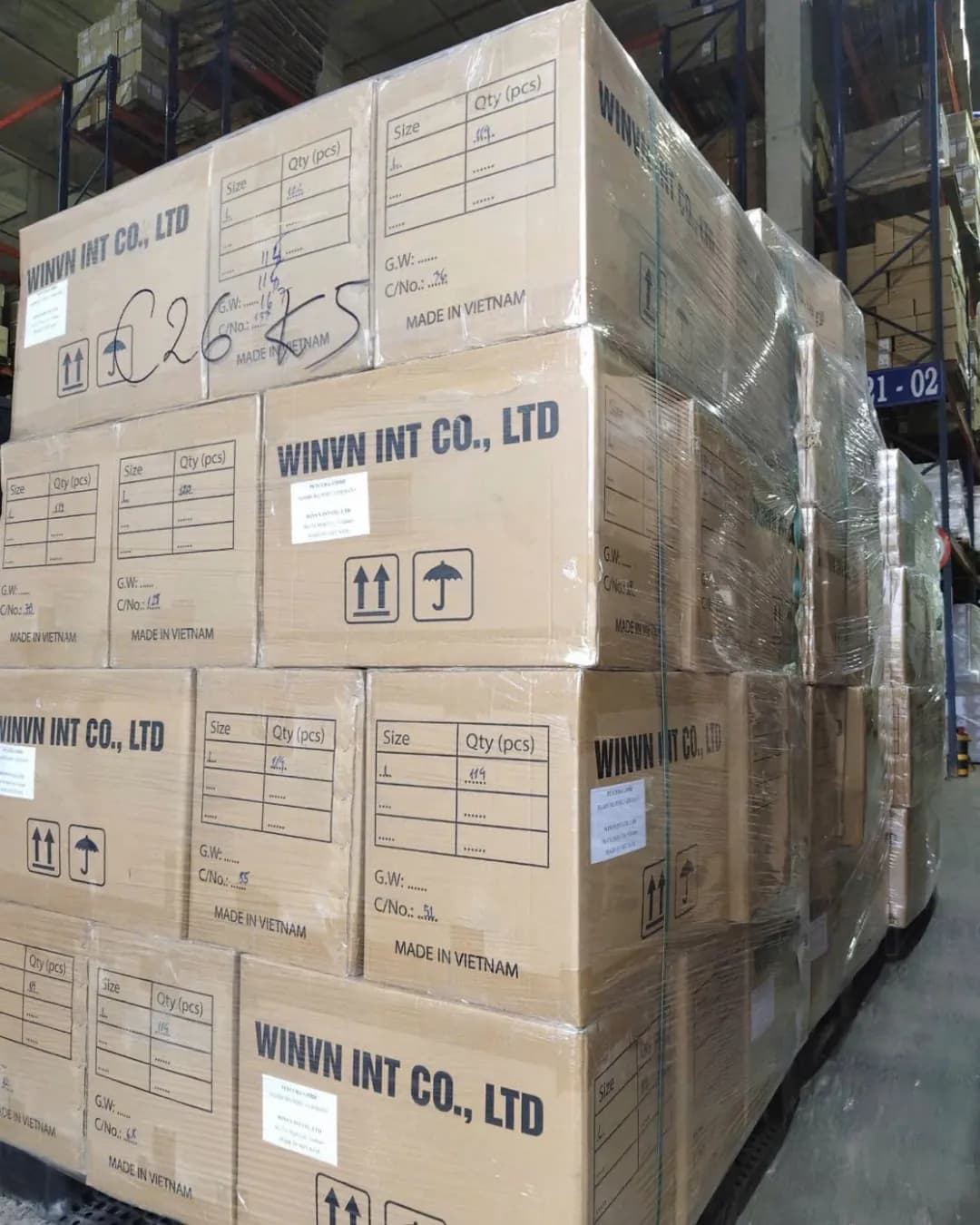
Five inspection stages, the specific failure modes of natural wood, and the limits of what any chew can claim.
We use essential cookies to run this site, and analytics cookies to understand which pages help buyers. You can decline analytics and everything will still work.