Coconut Fiber Dog Toys: What Buyers Should Check Before Ordering
Coconut fiber toys vary more than the category suggests — fiber grade, binding method and buoyancy all affect how the product performs and how long it lasts on a shelf.
By WINVN · · 2 min read
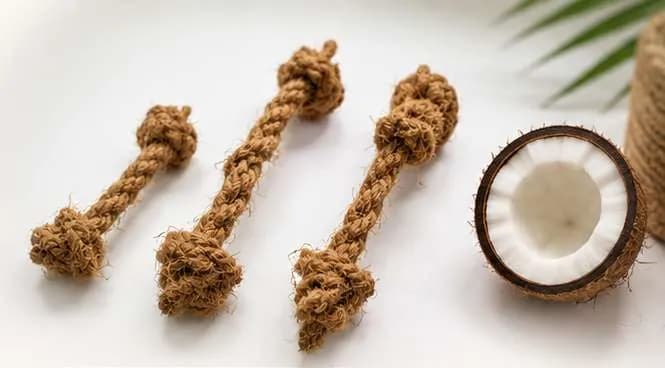
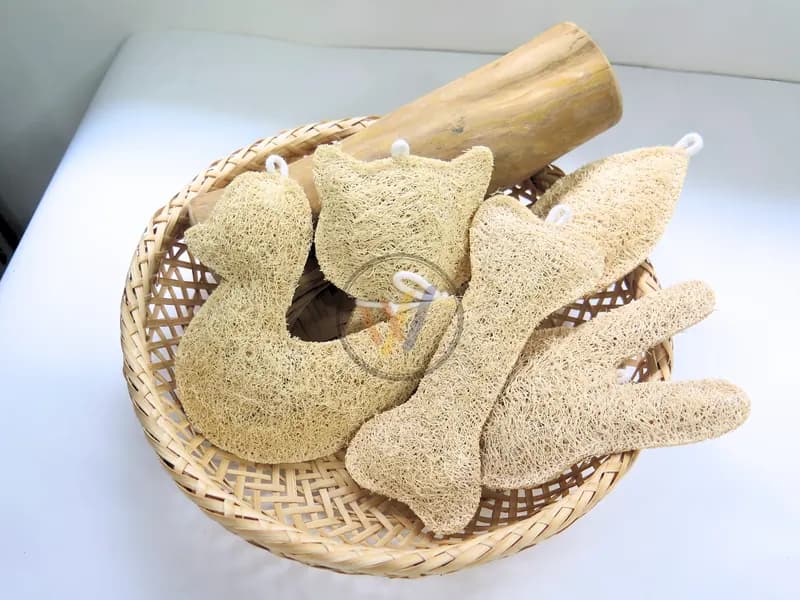
Coconut fiber toys get positioned in a listing as a single category, but the products behind that category differ meaningfully in fiber grade, how the fiber is bound together, and how the finished piece holds up under water play or sustained chewing. A buyer comparing two suppliers on price alone, without checking these, is comparing products that only look the same in a photo.
What actually affects performance
Fiber grade. Coarser, lower-grade coconut fiber produces a rougher, less durable product that sheds more over its life. Higher-grade fiber, more carefully cleaned and sorted before processing, holds together longer and produces a cleaner finished surface. This difference is genuinely visible on close inspection of a sample, even if it is not visible in a catalogue photo.
Binding method. Some coconut fiber toys are bound with natural latex or a similar binder; others rely purely on the fiber's own structure, sometimes reinforced with rope or netting. The binding method determines whether the toy holds shape under water — a real consideration, since coconut fiber toys are frequently marketed on buoyancy — and how it degrades over repeated use.
Buoyancy, if that is part of the pitch. If buoyancy is a claimed feature for water play, it needs to be verified on the actual finished product, not assumed from the material generally. Request confirmation of how buoyancy was tested, or test a sample directly before committing that claim to your own product listing.
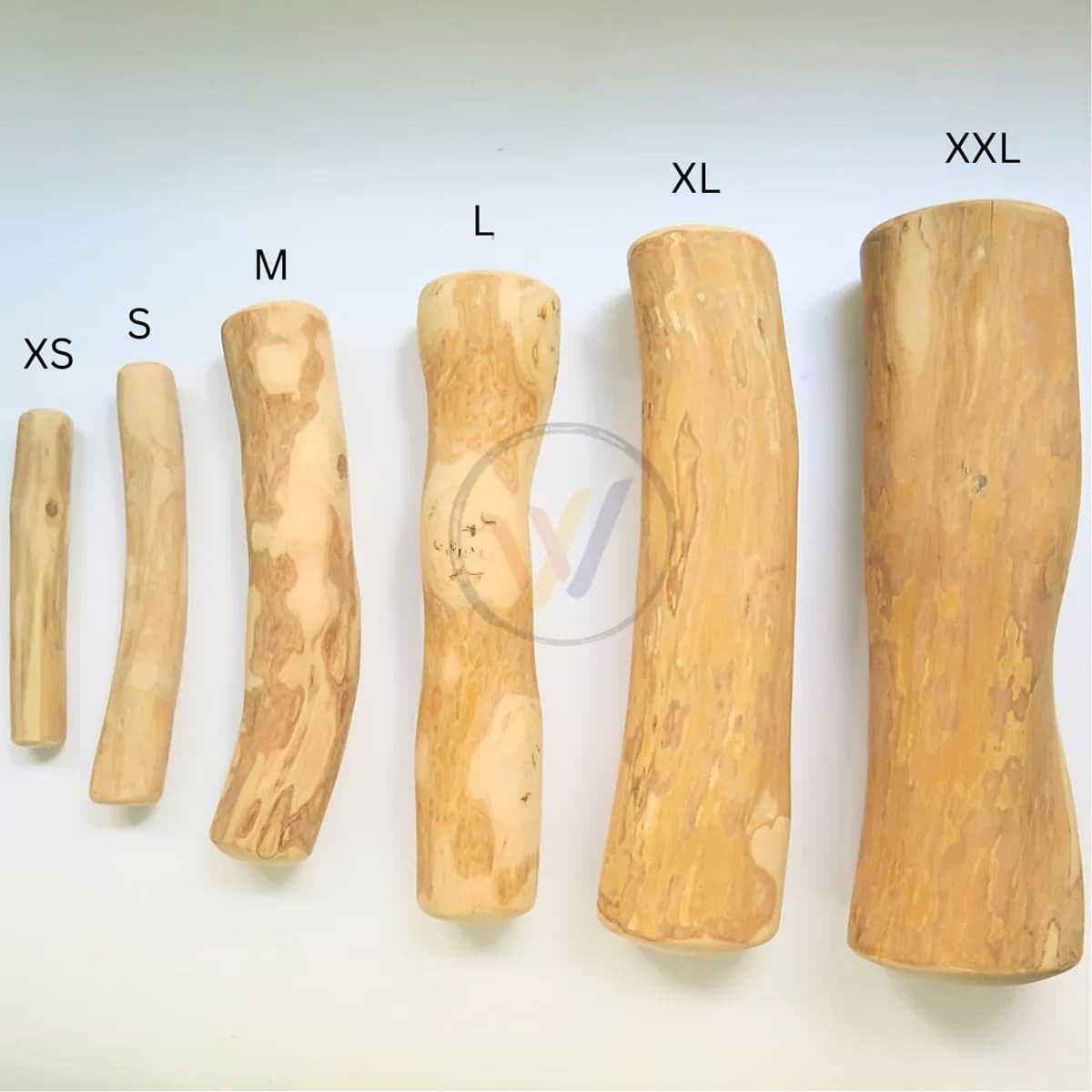
Shape and size consistency across a batch. Coconut fiber toys are often molded or formed rather than cut to a precise size chart, which means batch-to-batch consistency depends more on process control than it would for a dimensioned product like coffee wood. Ask how shape consistency is checked before a batch ships.
Where this fits an eco retail range
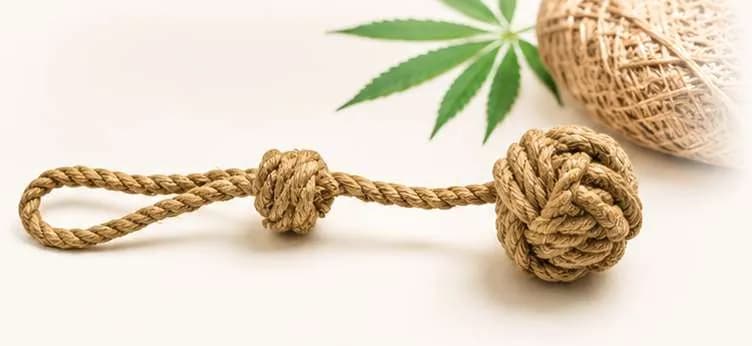
Coconut fiber toys typically fill the ball and chew-toy category in a plastic-free range, complementing rope-based hemp toys and coffee wood chews rather than competing directly with them. Plastic-free shelf reset covers how to sequence a full plastic-free assortment without losing shelf velocity during the transition.
What to check on a sample before ordering
Handle the sample as a customer's dog would — chew resistance, water exposure if buoyancy matters to your positioning, and fiber shedding after a few days of use. These are the differences that separate suppliers, and none of them show up reliably in a photo or a spec sheet alone.
If you are comparing coconut fiber suppliers, request samples of the specific shapes and sizes you intend to stock, and test them the way your actual customers will use them before placing a production order.