Why Eco Pet Shops Are Switching to Plastic-Free Chews
The shift away from nylon and plastic chews in independent pet retail is driven by customer questions retailers couldn't answer, not just supplier marketing.
By WINVN · · 3 min read

Independent pet retailers did not start asking for plastic-free chews because a trend report told them to. Most of the ones we talk to started because a customer asked a specific question at the counter — what is this made of, where does it come from, what happens to it after — and the retailer either had an answer or didn't.
That gap is the actual driver behind the shift, more than any single environmental statistic.
The question retailers couldn't answer
Nylon and synthetic rope toys are durable and inexpensive to stock, which is a genuine advantage. What they are not is easy to explain. "It's a polymer" is not a satisfying answer to "what happens to this when my dog is done with it," and retailers serving an environmentally engaged customer base increasingly found themselves without a good one.
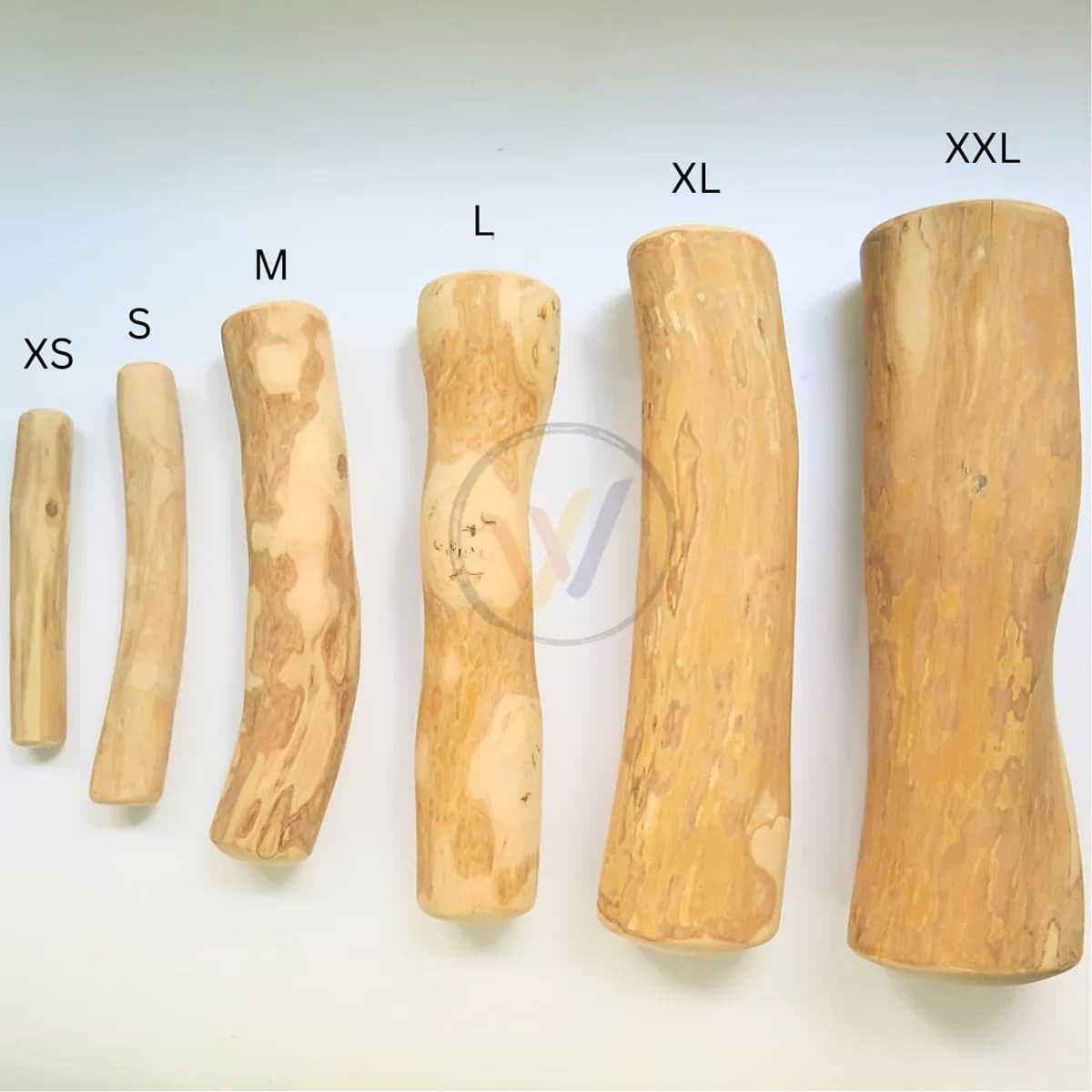
Plant-based materials — coffee wood, coconut fiber, hemp, loofah — answer that question directly: a named agricultural source, a described process, and a material that breaks down rather than persisting. The answer does not need to be perfect to be better than "it's a polymer."
What "plastic-free" is actually solving for
Three things, distinct from each other, and worth separating:
The disposal question. What happens to the product at end of life. A wood or fiber chew biodegrades; a nylon one does not, and ends up in the same waste stream as any other plastic.
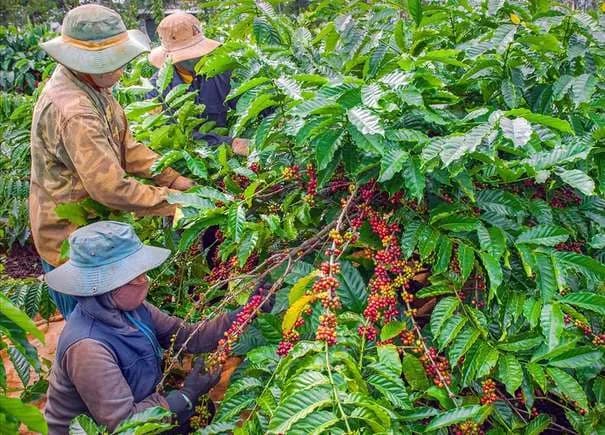
The material-origin question. Where the raw material came from and whether that origin can be described honestly. Coffee wood's origin — retired coffee trees from a 20–25 year production cycle, detailed in our sourcing article — is a genuine byproduct story a retailer can repeat accurately.
The manufacturing-input question. Whether the product itself, not just the packaging around it, contains coatings, dyes or binders beyond the raw material. A single-material product is a simpler, more honest claim than one with an ingredient list.
What retailers should be careful not to overclaim
The honest version of this story has limits, and retailers who overstate it lose more credibility than the ones who understate it. Shipping a plant-based product by sea from Vietnam is not carbon-neutral, and nobody should claim it is. A byproduct-sourced material is not the same claim as sustainably farmed or replanted specifically for this purpose — coffee wood is a byproduct of an existing agricultural cycle, not a crop grown for chews. The credible claim is narrower than the appealing one, and it is also the one that survives a customer's follow-up question.
What this means for a retailer's shelf
Three things are worth having ready, not as marketing copy but as answers:
- A real material name and origin a customer can look up — a province, a crop, a process — rather than a vague "eco-friendly" label.
- An honest disposal answer — what actually happens to the product at end of life.
- A clear single-material or ingredient statement, so a customer asking "what's in this" gets a real answer.
Where to start
If you are building or expanding a plastic-free range and want the material story, photographs and documentation to back it, request samples and tell us what your customers tend to ask — we will send the material story alongside the products, not just the products.