Material Traceability for Pet Products: What Can Actually Be Verified
Traceability claims in pet product marketing range from province-level honesty to unverifiable marketing language. What a buyer should ask for, and what a supplier can realistically provide.
By WINVN · · 3 min read
"Traceable" is one of the most overused words in pet product marketing, and one of the least specified. It can mean anything from "we can name the exact farm" to "the country of manufacture is on the box" — and buyers rarely get told which one they are getting.
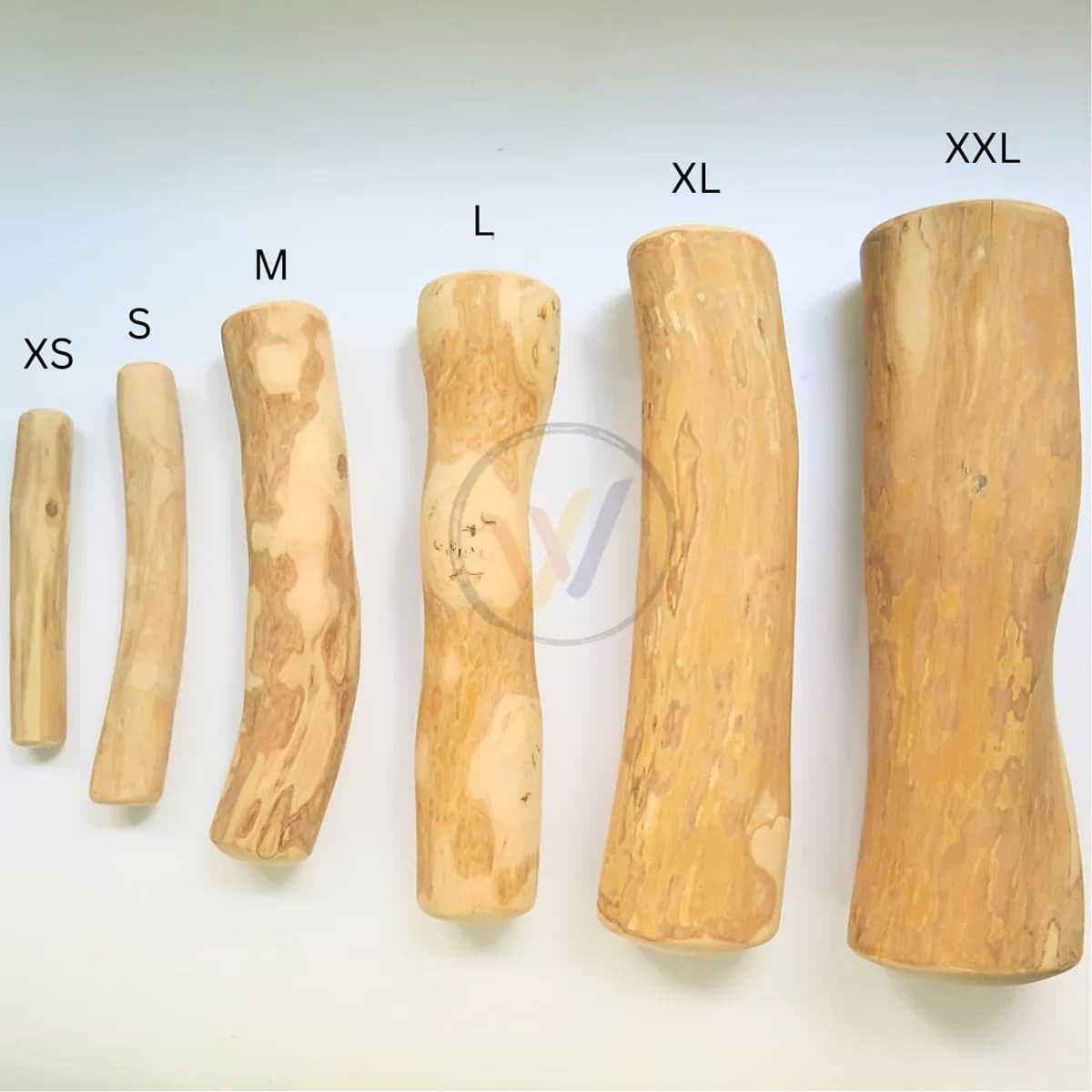
Here is what traceability actually breaks down into, and what level is realistic for an aggregated agricultural raw material like coffee wood.
The levels of traceability, honestly stated
Country of manufacture. The lowest bar, and the one every product meets by default through customs documentation. Not really a claim worth making on its own.
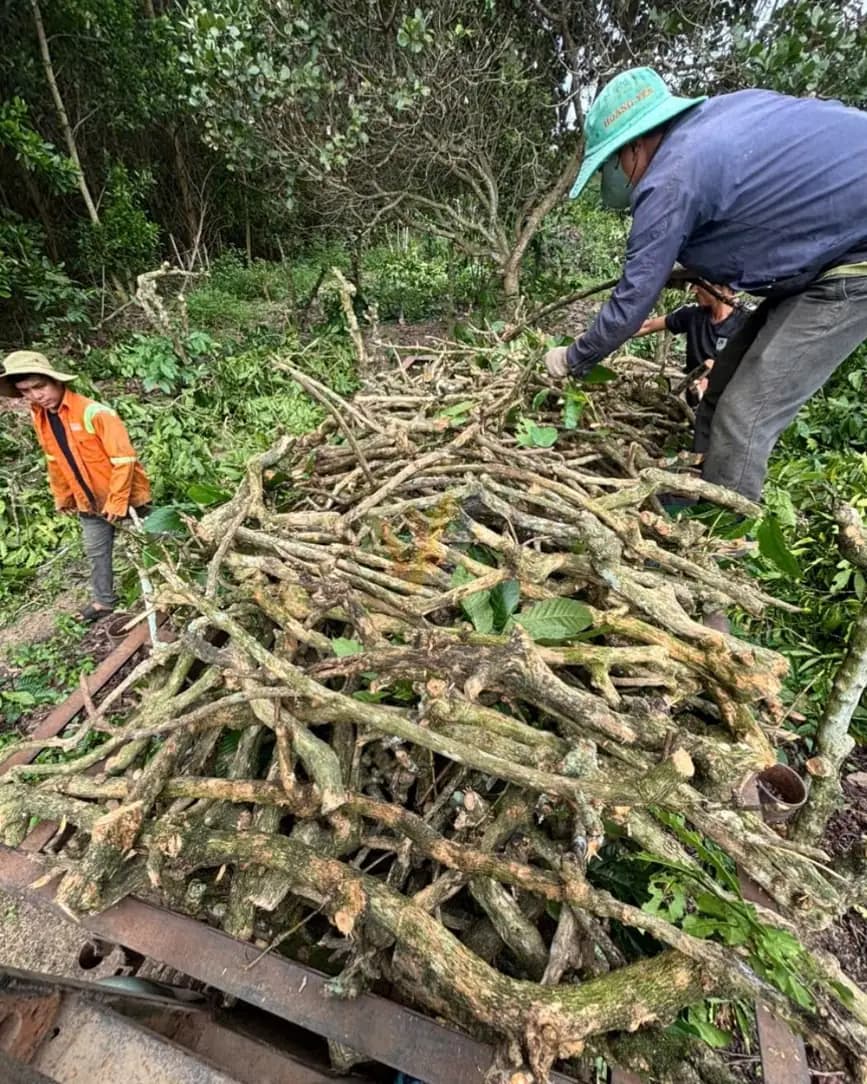
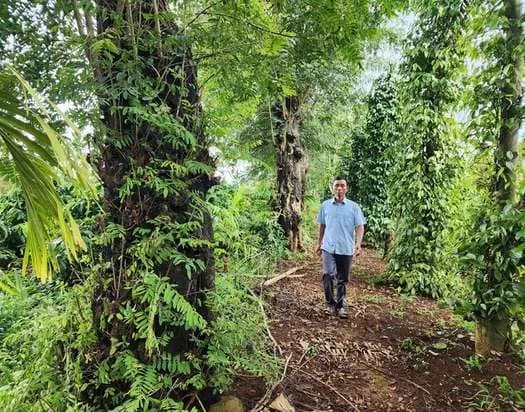
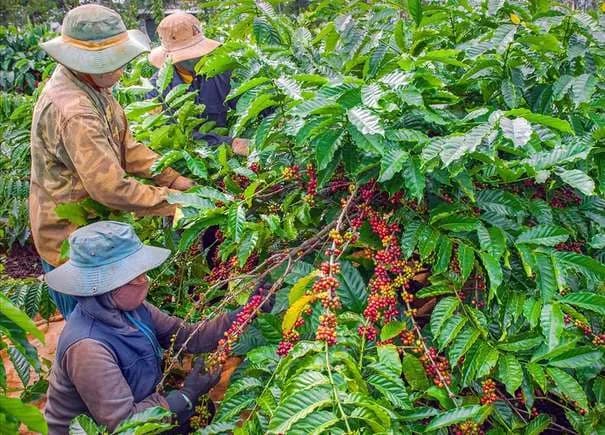
Region or province of origin. For coffee wood, this means naming Gia Lai or Đắk Lắk — the Central Highlands provinces where the source coffee farms are — and being able to say which province and which season a given batch came from. This is verifiable in the sense that it reflects a real, checkable sourcing relationship, though it is aggregated rather than farm-specific.
Farm-level traceability. The highest bar, meaning a specific batch can be traced to a specific named farm. This is achievable for some supply chains — typically ones with a small number of contracted growers and batch-level segregation built in from the start. It is not what most aggregated commodity supply chains, including this one, can honestly claim: material is bought and aggregated from multiple replanting farms before it reaches processing, and claiming farm-level precision we do not have would be a worse position than stating the real limit clearly.
Chain-of-custody documentation. Distinct from geographic traceability — this is about whether the material's movement through processing, treatment and packing is documented and auditable, regardless of how precisely its origin is known. Test reports, phytosanitary certificates and production records all sit here.
Why the honest limit matters more than the impressive claim
A retailer or brand repeating a supplier's traceability claim to their own customers is exposed if that claim does not hold up to a follow-up question. "Which farm did this come from?" is a reasonable question from an engaged customer, and "we don't have that — here's what we do know" is a far more durable answer than a claim that collapses under one more question. The full reasoning behind this is in our supply chain article: province-level honesty, stated plainly, holds up better than an implied precision the supply chain doesn't actually have.
What a buyer should ask a supplier to specify
Rather than accepting "traceable" as a claim, ask for the specific level:
- What geographic precision can you actually document — country, province, or farm — and can you show how that information is captured?
- What changes batch to batch, and what stays constant? Province and season might be knowable per batch even when the exact farm is not.
- What chain-of-custody documentation exists independent of geographic origin — test reports, certificates, inspection records — and can it be tied to the specific shipment, not just the product line generally?
- Will you put the actual level of traceability in writing, rather than the word "traceable" alone?
What we can document for coffee wood
Province and season of origin for a given batch; the processing steps the material passes through and where; test reports for caffeine and general toxicity; and the phytosanitary and fumigation certificates required for the destination market. We do not claim single-farm traceability, because the material is aggregated before it reaches us, and we would rather state that limit than have a customer discover it.
If your customers or compliance team need documentation at a specific level, request a quote and tell us what you need to show — we will tell you plainly what we can and cannot document.