Common Quality Problems That Cause Negative Pet Product Reviews
Most one-star reviews on natural pet chews trace back to one of five preventable issues — and most of them are cheaper to fix at the factory than to manage in customer service.
By WINVN · · 4 min read
Negative reviews on natural pet chews tend to cluster around a small number of recurring causes, and almost all of them are manufacturing or expectation-setting issues that were cheaper to prevent than to resolve after the fact. Here are the five we see most often, and where each one is actually caused.
1. Size inconsistency
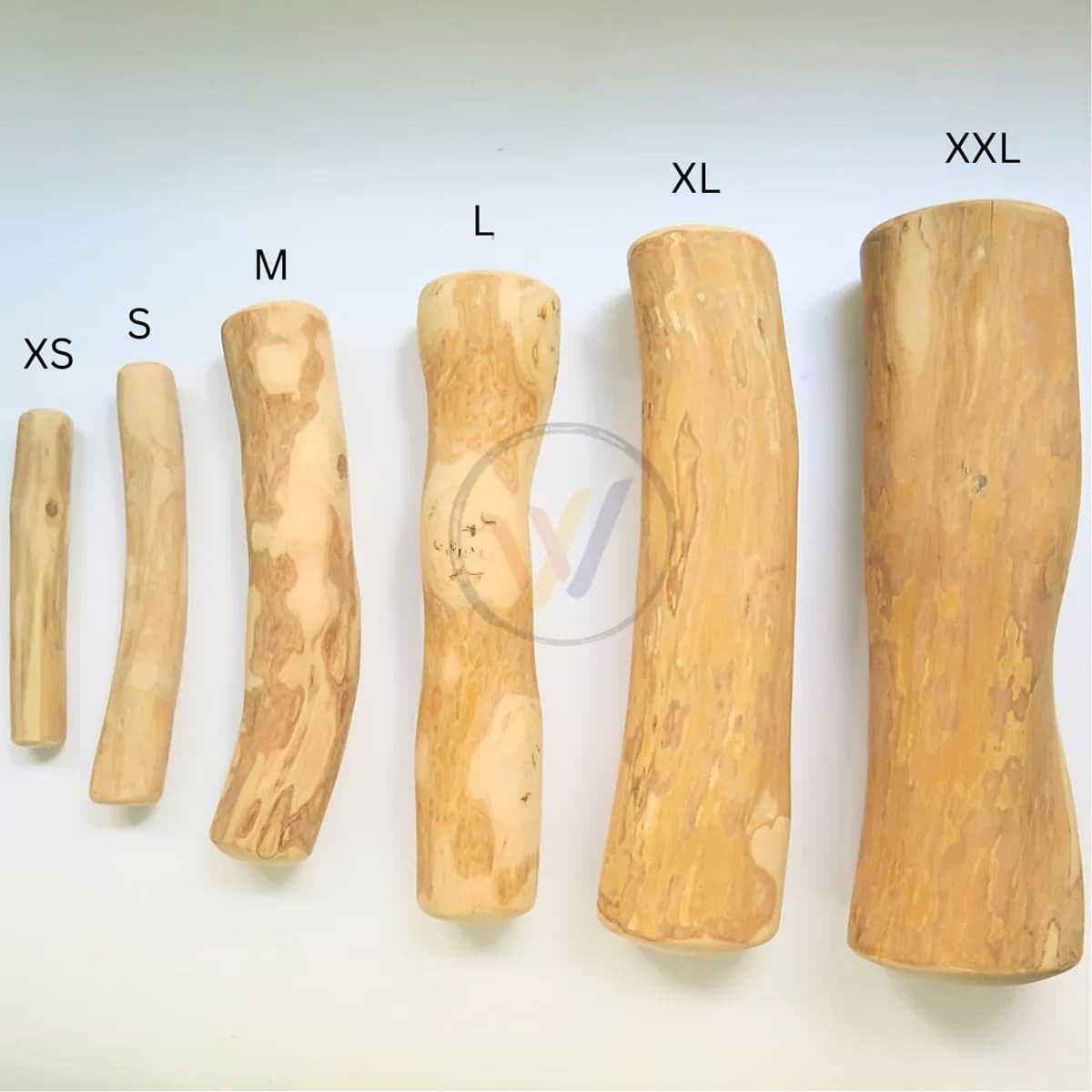
The complaint reads "too small" or "not what I expected" against a listed size. The cause is usually a sorting problem, not a manufacturing one: natural wood tapers and bends, so a piece cut to one size band can measure closer to the next band at one end. If sizing is not sorted as a distinct step after cutting, mislabelled pieces reach the customer.
Where it's actually fixed: at the factory, with a dedicated size-sort step and a checked tolerance — not by tightening the listing description, which does not change what ships.
2. Perceived "low quality" from natural variation
A customer expects a uniform, identical product — because most manufactured goods are — and receives a natural item where color, grain and exact shape vary piece to piece. That variation is not a defect in a genuine natural product; it is what natural material looks like. But an unprepared customer reads it as inconsistency and leaves a review accordingly.
Where it's actually fixed: in the listing copy, for free. A customer told "each piece is naturally unique — no two are identical" does not leave the same review as one who was told nothing. This is the cheapest fix on this list and the most commonly skipped.
3. Moisture and mould
Under-dried wood can develop surface mould inside a sealed container weeks after it ships, and by the time a customer opens it, the batch is already made — there is no fixing it at that point, only refunding it. This is one of the more damaging problems on this list because it looks, to a customer, like the product was already bad before it was packed.
Where it's actually fixed: moisture control at multiple stages during processing, checked with a meter reading rather than judged by feel, and confirmed before the batch is packed, not after a complaint arrives.
4. Packaging damage in transit
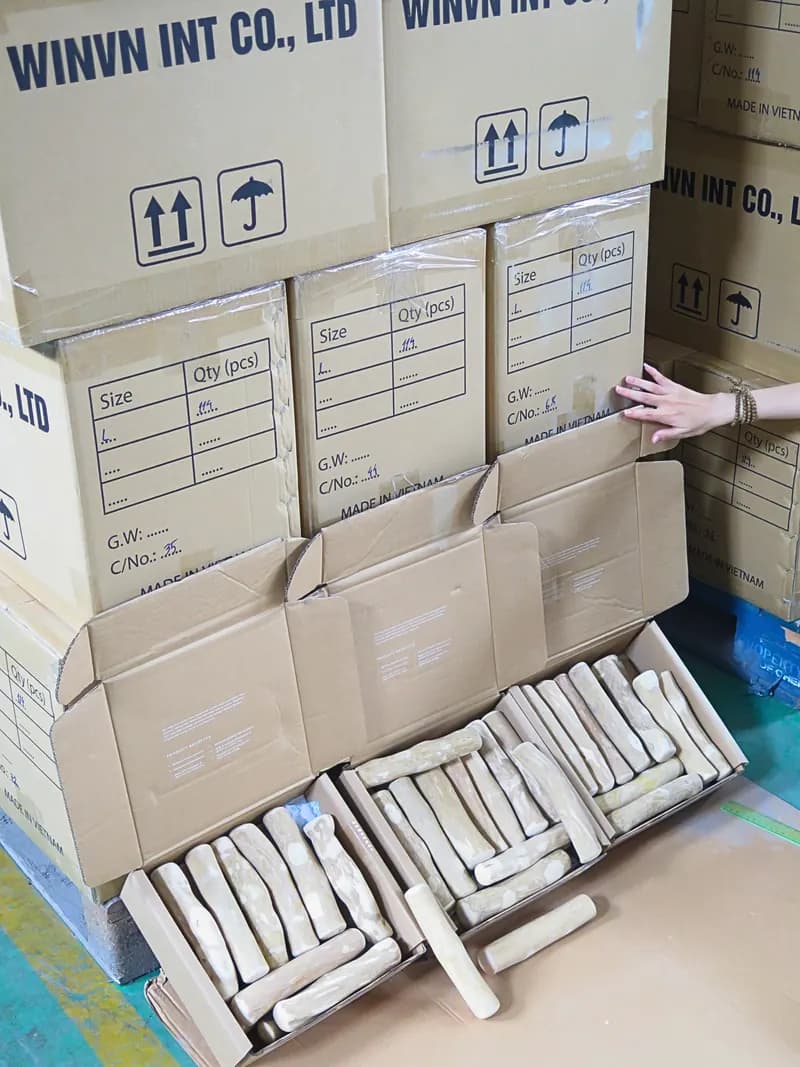
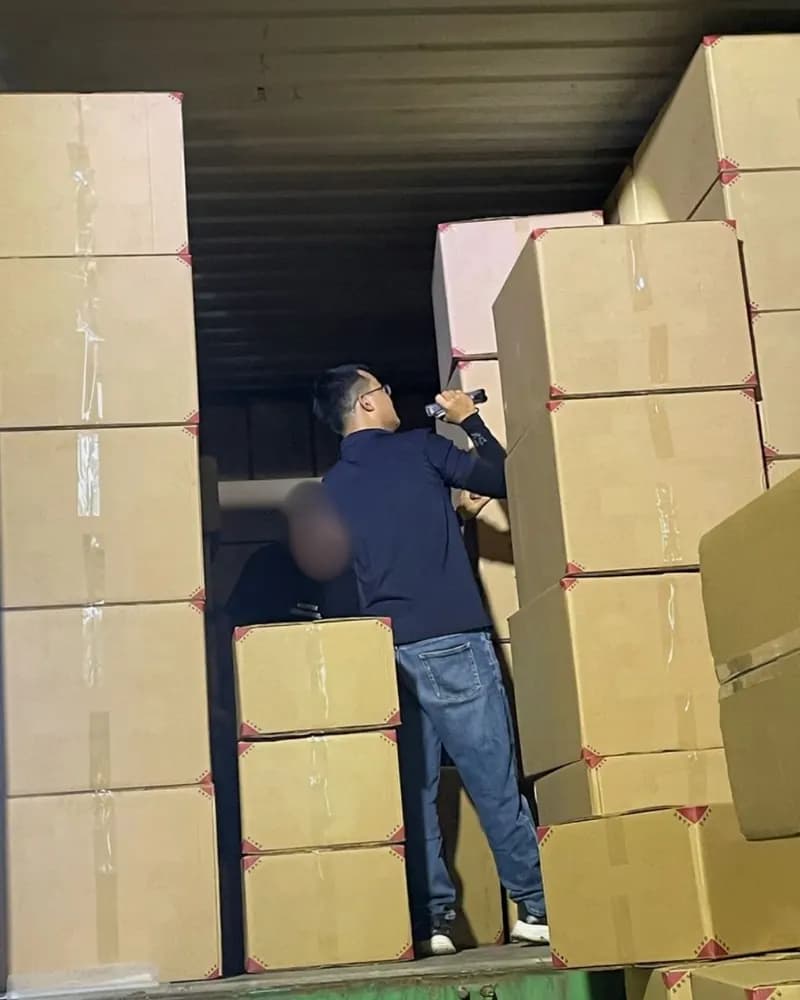
A perfectly good product arrives in a crushed, torn or opened box, and the review is about the product even though the packaging is what failed. This is usually a specification gap — carton strength, inner packing, or fulfilment-centre handling requirements not accounted for before shipment.
Where it's actually fixed: at the packaging spec stage, before production — confirming carton strength and inner packing against the actual shipping and fulfilment method, covered in more detail in Amazon-ready packaging.
5. Missing or unclear safety information
A customer unfamiliar with the product category — coffee wood in particular — may not know it is safe, does not splinter the way garden wood does, and contains no caffeine, and a review reads as uncertainty or an unfounded safety concern rather than an actual product defect. The background on why coffee wood behaves this way is in our safety article.
Where it's actually fixed: in the listing and packaging, with a clear, honest description of the material and appropriate supervision guidance — not by leaving the customer to guess.
The pattern across all five
None of these are fixed by responding well to reviews after they are posted, though a good response helps. All five are fixed earlier: at the material and moisture stage, at the size-sort stage, at the packaging-spec stage, or in the listing copy itself. The common thread is that quality control and honest expectation-setting are cheaper at every point before the sale than after it.
Building this into your sourcing
Ask a supplier directly which of these five they check for, and at which stage — the specific questions worth asking are laid out in questions to ask a coffee wood supplier. A supplier that can answer with named stages and checked tolerances, rather than a general assurance of quality, is the one whose product will generate fewer of these reviews in the first place.
If you are seeing a pattern in your own reviews and want to trace it back to a manufacturing cause, request a quote and describe what you're seeing — we can usually tell you which stage to look at.