Boost Your Pet Store's AOV with Bundle and Gift Boxes
A single chew wins the click and rarely the margin. The arithmetic behind why multi-item boxes lift average order value, and how to spec one without inflating MOQ.
By WINVN · · 3 min read
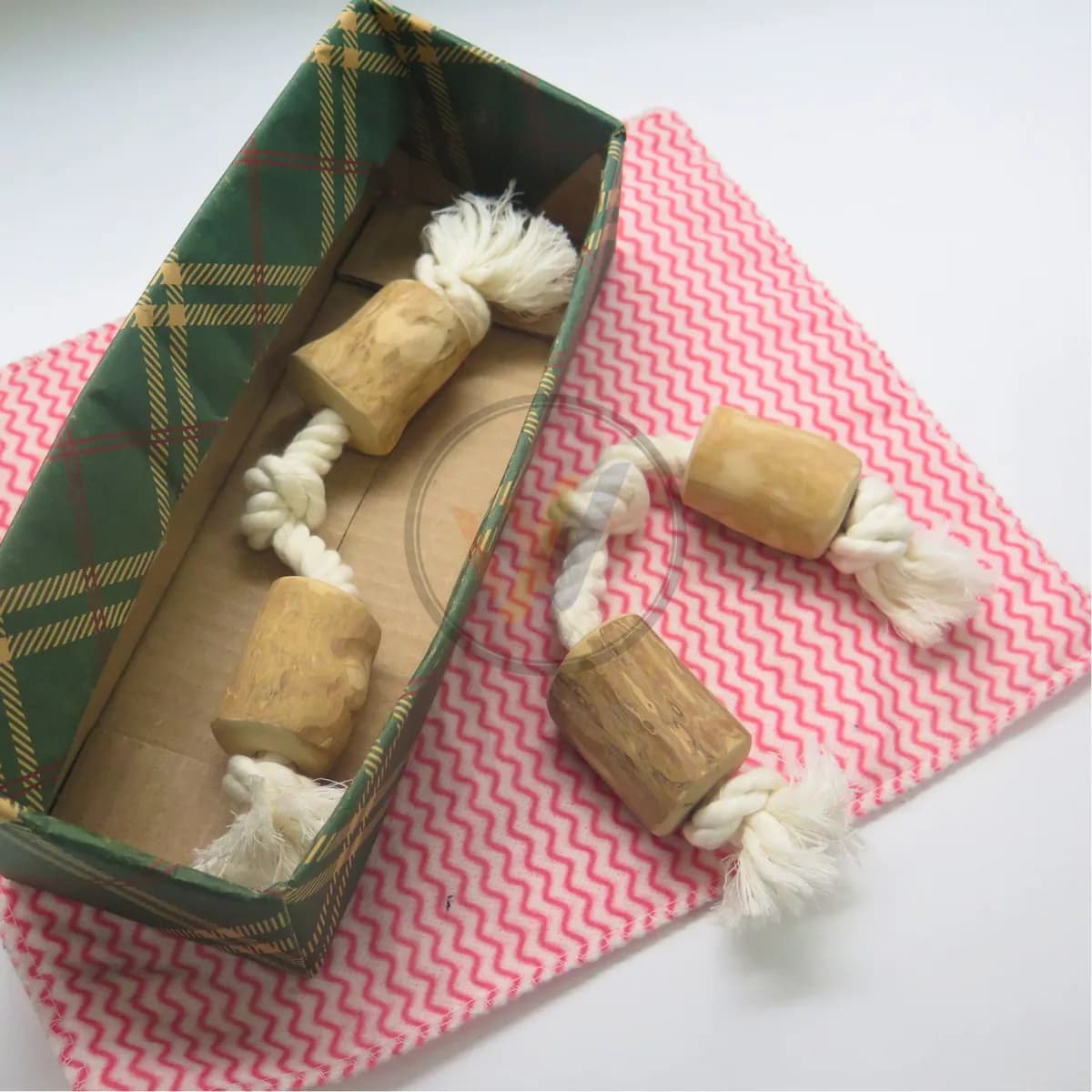
A single dog chew is a good product for getting a customer to click and a poor one for making money on the sale. Once referral fees, fulfilment fees and advertising cost are subtracted, a low-priced single-item SKU often nets close to nothing. This is the arithmetic that pushes sellers toward bundle and gift boxes, and it is worth understanding rather than just copying.
Why the fee structure favors bundles
Marketplace fulfilment fees are driven more by package dimensions than by item value, and referral fees are a percentage, so they scale with price. Put those together and a higher-priced multi-item box carries the same fixed fee burden far more comfortably than a low-priced single item does. A $8 chew and a $22 gift box built around three or four items can carry near-identical fulfilment costs, but the box keeps a much larger share of its price as margin.
This is also why "just raise the price of the single item" does not solve the same problem — customers have a strong sense of what a single chew should cost, and a mismatched price simply loses the sale. A bundle resets that comparison entirely, because there is no obvious single-item price to compare it against.
What actually goes in a bundle
The boxes that perform best tend to combine, rather than duplicate:
Mixed materials. Coffee wood alongside coconut fiber or hemp gives a customer variety and gives the seller a differentiated SKU that is hard to price-compare directly against a competitor's single-material listing.
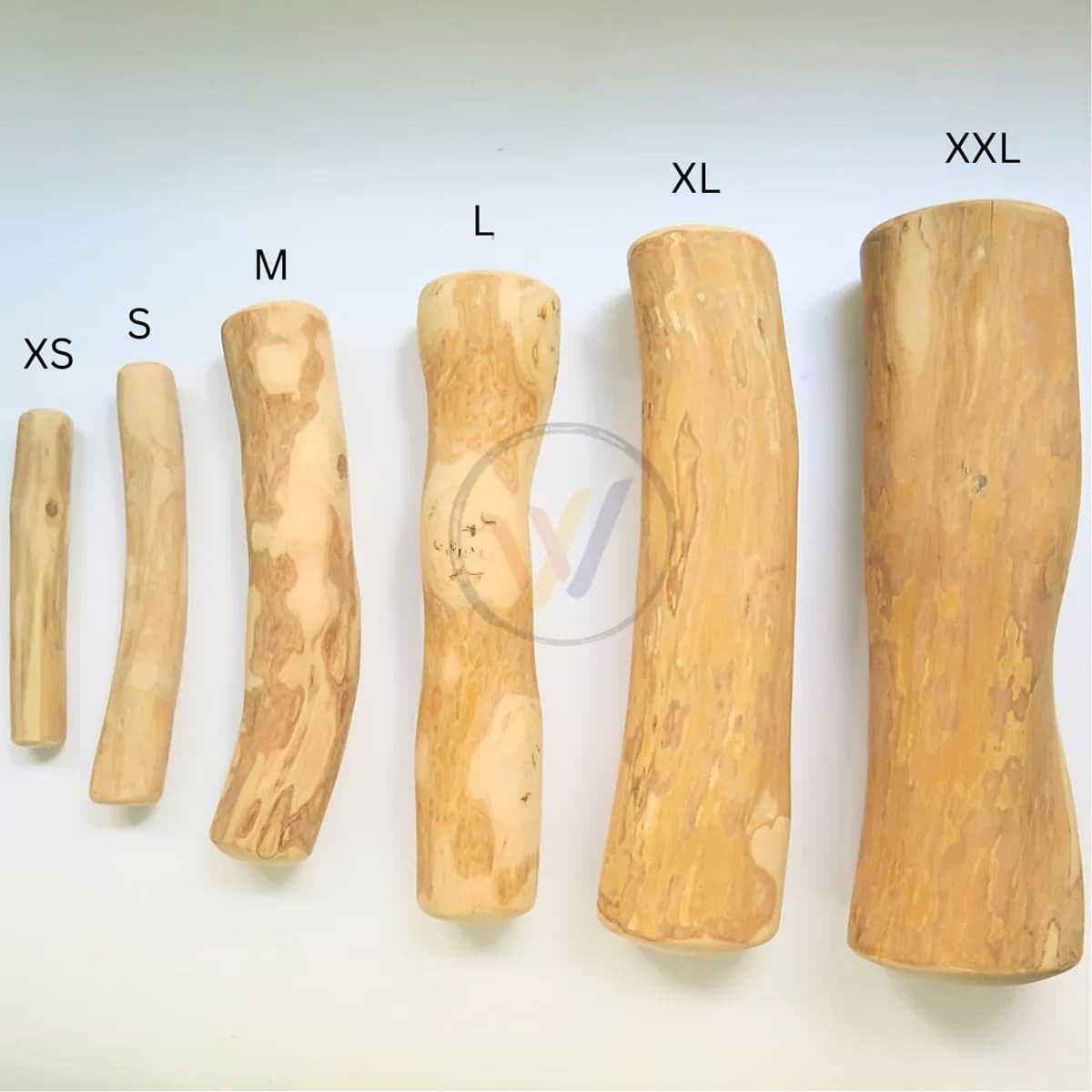
A range of formats, not just sizes. A chew, a rope toy and a smaller treat-style item read as a considered selection rather than three of the same thing in a box.
A genuine gift or seasonal framing, where the category supports it — new-puppy boxes, holiday boxes, and starter boxes for a first-time owner all give a customer a reason to buy the bundle over the individual pieces, beyond price.
Specifying one without inflating your MOQ
Bundling does not have to mean a separate, high-minimum production run. Ask a supplier specifically:
- Can components already in production be combined into a box at the packing stage, rather than requiring a dedicated bundle-specific run?
- What is the box's own minimum, separate from the product minimums inside it?
- Can a stock kraft or gift box carry a printed label for a first run, rather than committing to fully custom tooling before you know the bundle sells? The same logic applies here as in low-MOQ sourcing generally.
The size-tier trap, again
Bundle boxes are exactly where marketplace size-tier fees bite hardest, because a box a few millimetres over a dimension boundary pays the next tier's fee on every unit sold, indefinitely. This is covered in more depth in Amazon-ready packaging, but it is worth repeating here: check your bundle's exact packed dimensions against current size tiers before committing to box tooling, not after.
Setting expectations, not just economics
A bundle sold on economics alone still needs to survive contact with a real customer. If the box mixes natural, variable-texture materials, say so in the listing — a customer who expects identical, uniform pieces and unpacks visibly different ones is a return or a bad review, and it costs nothing to prevent by describing the variation upfront.
Where to start
If you want a bundle built from products you already sell, or a suggested mix for a range you are launching, request samples and tell us your price point and channel — we will suggest a combination and the packaging that fits it.