When to Add a Second SKU: A Margin Framework
Expanding a pet chew line the wrong way ties up capital in slow-moving inventory. A framework for deciding which second SKU actually earns its shelf space.
By WINVN · · 3 min read
A first product that sells creates an obvious temptation: add a second one, and a third, on the assumption that a proven brand and a proven customer base will carry a wider range. Some of the time this works. A meaningful amount of the time it produces a warehouse of a second SKU that moves at a third the rate of the first, tying up capital that the original product could have generated faster if it had simply been restocked instead.
The difference between those two outcomes is rarely the product choice itself — it is whether the decision was made against a margin framework or against enthusiasm.
The questions that should come before the product choice
Is the first SKU actually capacity-constrained, or just popular? If your best-selling product is not sold out and is not turning away demand, a second SKU is not solving a real constraint — it is a bet that a new product will find new demand, which is a different and riskier bet than restocking a proven one.
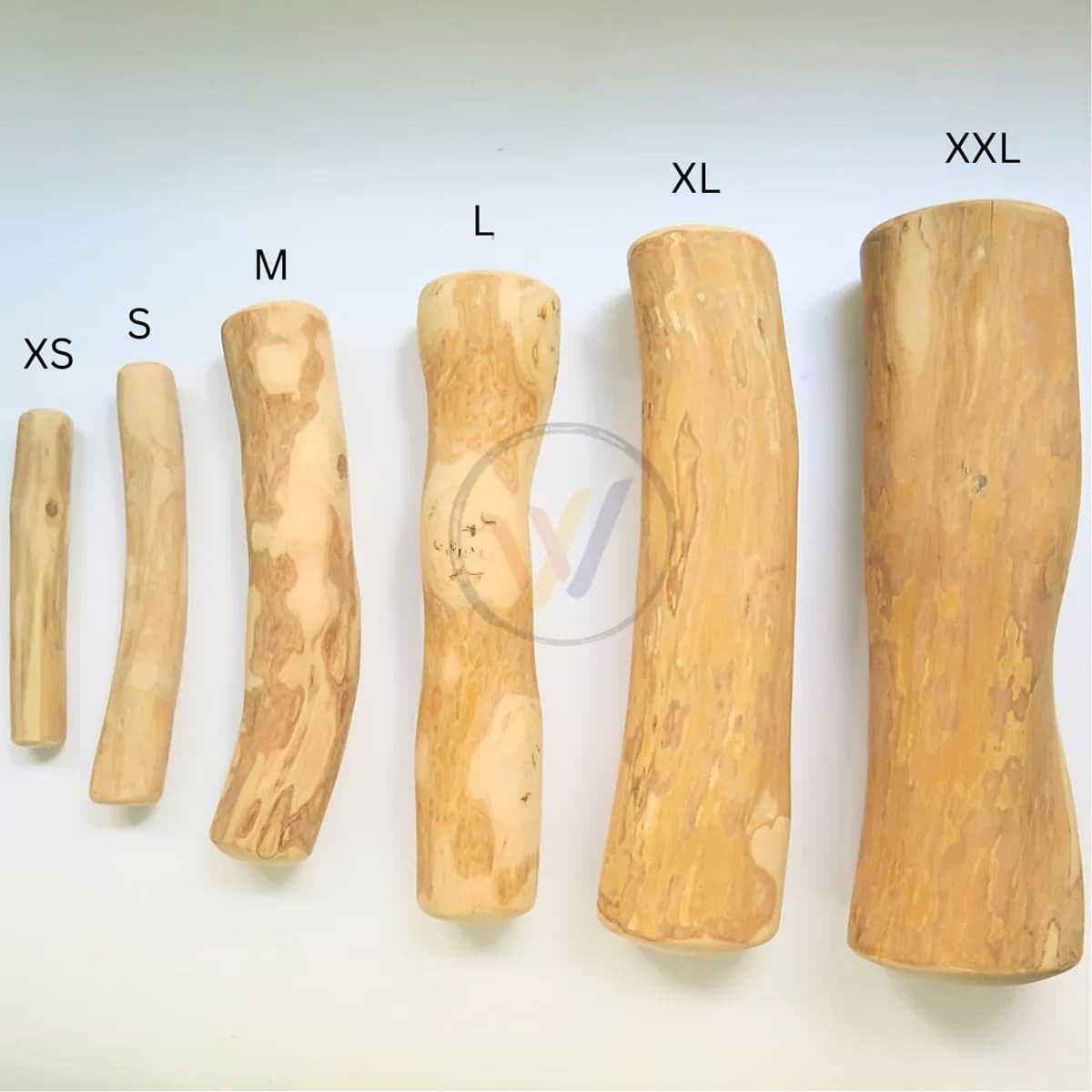
Does the second SKU serve a different customer, or the same customer buying more? A second size band of the same product usually serves the same customer more efficiently — lower risk, since the demand signal already exists. A different material line or product category is a bet on a new customer segment, which needs its own validation, not an assumption borrowed from the first product's success.
What does the second SKU do to your average inventory turn? Blend the expected turn rate of the new SKU with your existing one. If a slower-moving second SKU pulls your blended turn rate down significantly, it is diluting the efficiency of a working supply chain, not adding to it — even if it eventually sells through.
Can it share packaging, minimums or a production slot with the first? A second SKU that requires an entirely separate packaging run, a separate MOQ, and a separate production slot carries a much higher fixed cost per unit of new revenue than one that shares tooling, box stock or a production line with the first. This is where sharing a factory relationship pays off directly — ask what can be produced alongside your existing order rather than as a fully separate run.
A simple sequencing rule
Expand within a material family before expanding across one. A second size band or a bundle format of your existing best-seller is the lowest-risk expansion, because the demand signal is already proven. A new material line — moving from coffee wood into hemp or loofah, for example — is a higher-risk, higher-upside move that deserves its own small trial order rather than a full production commitment, exactly the same discipline as a first product launch.
What a trial-sized second SKU should look like
Small enough that a wrong bet is inexpensive to unwind. Ordered in a mixed batch alongside your standing reorder of the proven product, so it does not require a separate minimum or a separate shipment. Tested against real customers or a limited channel before being added to the full catalogue or the full retail range.
Where to start
If you are deciding what to add next and want a recommendation based on where the actual capacity constraint is — rather than which product looks appealing — get a product recommendation and tell us your current best-seller and target channel. We will suggest what shares tooling and production capacity with what you already run, and flag what does not.