Low-MOQ Sourcing: Launching a Pet Brand Without Burning Your Capital
Why minimum order quantities are set where they are, which ones are negotiable, and how to structure a first order that survives being wrong.
By WINVN · · 3 min read
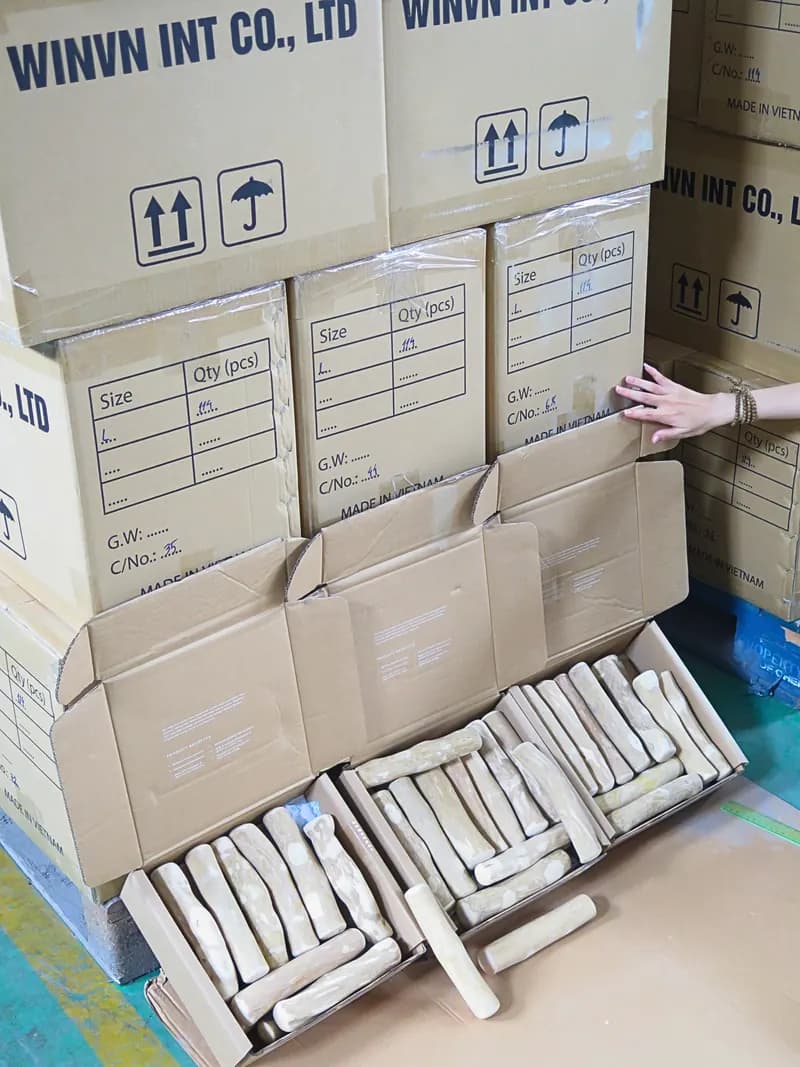
Most first-time pet brand founders hit the same wall: they find a product they like, ask for a quote, and get told the minimum is 5,000 pieces. At that point the project either stops or becomes a much larger financial commitment than intended.
It is worth understanding why that number exists, because it tells you which parts of it you can move.
Where an MOQ actually comes from
An MOQ is rarely one number. It is usually three, stacked:
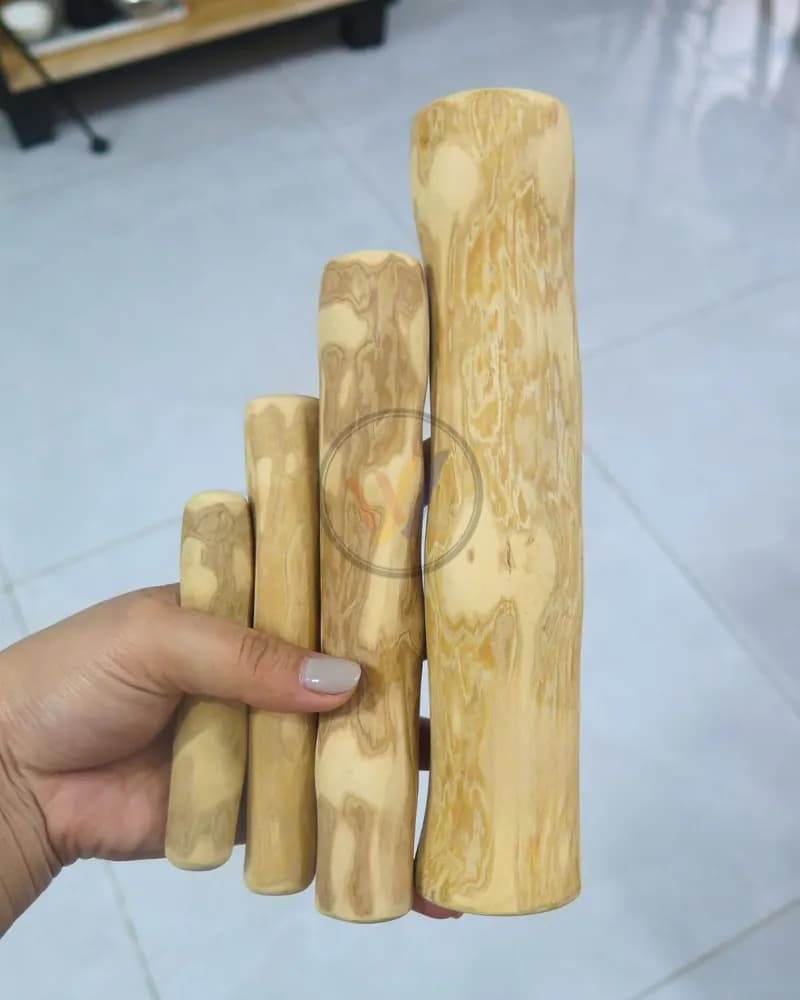
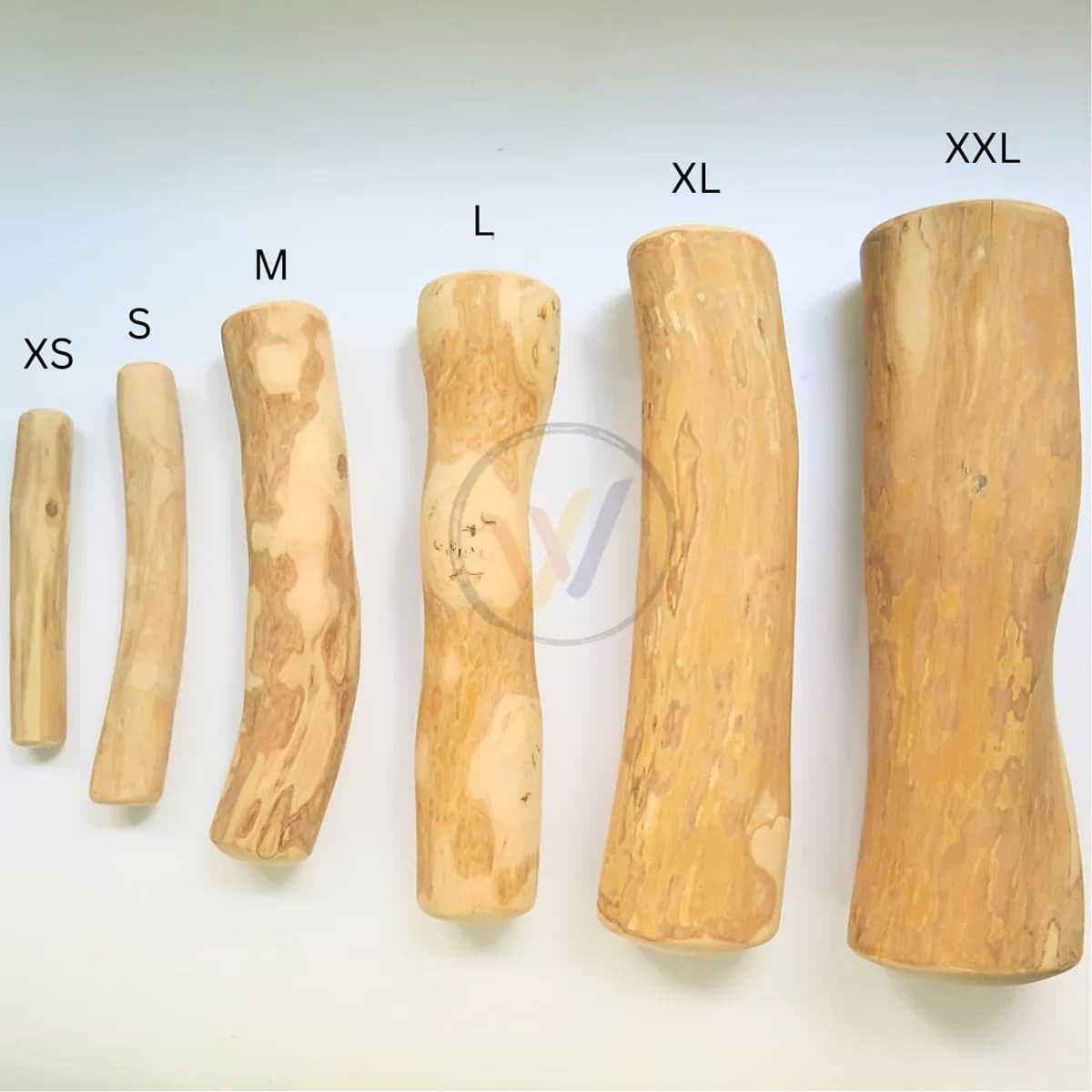
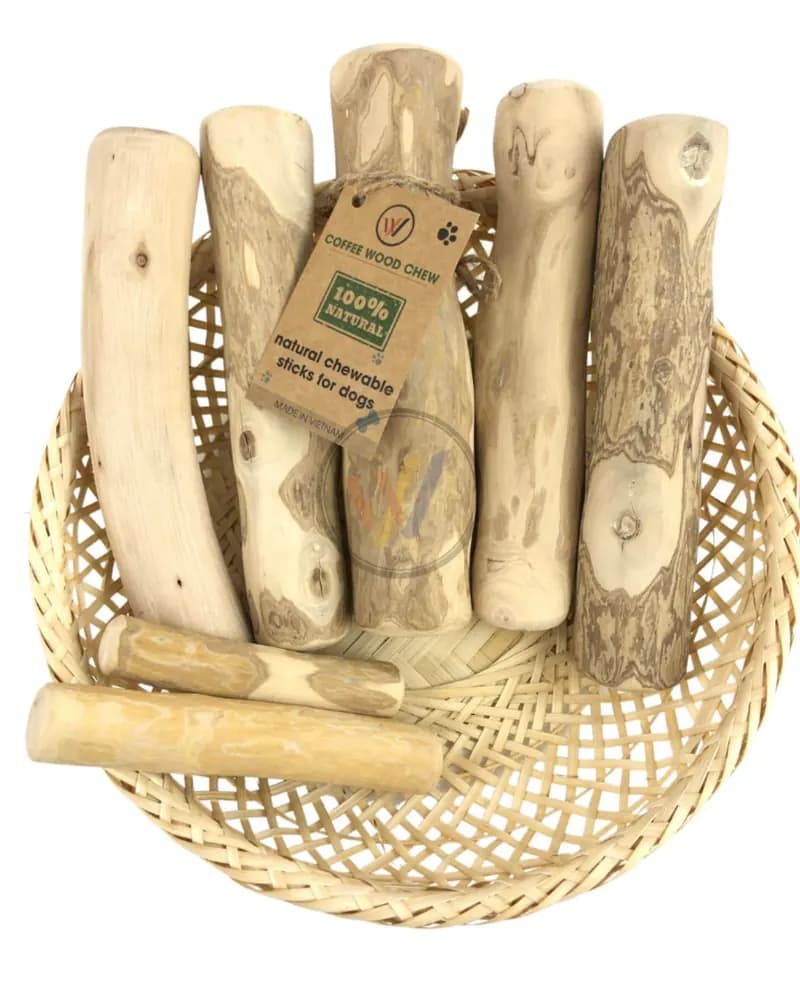
The product minimum. For a machine-cut natural product this is often low — the setup cost is a changeover, not a mould. Our coffee wood chews start at 50 pieces for this reason.
The packaging minimum. This is the one that bites. A printing run costs roughly the same to set up whether you order 500 boxes or 5,000, so printers quote minimums in the thousands. If a supplier quotes you 5,000 pieces, there is a good chance they are quoting you the printer's minimum with the product wrapped around it.
The shipping minimum. Not a minimum exactly, but the same effect. A 50-piece order shipped by express costs more per unit in freight than the goods themselves. That is not a reason to order 5,000; it is a reason to be clear-eyed about landed cost on a test order.
Once you separate these, the conversation changes. You are no longer asking "can you lower your MOQ" — you are asking "can we use stock packaging with a printed label for the first run". That is a question a factory can say yes to.
What a sensible first order looks like
Small enough that being wrong is survivable. The purpose of a first order is not to make money. It is to find out whether your product, price and positioning work. Structure it so a complete failure costs you a manageable amount.
Mixed rather than deep. Three products at modest quantities tells you more than one product at three times the volume. You are buying information, and variety produces more of it.
Real packaging, cheap execution. A stock kraft box with a well-designed printed label looks considerably better than a badly-designed custom box, and it costs a fraction. Customers do not know what your packaging could have been.
Photographed properly. This is where first-time brands most often under-invest, and it is the single thing that most affects conversion. If your supplier includes product photography with production orders, use it.
The sequence that tends to work
- Product recommendation — before you choose, tell a supplier your market, channel and price point and ask what they would suggest. A supplier who recommends the same thing to everyone is not paying attention.
- Samples — hold the products. Show them to people who own dogs. This step catches more mistakes than any other and costs the least.
- Trial order — small, mixed, real packaging. Put it in front of actual customers.
- Private-label launch — now that you know what sells, commit to branded packaging for the products that earned it.
- Scale — with data, and with better pricing because you can now forecast honestly.
Most founders want to skip to step four. The ones who do usually end up with a warehouse full of the wrong size.
Questions worth asking a supplier
- What is the product minimum separately from the packaging minimum?
- Can we use stock packaging with a printed label for a first run?
- Is product photography included with production orders, or quoted separately?
- What documents will our destination country require, and who prepares them?
- Can we see a physical sample before committing to production?
The last one is not negotiable. If a supplier wants a production commitment before you have held the product, walk away.
Where to start
If you have a market in mind but are not sure which product fits it, answer six questions and we will come back with a suggested mix and a starting size split — with reasoning, not just a product list.