When a Cheaper Pet Chew Supplier Costs You More
Unit price is one line in a margin calculation. FBA fees, return rates and chargebacks are the lines that decide whether a cheaper supplier is actually cheaper.
By WINVN · · 3 min read
A lower unit price is the easiest number to compare across supplier quotes, which is exactly why it gets weighted more heavily than it should. Contribution margin — what is actually left after fees, ads, returns and rework — is the number that decides whether a supplier switch made a listing more profitable or just moved the cost somewhere less visible.
The line items a unit-price comparison leaves out
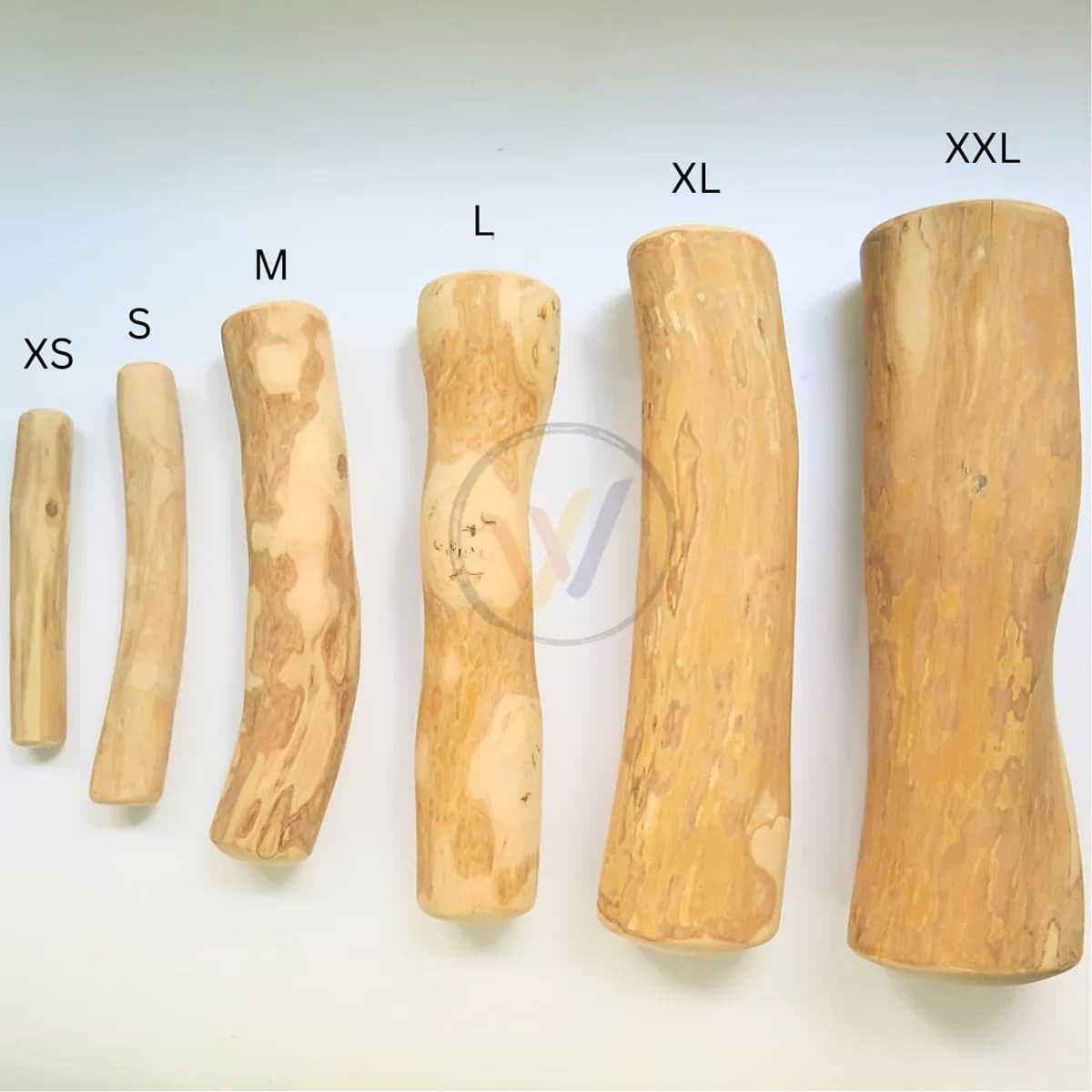
Return and replacement rate. A chew that splinters, breaks unevenly, or varies in size from the listing photo generates returns at a rate that a slightly higher unit price rarely does. Every return costs the FBA return-processing fee, the lost sale, and often a chargeback if the return was quality-related rather than buyer's-remorse. A 3% higher defect rate can erase a per-unit saving many times over once returns are counted.
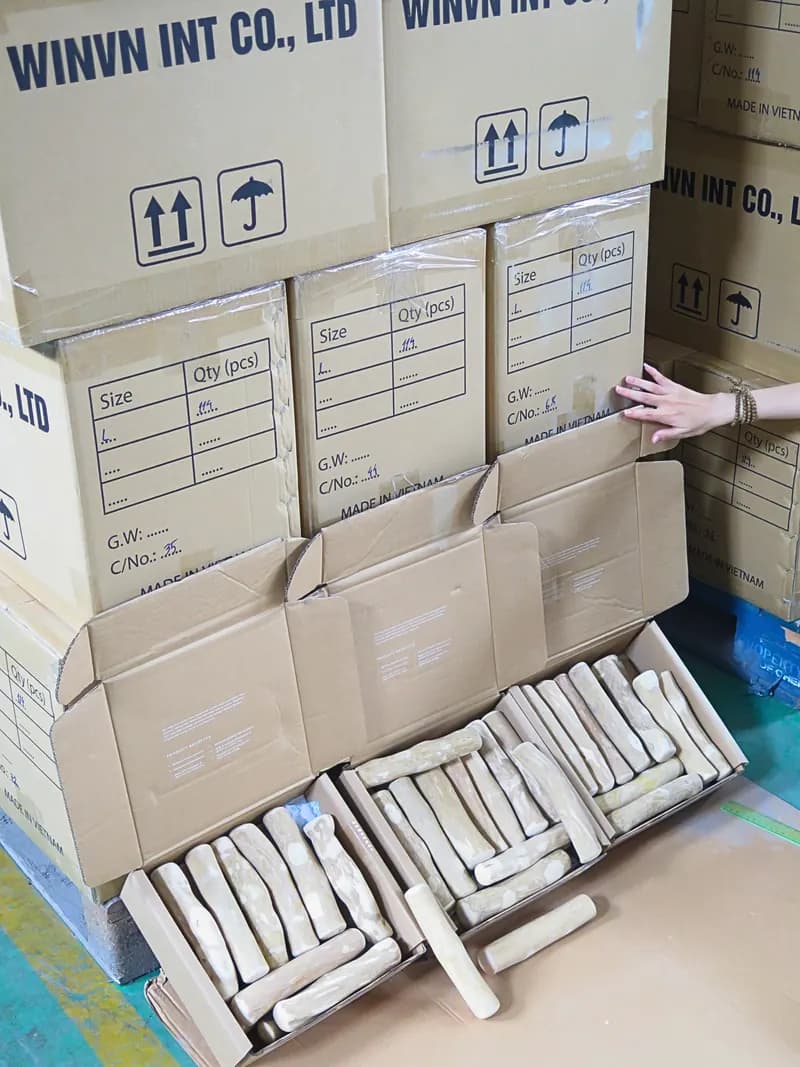
Chargebacks for packaging that fails FBA prep. Carton dimensions that miss FBA's specification, missing suffocation warning labels, or a barcode that scans incorrectly all generate prep-service fees or chargebacks that do not show up on the factory invoice — they show up weeks later on the Amazon settlement report, disconnected from the purchase order that caused them.
Review-driven ranking loss. A batch inconsistency that generates a run of one- and two-star reviews does not just cost the returns on that batch — it suppresses ranking on every unit sold afterward, for months, until enough new reviews dilute the damage. This cost is real and is almost never assigned back to the sourcing decision that caused it, which is why it is so easy to miss in a unit-price comparison.
Rework and relabeling. If FNSKU labels or carton marks were not specified before production, a factory that produced to its default packaging forces a relabeling pass before the goods can go to FBA — a cost and a delay that a factory quoting a marginally higher unit price, but building compliant packaging in from the start, would have avoided entirely.
A simple way to actually compare two quotes
Take the unit price difference between two supplier quotes. Then estimate, even roughly, the return-rate difference you would expect based on each supplier's inspection process and sample quality — ask both suppliers directly what their inspection stages are and what defect rate they report. Multiply that return-rate difference by your average order value and FBA fee structure. If the estimated return cost exceeds the unit-price saving, the cheaper quote is not actually cheaper.
This is a rough model, not a precise one, but it forces the comparison onto the number that matters — contribution margin per unit sold, not cost per unit produced.
What a supplier quoting for Amazon sellers should already have built in
FNSKU barcode application at the factory, carton marks to FBA specification confirmed before production rather than adjusted after a chargeback, suffocation warning labels where required, and quality checked at five stages so batch variation does not reach your review section in the first place. A bundle or combo box that lifts average order value also changes the margin math directly — raising the price point the same unit cost is sold against.
Where to start
If you want a size and packaging recommendation built around your actual price point and FBA fee tier rather than a generic catalogue pick, get a product recommendation — tell us your target price and channel and we will suggest a mix with the margin math shown, not just a product list.