Private Label vs White Label Pet Chews
White label gets you to market faster. Private label protects your margin longer. Which model fits a distributor or brand deciding how to launch a chew line.
By WINVN · · 3 min read
The distinction between white label and private label gets treated as a branding question, but for a distributor or a growing pet brand it is really a speed-versus-margin decision, and the two are not the same thing to optimize for at every stage of a business.
What each actually means, precisely
White label is an existing product, with existing packaging, that you resell under your own name — usually by applying a label or a sticker to a supplier's standard item. The product formulation, the box, and often the size range are fixed by the supplier; your input is limited to the label itself.
Private label is a product built to your specification, with packaging designed around your brand from the start — your logo laser-engraved or printed on the product itself where applicable, your box design, your size mix, your barcode. The supplier's factory produces it, but the product and its presentation are yours.
Why this decision matters more for margin than it looks like it should
A white label product is easy to compare against — a customer or a competitor can often find the same base item under a different name, at a different price, because the underlying product is not differentiated beyond the label. That makes it vulnerable to being undercut on price by anyone else reselling the same base product, which is a difficult position to defend once it happens.
A private label product with its own size mix, packaging and branding is harder to price-match directly, because there is no identical item elsewhere to compare it against. That protects margin, but it costs more time upfront — packaging design, a size-mix decision, and often a slightly longer lead time than picking a supplier's existing catalogue item.
The decision, by situation
You need to be on shelf or on a listing within weeks, and margin protection can wait. White label is the faster path. Choose a supplier whose existing product quality you trust, apply your label, and treat it as a market test rather than a long-term position.
You are testing a new market or channel and do not yet know what will sell. A mixed trial order of stock packaging with a printed label — closer to white label, but negotiated as a genuine trial rather than a long-term commitment — lets you find out what moves before investing in custom packaging for the wrong size mix.
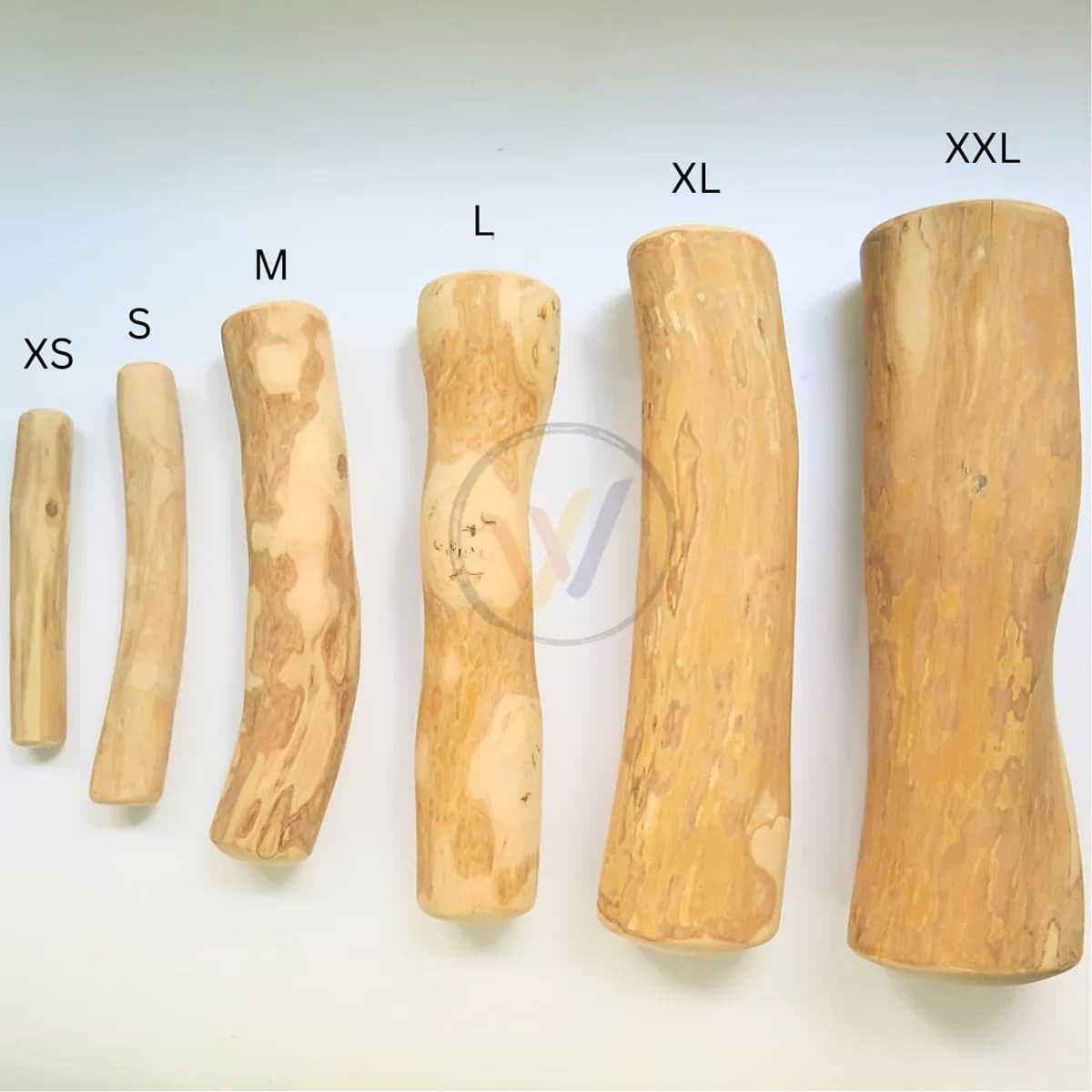
You already have proof a product sells and want to defend the margin on it. This is where private label earns its cost. Once you know coffee wood chews in a specific size range move at a specific price point in your market, custom packaging and your own branding around that proven product protects the position rather than leaving it open to anyone reselling the same base item.
You are a distributor building a house brand for retail accounts. Private label is close to non-negotiable here — a retail account carrying an unbranded or generically-labeled product cannot build shelf loyalty around it, and neither can you.
What does not have to be an either-or
A distributor can run both simultaneously: white label on fast-moving, price-sensitive lines where speed matters more than differentiation, and private label on the proven line that carries the account's actual margin. The mistake is defaulting to one model for every product without deciding deliberately which lever — speed or margin — matters more for that specific item.
What a private-label launch actually requires from a supplier
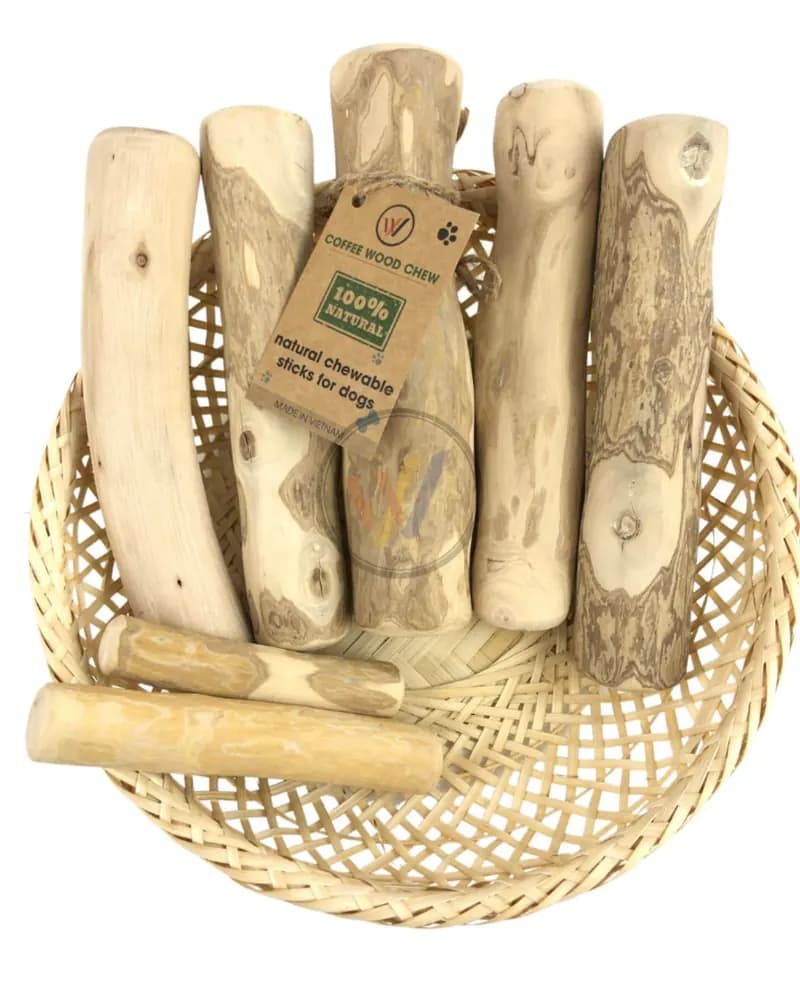
Laser logo engraving directly on coffee wood pieces, packaging and label design built from your logo rather than dropped onto a stock template, a barcode applied at the factory, and MOQ starting at 50 pieces on coffee wood chews so a first private-label run does not require a five-figure commitment before you know it sells.
Where to start
If you are deciding between the two models for a specific product line, request samples of both a stock item and a private-label mockup — seeing the actual difference in hand makes the tradeoff concrete instead of theoretical.