Common Private-Label Pet Product Mistakes — and How to Avoid Them
The recurring errors that cost new pet brands money before the first unit sells: packaging ordered before the product is finalized, no documented QC, and vague supplier questions.
By WINVN · · 3 min read
Most private-label mistakes are not made on the factory floor. They are made in the weeks before an order is placed, by a first-time brand moving faster than the information they actually have.
Here are the ones we see most often, roughly in the order they happen.
Ordering packaging before the product is finalized
Custom boxes and printed labels get ordered against a product spec that then changes — a size gets added, a color shifts, a supplier substitutes a component. The printed packaging no longer matches what ships, and it either gets scrapped or the product gets forced to match packaging that should have been the other way around.
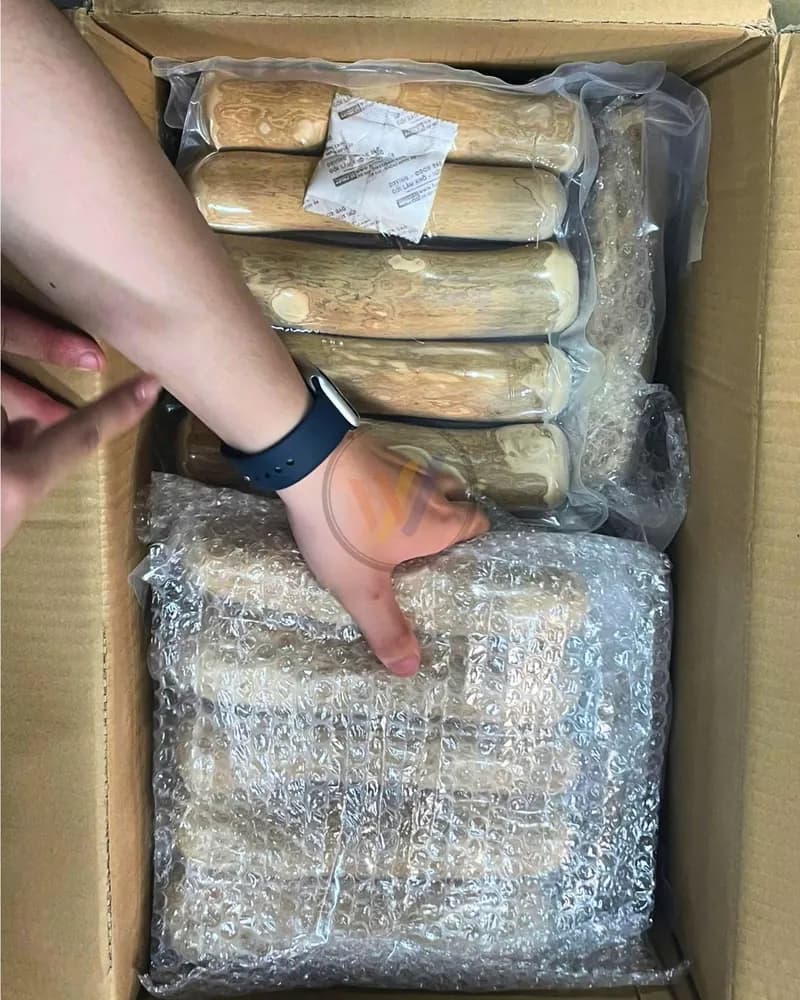
The fix is sequencing, not caution: confirm the product with a physical sample first, then commission packaging against the confirmed spec. It costs a few weeks. It is cheaper than a reprint.
Treating the product MOQ and the packaging MOQ as one number
A quote of "5,000 pieces minimum" is very often the printer's minimum for custom boxes, with the product wrapped around it. The product itself may have a far lower minimum — ours starts at 50 pieces. Brands that do not separate these two numbers either walk away from a workable order or commit to five times the volume they needed. More on structuring around this in our low-MOQ piece.
Skipping the sample stage to save time
A sample round costs a few weeks and a small fee. Skipping it to save that time and then discovering a sizing or finish problem in a 2,000-unit production run costs the entire order. This is the most expensive shortcut on this list, and the least necessary — it saves the least time relative to what it risks.
Asking suppliers general questions and accepting general answers
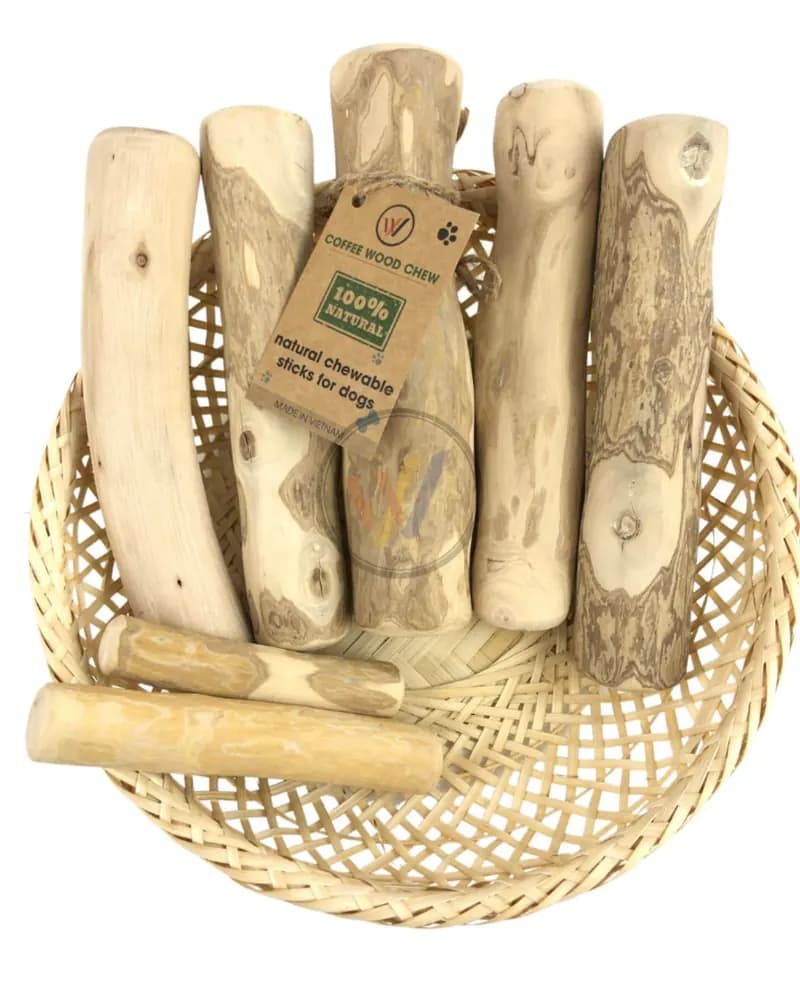
"Is your quality good?" gets answered "yes" by every supplier, regardless of whether it is true. The brands that avoid trouble ask specific, checkable questions — about moisture control stage, bark removal, documented test reports, inspection points — and notice when the answers stay vague. A longer list of exactly which questions to ask is in questions to ask a coffee wood supplier.
No documented compliance requirements for the destination market
A brand finalizes packaging and production, then discovers the destination country needs a phytosanitary certificate, a specific warning label, or a different HS classification — after the goods are made rather than before. Compliance requirements should be confirmed for the specific destination before production starts, not treated as a shipping-stage detail. Requirements also change between orders, which is worth checking every time, not just the first time.
Underestimating natural variation in the finished product
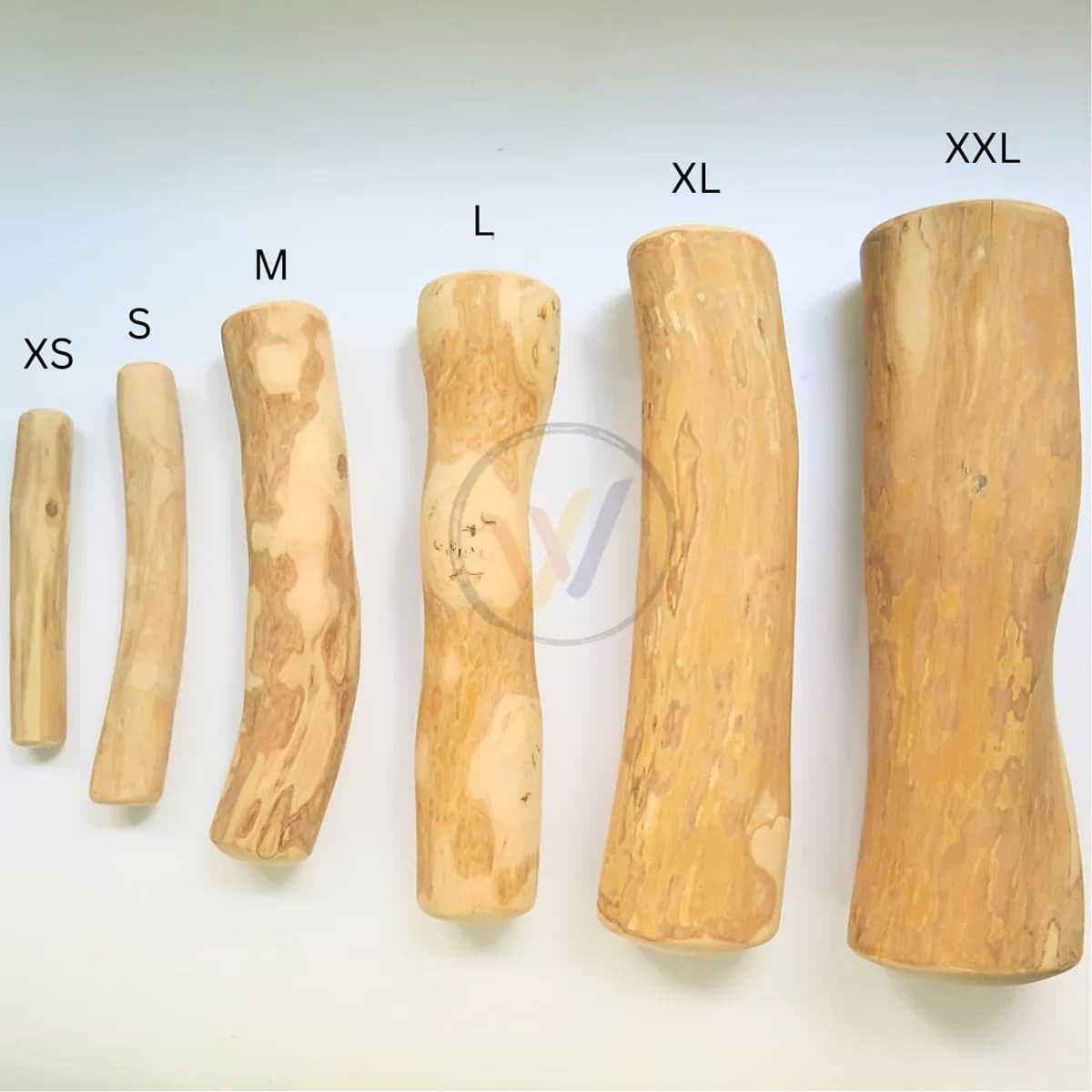
Wood grain, fiber texture and exact coloring vary piece to piece in a genuinely natural product, because the raw material varies. Brands that do not anticipate this either reject good product as "inconsistent" or — more commonly — do not mention it in their own listing copy, and then absorb complaints from customers who expected uniformity nobody promised. Setting the expectation in the product description costs nothing and prevents most of the complaints.
No plan for what happens after the first order sells
A surprising number of private-label launches plan the first order in detail and have no plan for the second — no locked-in size split, no supplier relationship beyond a single transaction, no sense of lead time for a reorder. The first order is where you learn what sells; the brands that treat it as data rather than a one-off tend to reorder faster and with less guesswork.
The pattern underneath all of these
Every mistake on this list is a sequencing error: a step taken before the information needed to take it well was actually available. The fix is almost always the same — confirm before you commit, in this order: product, then sample, then packaging, then production, then compliance documentation for the specific destination.
If you are early in this process, request a quote and tell us what stage you're at. We would rather slow down a step that is out of order than watch a first order go wrong.