Warehousing and Reorder Cycles: How Much Safety Stock a Pet Distributor Needs
Reordering on gut feel either ties up cash in excess stock or risks a gap on the shelf. A simple model for setting reorder point and safety stock on imported pet chews.
By WINVN · · 3 min read
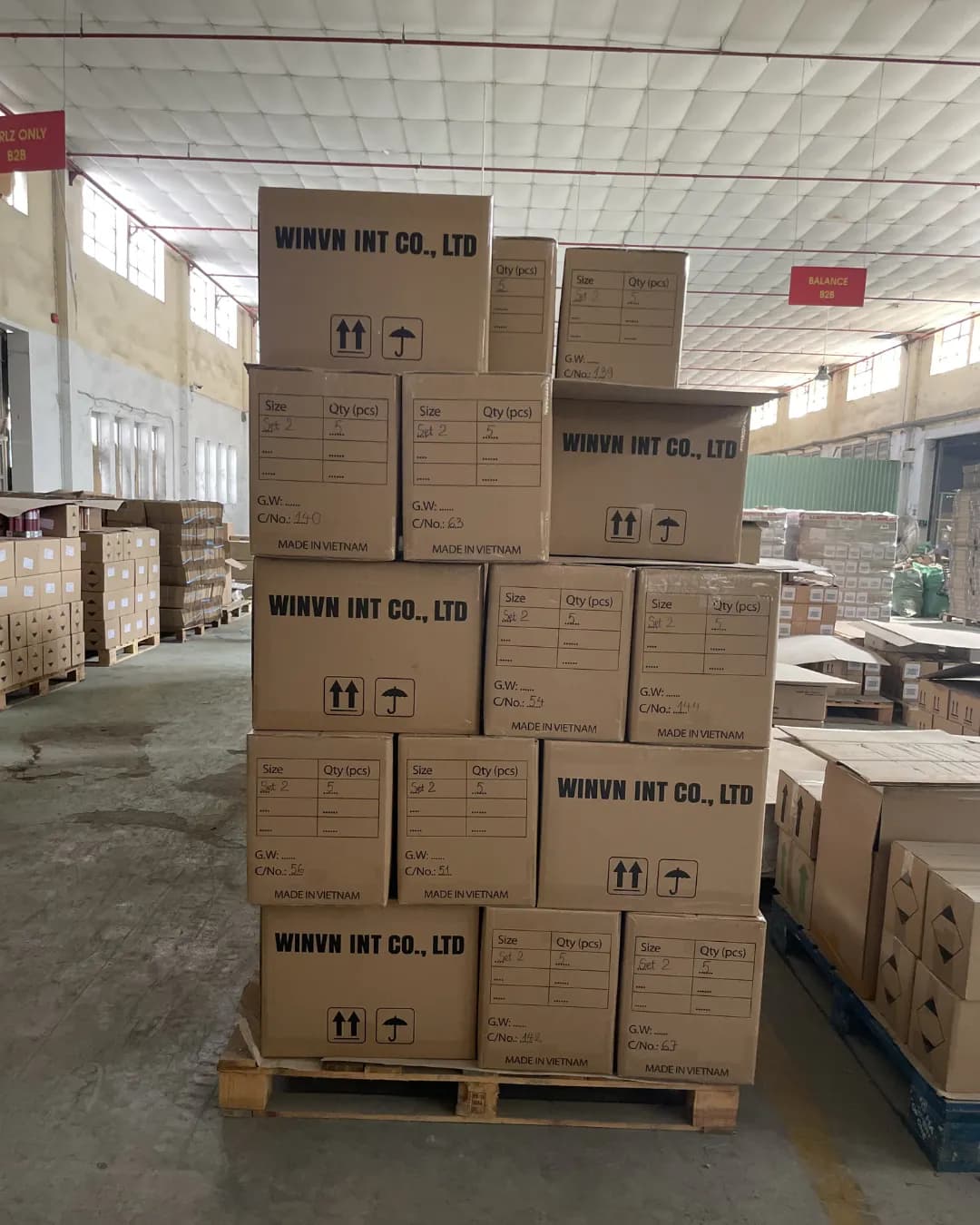
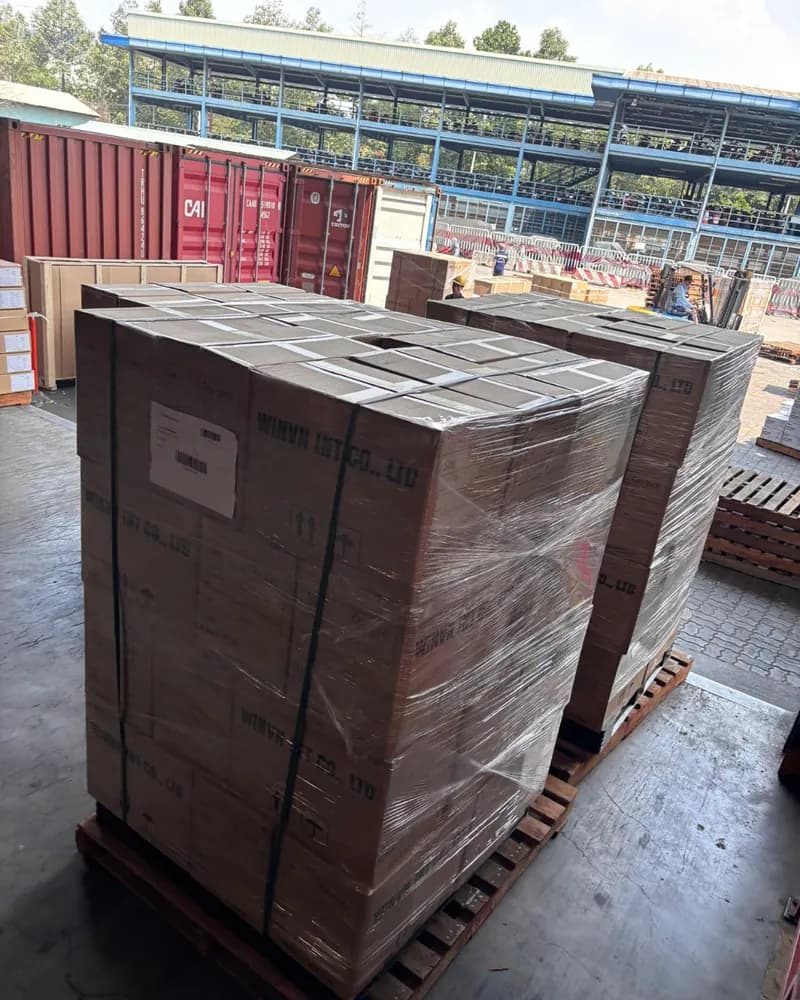
Most distributors reorder imported pet products on a rule of thumb — "reorder when we're down to about a month's stock" — that worked fine until a shipment ran late or demand spiked, and then either produced a stockout or, in overcorrecting afterward, tied up working capital in stock that sat for months. A reorder point built on the actual numbers involved is not complicated to set up, and it removes the guesswork from both failure modes.
The two numbers that actually matter
Lead time, from placing a production order to the goods being available for sale at your warehouse — production time plus transit time plus any customs clearance and receiving process. For an imported wood or natural-fiber pet product from Vietnam, this is realistically eight to twelve weeks door to shelf-ready, depending on production queue and shipping method, not the four-to-six-week figure that sometimes gets quoted for production alone.
Demand during that lead time, based on actual sales velocity, not a flat monthly average — natural pet products carry seasonal variation around gifting periods and pet adoption cycles that a flat average smooths over and understates.
A basic reorder point calculation
Reorder point = (average daily sales × lead time in days) + safety stock. The first term is the stock you expect to sell while a new order is in production and transit. Safety stock on top of that absorbs the two things that actually cause stockouts: a supplier running later than quoted, or a demand spike coinciding with the reorder window.
Setting safety stock without guessing
A reasonable starting point is safety stock covering two to four weeks of average demand, adjusted upward for SKUs with higher demand variability or a supplier with a less consistent track record on lead time, and downward for stable, predictable SKUs with a proven supplier relationship. Auditing batch consistency and lead-time reliability over a few orders is what tells you which category a given supplier actually falls into — trust the data from your own order history over a supplier's stated lead time.
Why this matters more for imported natural products specifically
Domestic reordering can absorb a demand spike with a rush order in days. An imported product cannot — the lead time floor is set by production and ocean freight regardless of urgency, which means the safety stock buffer has to do more work than it would for a domestically sourced product. Underestimating this is one of the more common and preventable causes of a stockout on an otherwise well-run pet product line.
What this means for negotiating with a supplier
A supplier who can commit to a tighter, more reliable lead time — through reserved production capacity, as covered in tier pricing — directly reduces how much safety stock, and therefore how much working capital, you need to hold. Lead time reliability is worth negotiating as hard as unit price.
If your reorder cycle is running on guesswork rather than a calculated reorder point, request a quote and ask for a documented, historically accurate lead time — that number is the input the whole calculation depends on.