Switching Suppliers Without Missing a Container
A transition plan for importers moving off an unreliable coffee wood supplier — parallel-run sampling, document handover and how to avoid a supply gap.
By WINVN · · 4 min read
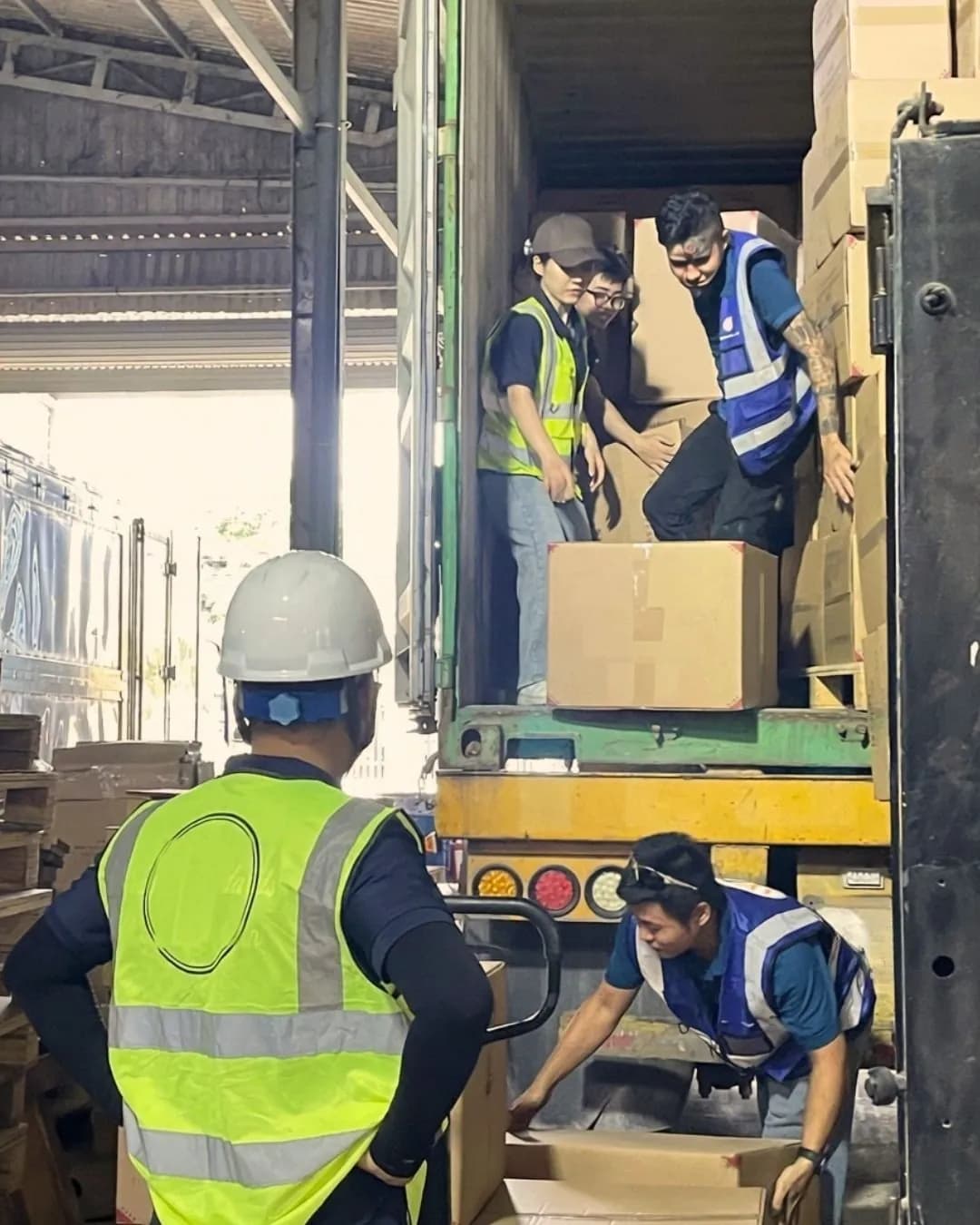
Most importers do not switch suppliers because a better price appeared. They switch because the current one already failed once — a held container, a batch that did not match the last one, a lead time that quietly slipped past the date it was quoted on. By the time the decision is made, there is usually a customer or a retail account waiting on the other end, which is exactly why the switch itself has to be handled without a gap.
The risk is never the new supplier's product. It is the three or four weeks between "we have decided to move" and "the new supplier's container clears," where old stock runs out before new stock lands.
Why this goes wrong more often than it should
Buyers underestimate the transition because they compare it to the first order they placed with their current supplier — which had no deadline pressure, no existing customer commitments and no clock running. A switch has all three. The plan needs to account for that difference explicitly, not assume the second sourcing process will feel like the first.
A transition sequence that does not create a gap
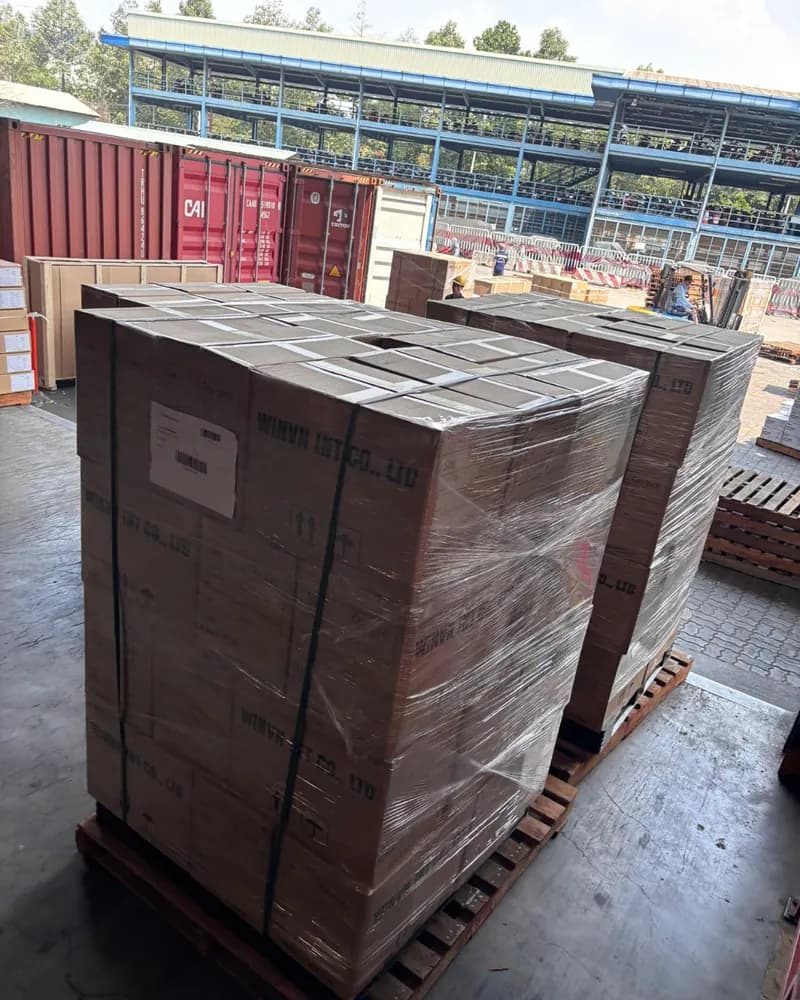
Run the trial order in parallel, not in sequence. Place a trial order with the new supplier while the old supplier is still shipping. This costs a small amount of double-ordered inventory and buys certainty before you need it, rather than after your last container from the old supplier has already left the warehouse.
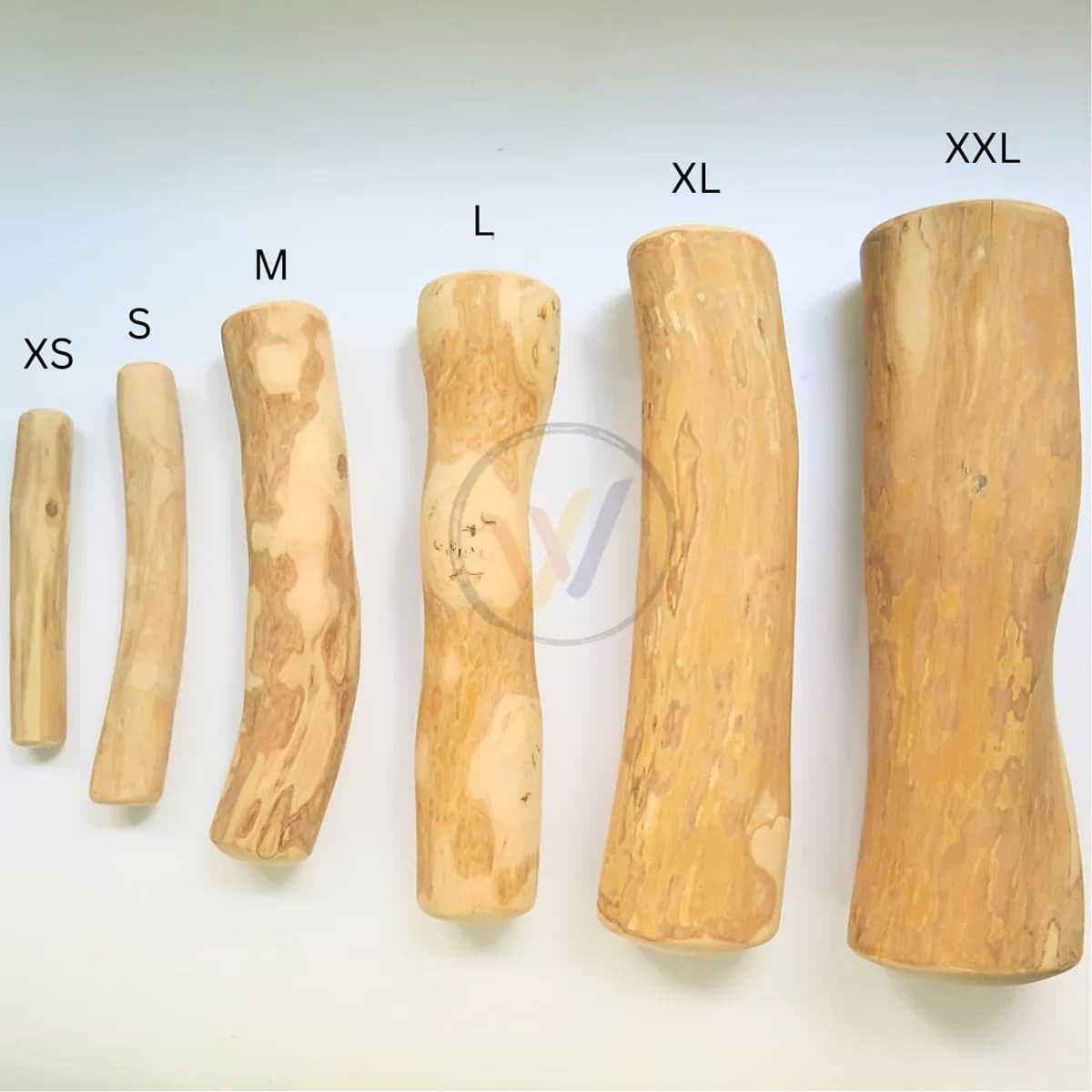
Approve against a written specification, not a sample photo. A sample that looks right in isolation is not the same as a sample that matches what your customers already expect. Send the new supplier your current product's dimensions, moisture range and packaging spec and have them match it, not just approve their standard offering.
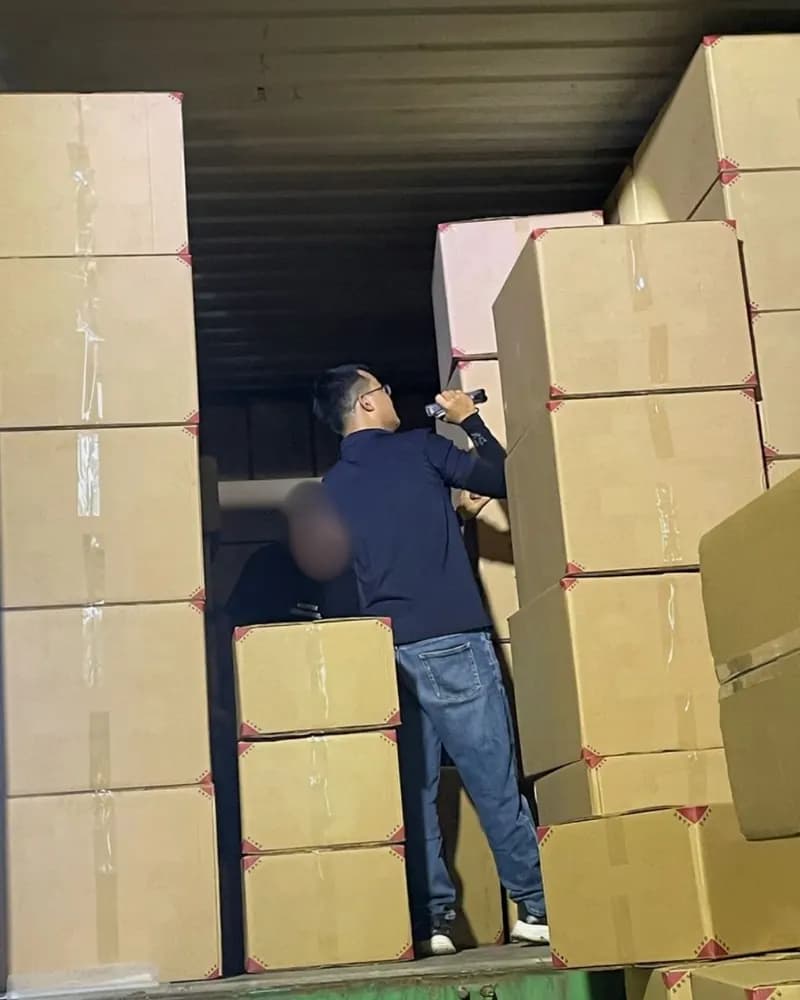
Get the destination document set confirmed before committing volume. Certificate of origin, phytosanitary certificate, fumigation certificate and any market-specific requirement — confirm the new supplier can produce the same set for your destination, with the same turnaround, before the trial order becomes a standing order. A supplier who is vague about this at quotation stage will be vague about it at the port.
Overlap the last old-supplier order with the first new-supplier order. If your reorder cycle is eight weeks, place the new supplier's first production order in week five or six of the old supplier's final shipment, not after it lands. The overlap is the buffer that prevents a stockout from ever becoming visible to your own customers.
Keep the old supplier informed only as much as commercially necessary. You do not owe a struggling supplier advance notice of a full exit, but an abrupt cutoff on a live purchase order can create its own friction — a partially-produced batch, a packaging deposit, a document that was mid-process. Close out cleanly.
What to check before committing volume, not after
A trial order is not just a quality check — it is a check on everything that failed with the last supplier, specifically. If the last supplier's problem was moisture-related mould claims, the trial order should include a moisture reading at receipt, not just a visual inspection. If the last supplier's problem was a document that arrived late, the trial order's document set should be timed and compared against the promised date, not assumed correct because it eventually arrived.
Capacity is part of the switch, not a separate question
A supplier who can produce your current order comfortably may not be able to absorb your full annual volume without becoming the same bottleneck you are leaving. Ask for the number directly: production capacity per year, and how much of it is currently uncommitted. At 5-6 million pieces per year across our own product lines, with factories in Gia Lai and Đắk Lắk and warehousing in Ho Chi Minh City, Long An and Binh Duong, the honest answer to "can you take on our full volume" is a specific number, not a reassurance.
Where to start
If you are already mid-transition and need a trial container run against a written specification, request a quote with your current spec and destination — we will tell you the real lead time before you commit, not after.