Verifying a Supplier's Production Capacity Before You Commit Volume
'We can handle it' is not a capacity number. What to actually ask a supplier to confirm they can scale with your order, not just accept it.
By WINVN · · 2 min read
A supplier will almost always say yes to a volume question, because saying yes gets the order. The gap between "yes, we can handle it" and a supplier that actually has the uncommitted capacity to take on your volume without becoming the same bottleneck your current supplier already is — that gap only shows up after the order is placed, unless it is checked for beforehand.
Why this question gets skipped
Asking a supplier to prove capacity feels adversarial in a relationship that has not started yet, so most buyers accept a general assurance instead. That instinct is understandable and it is also exactly backward — capacity is easier to verify before a commitment than after one, when a shortfall shows up as a missed shipment with your customer already expecting stock.
What an actual capacity conversation covers
Total annual production capacity, as a number. Not "a lot" or "we can scale" — a specific figure, by product line, that the supplier is willing to put in writing. A supplier confident in their operation will give this without hesitation.
How much of that capacity is currently uncommitted. A factory running near full capacity for existing customers cannot simply absorb a new large order on top without displacing someone — likely by extending everyone's lead time, including yours, once volume ramps up. Ask specifically what percentage of capacity is currently free.
What happens during a demand spike. A seasonal order, a large one-time restock, or an unplanned reorder tests capacity differently than a steady baseline. Ask how the supplier has actually handled a spike in the past, not how they expect to handle a hypothetical one.
Multiple facilities or a single point of failure. A supplier operating from one factory has no fallback if that facility has a problem — equipment failure, a labor shortage, a local disruption. A supplier with multiple production sites, or documented backup arrangements, carries meaningfully less risk at scale.
A number worth asking for directly
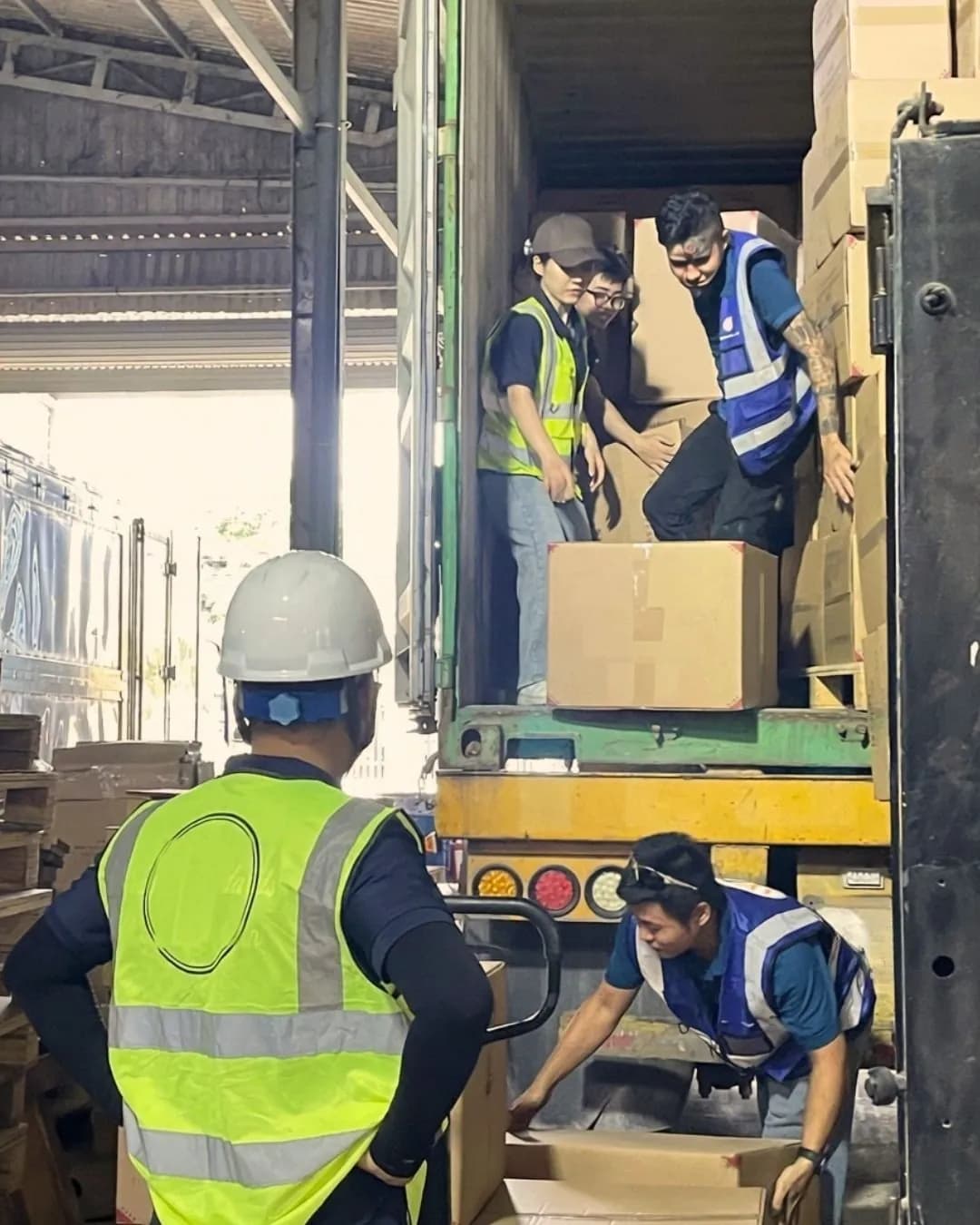
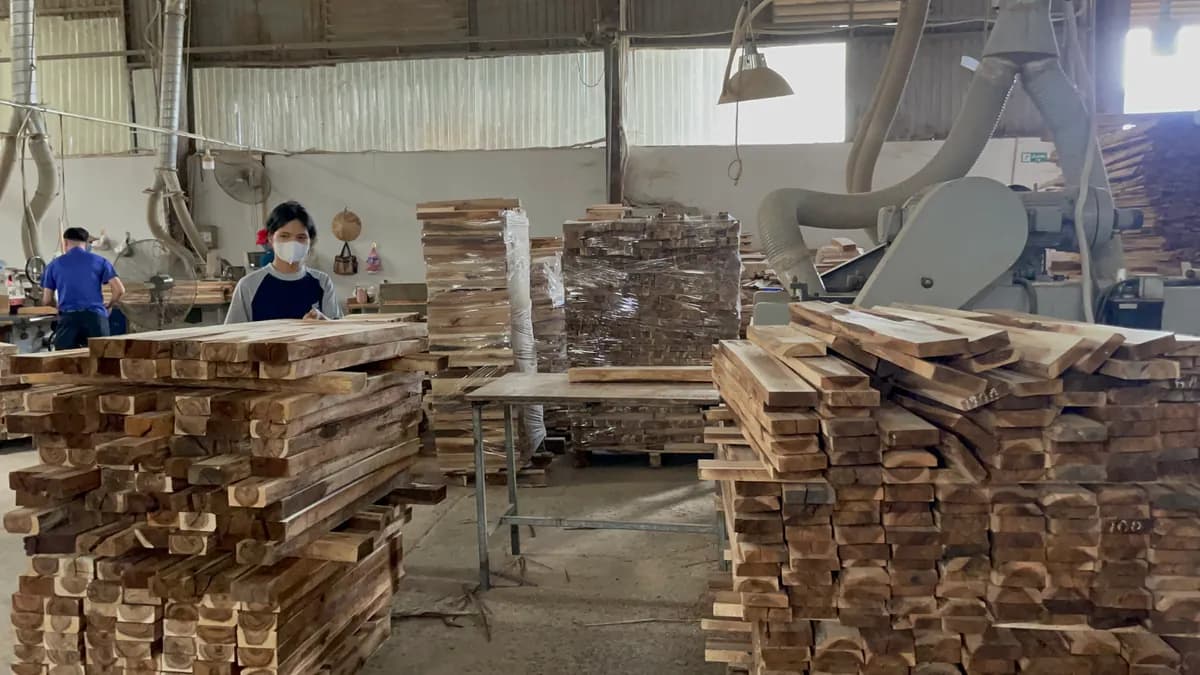
At 5-6 million pieces per year across production lines, with factories in Gia Lai and Đắk Lắk and warehousing in Ho Chi Minh City, Long An and Binh Duong, WINVN's answer to "can you take on our full volume" is a specific figure against a specific facility footprint — the kind of answer worth expecting from any supplier being asked to absorb meaningful volume, not a reassurance in place of one.
Where this matters most
Before signing exclusivity, as covered in what to ask before agreeing to exclusivity, and before consolidating multiple SKUs or regions onto a single supplier. Both decisions assume the supplier can actually scale with you — confirming that assumption early is cheaper than discovering it was wrong after the relationship is already load-bearing.
If you are evaluating whether a supplier can support your full volume, request a quote and ask for the capacity number and current utilization directly — a supplier with nothing to hide will answer specifically.