How the Custom Natural Pet Product OEM Process Actually Works
Starting from a spec instead of a catalogue product changes the timeline and the risk. A step-by-step look at what happens between a design brief and a production order.
By WINVN · · 3 min read
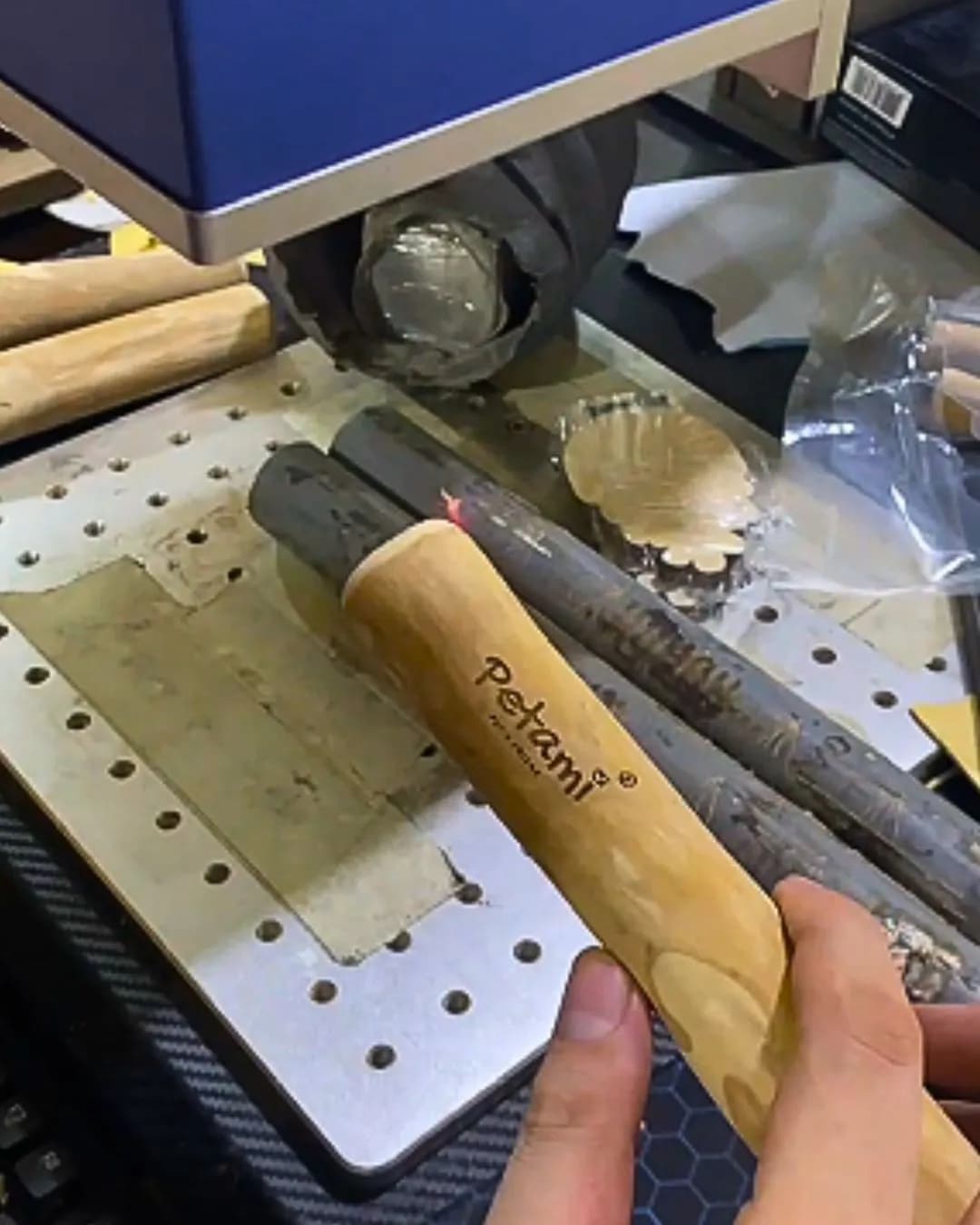
Starting a custom pet product from a specification instead of an existing catalogue item changes both the timeline and where the risk sits. A catalogue product has already been proven — sized, tested, produced at scale. A custom development has none of that yet, which is exactly why it needs a different process than simply placing an order.
The sequence, in the order it actually happens
1. Design brief and material selection. Before any sampling starts, the specification needs to be concrete: dimensions, material or material blend, intended use case, and target price point. A vague brief — "something natural and durable" — produces a vague first sample and an extra revision round that a specific brief would have avoided.
2. Feasibility and cost estimate. Not every design brief is producible at the material or tolerance requested, and a supplier with real manufacturing experience will flag this before sampling rather than after — a rough cost estimate at this stage also tells you early whether the concept is commercially viable at your target price.
3. First sample. Produced against the confirmed brief, this is the first physical proof that the concept works as specified. It rarely arrives perfect on the first attempt, and that is expected rather than a sign something went wrong.
4. Revision rounds. Sample timelines covers this in more depth — budget for one to two rounds of adjustment before a sample is genuinely ready to approve, especially on a fully custom development rather than a modification of an existing line.
5. Tooling, where the design requires it. A custom shape, a specific dieline, or a mold for a formed product needs tooling built before production can begin at scale. This is a one-time cost and lead-time addition specific to the design — confirm it explicitly, since it does not apply to every custom request.
6. Pre-production sample against the final tooling. A sample made by hand during development can differ from what tooled production actually yields. Confirming a pre-production sample against the finalized process — not just the original hand-made sample — catches this gap before a full order is committed.
7. Production order. Only once the pre-production sample is approved does the real production order begin, on a lead time that starts from this point, not from the original brief.
Where OEM development differs from ordering off a catalogue
Every step above adds real time that a catalogue product skips entirely. OEM vs ODM covers when this investment is worth making versus when an existing product line, lightly modified, gets you most of the differentiation without the full timeline.
What to bring to a first conversation
A brief specific enough to sample against — even a rough sketch or a competitor reference with notes on what should be different — moves the process forward faster than a general description. Request a quote with whatever specification you have; a supplier with real OEM experience will tell you honestly what is and is not feasible before the first sample round begins.