Reducing Return Rates on Natural Dog Chews Sold Online
Return rate is a margin line, not a customer service metric. The five product and listing fixes that move it before a supplier switch is even necessary.
By WINVN · · 2 min read

Every return on a natural pet chew costs more than the refunded unit — return shipping, a restocking or disposal cost, and the review that often accompanies it. Sellers usually treat a rising return rate as a customer service problem to manage. Most of the time it is a product or listing problem to fix, and it is cheaper to fix than to keep managing.
The most common cause: the listing sets the wrong expectation
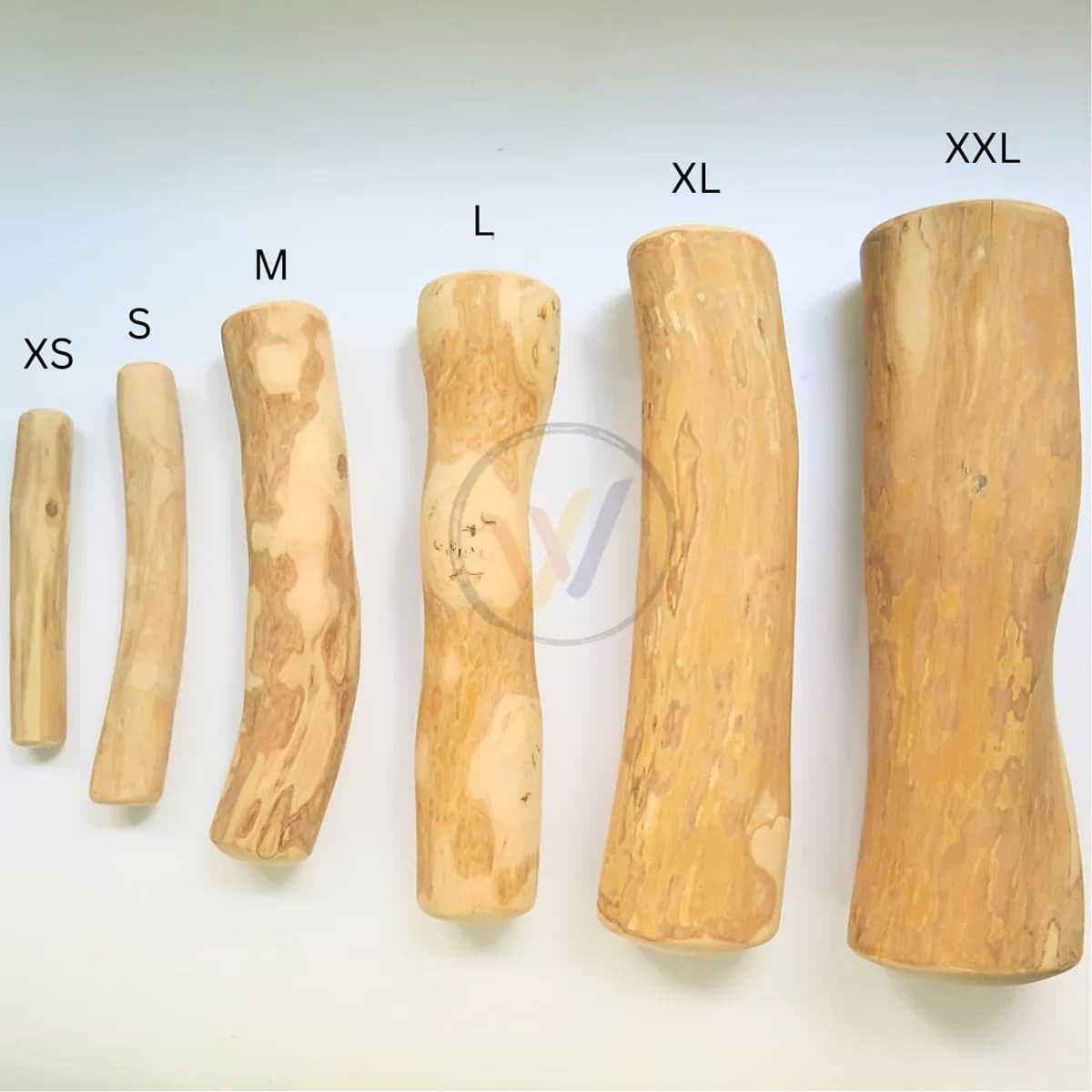
A photo showing the largest size in the range, on a page that defaults to selling the smallest, generates returns from customers who received exactly what they ordered but not what they expected. This is the single most preventable cause of returns on chew products, and it costs nothing to fix — it is a listing edit, not a product change. Check that primary images, size charts and the buy box default all agree with each other.
The second most common cause: size mismatch to the dog
A chew sized for a 10 kg dog given to a 35 kg dog gets destroyed in one sitting and returned as "too small" or "broke immediately" — a complaint about the size choice, framed as a quality complaint. A clear size guide on the listing, ideally with a weight range per size rather than just XS-XXL labels, moves this decision to before the purchase instead of after.
What is actually a supplier problem
Moisture-related issues — mould, an off smell, a chew that softens unexpectedly — and physical inconsistency between units in the same batch are genuine quality problems, not expectation problems. If returns cluster around these complaints specifically, the fix is upstream: a documented moisture-control process and batch consistency checks at the factory. Common quality problems breaks down the five issues that account for most one-star reviews on this category.
A diagnostic before assuming it is the supplier
Pull the actual return reasons for the last 90 days and sort them into three buckets: expectation mismatch (size, appearance), genuine defect (mould, breakage, inconsistency), and unrelated (changed mind, ordered wrong item). If the majority sits in the first bucket, the fix is listing content, not a supplier audit. If it sits in the second, auditing the supplier after a complaint pattern is the right next step.
What to ask a supplier if the defect bucket is genuinely high
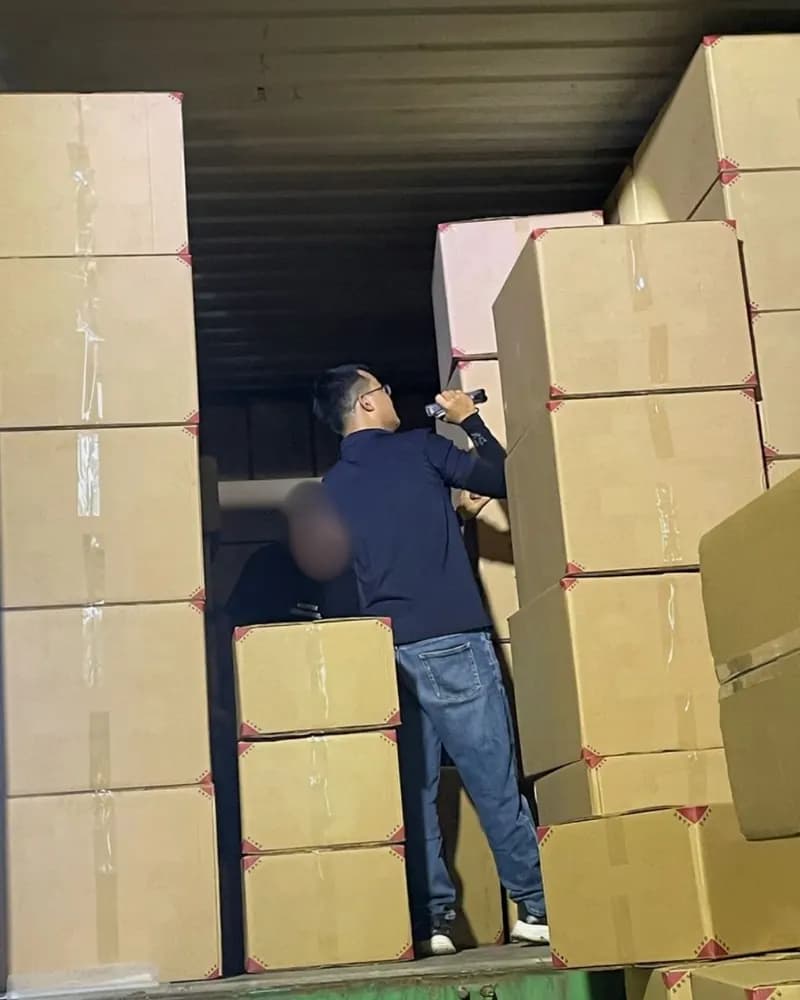
Whether moisture is checked at multiple stages of production or only at the end, whether size tolerance is documented and inspected per batch, and whether a photo of the actual batch — not a catalogue image — is available before it ships. A supplier who answers these specifically, with numbers, is a different proposition than one who answers with reassurance.
If return data points at the product itself, request samples from the sizes generating the most complaints and compare them directly against what is currently shipping — the difference is usually visible immediately.