Product Liability Insurance for Imported Natural Pet Chews
Cargo insurance covers a damaged container. It does not cover a claim after the product reaches a customer. What US and EU sellers should have in place.
By WINVN · · 3 min read
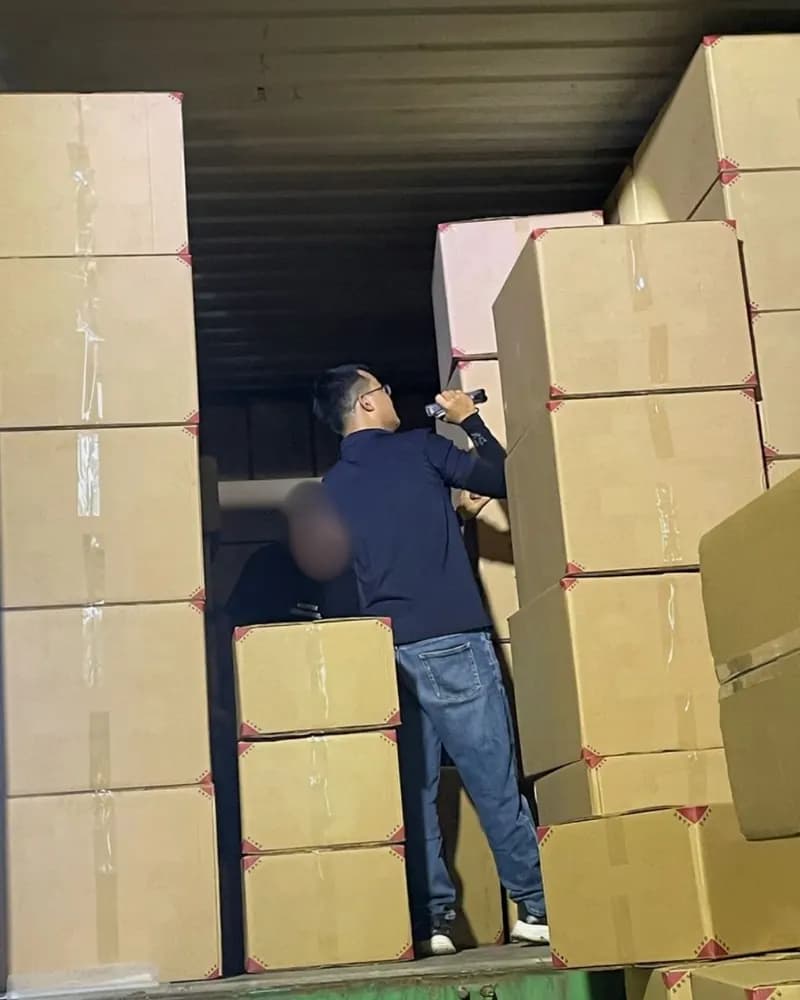
Our cargo insurance article covers freight and transit risk — a damaged or lost container. This is a different insurance question entirely: what happens if a product reaches a customer and something goes wrong after the sale, and who's financially exposed when it does.
What product liability insurance actually covers
Product liability insurance covers claims arising from a product causing harm — injury to a pet, in this category's case, or property damage — after it's reached the end consumer. It's a separate policy from general business insurance and separate again from cargo/freight insurance, which stops covering the goods once they've been delivered.
For a natural chew product specifically, the realistic exposure is a claim tied to splintering, a choking incident, or a contamination issue traced back to the product. Whether or not a claim has merit, defending against one has real cost, which is exactly what this coverage exists to absorb.
Why Amazon sellers specifically need to know this cold
Amazon requires product liability insurance for sellers once they cross certain sales thresholds in specific categories, pet products among them — commonly cited around $10,000 in monthly sales in an affected category, with coverage typically expected at $1,000,000 per occurrence. Thresholds and requirements are set and changed by Amazon directly, so confirm current specifics in Seller Central rather than relying on a figure that may be out of date by the time you read this. The practical implication: if you're planning to scale a pet chew listing, this isn't optional paperwork to defer — it's a requirement that arrives with growth, and getting the policy in place before you hit the threshold avoids a scramble that can pause your listing.
What underwriters typically want to see
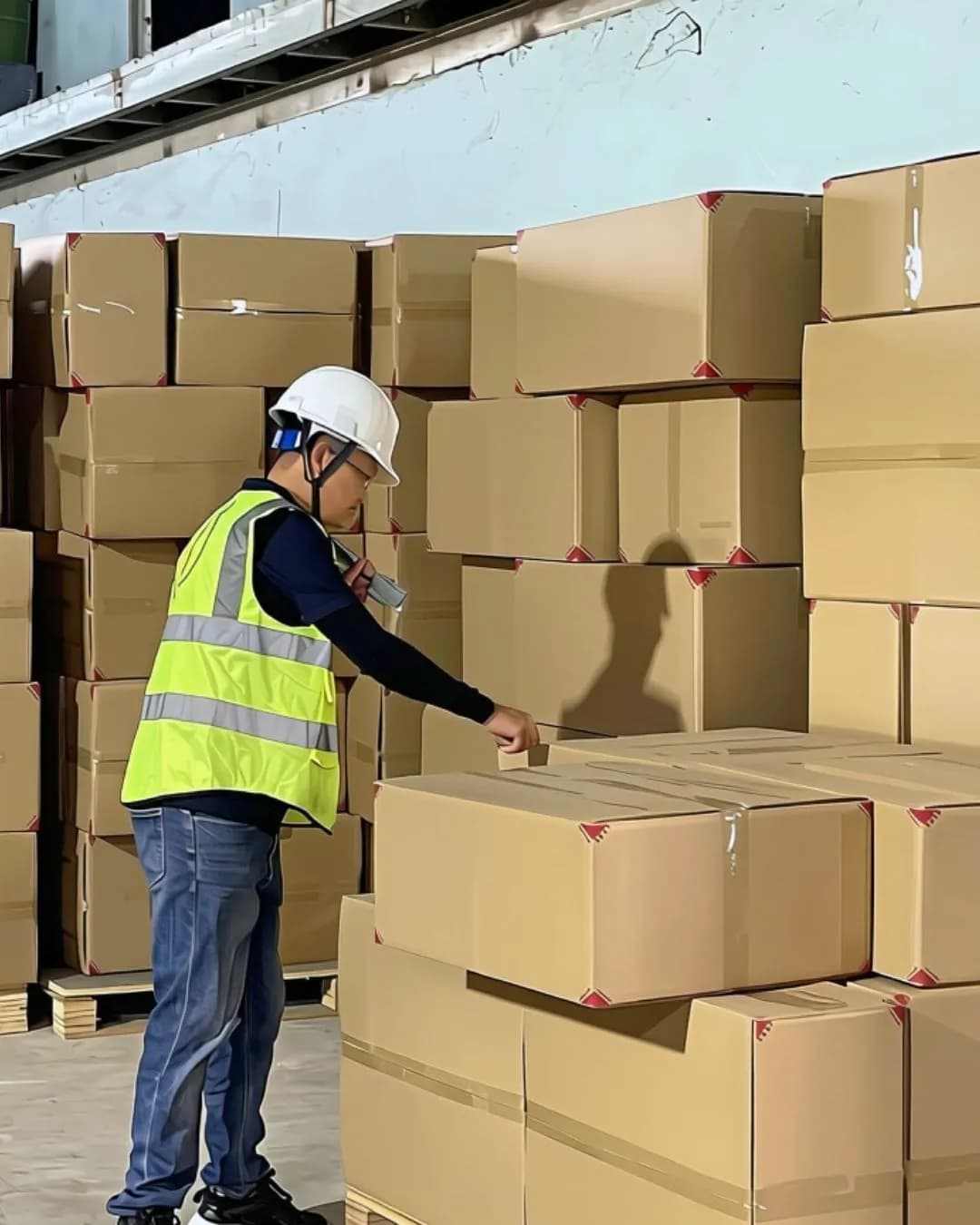
Insurers pricing this coverage generally want documented quality control from your supplier — batch inspection records, any safety testing on file, and a clear account of your supply chain. This is one of the practical reasons documented QC (covered in our safety testing and certification article) matters beyond just product quality itself — it's also underwriting evidence that can affect your premium and your ability to get coverage at all.
Questions to ask an insurance broker
Does the policy cover imported products specifically, and does country of manufacture affect the quote? What documentation from my supplier will reduce my premium or is required for underwriting? Does coverage apply per product line, or does adding a new material (moving from coffee wood alone into hemp or coconut fiber, for instance) require a policy update?
Where supplier choice connects to insurability
A supplier who can't produce batch inspection reports or safety testing documentation doesn't just create a quality risk — it can make coverage harder to obtain or more expensive, and in some cases can be the reason a claim isn't well-defended if one does arise. This is a genuine, if less obvious, reason unit price shouldn't be the only variable in a supplier decision — see when a cheaper supplier costs you more.
Where to start
If you need documentation to support an insurance application — batch inspection reports, testing records, supply chain detail — request a sample and let us know what your broker or underwriter is asking for; we'll provide what we have and be direct about anything you'll need to source independently.