Choosing a Material for Your First Amazon Natural Chew Listing
Coffee wood, hemp, coconut fiber and loofah compete differently on Amazon than they do on a retail shelf. What that means for choosing a first SKU.
By WINVN · · 3 min read
A retail shelf lets four different natural chew materials sit side by side and lets the customer pick one up. An Amazon listing doesn't work that way — you're choosing one material to be the hero image, the primary keyword target, and the thing your first reviews are about. That's a different decision than a retailer choosing an assortment, and it's worth treating separately.
What actually differs by material on Amazon specifically
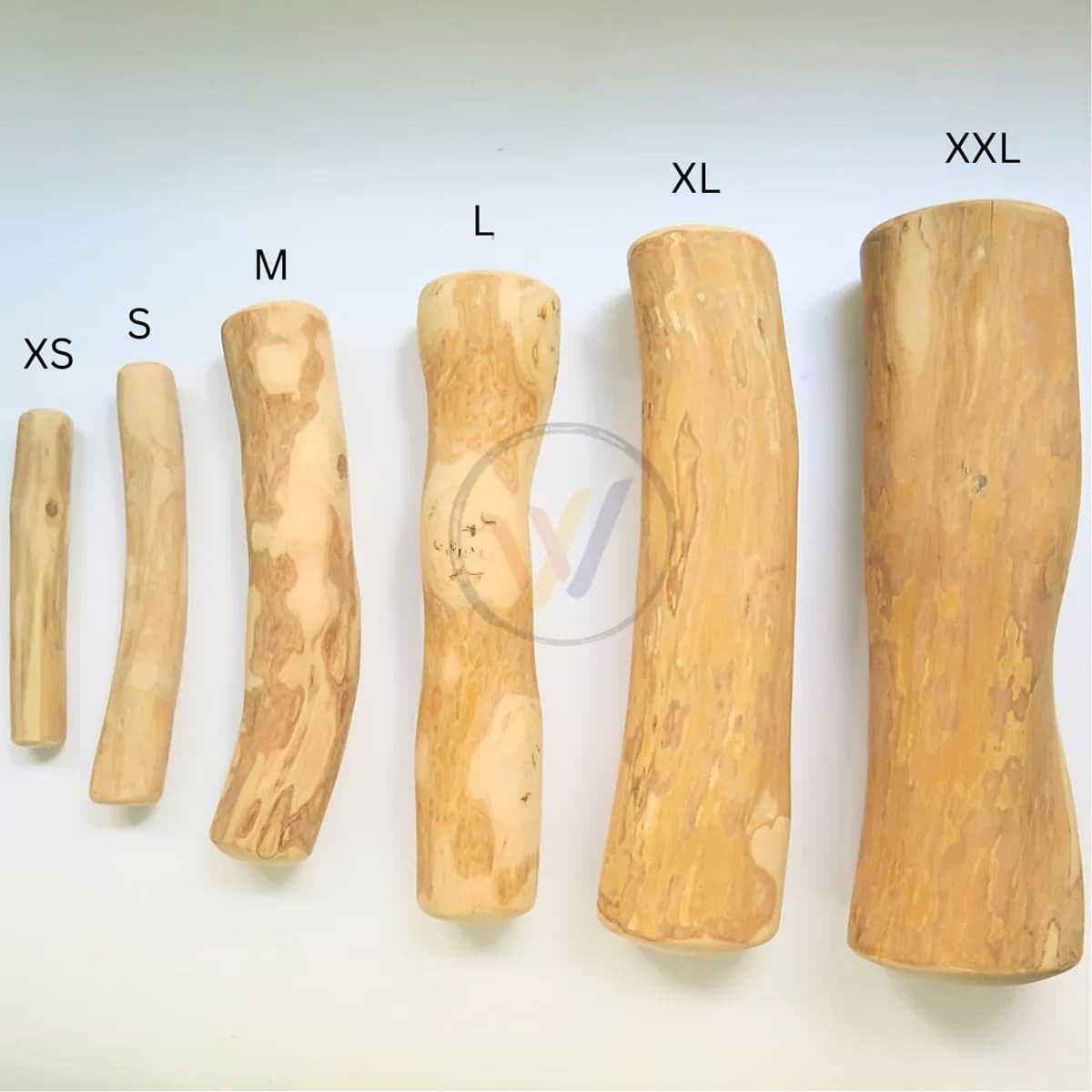
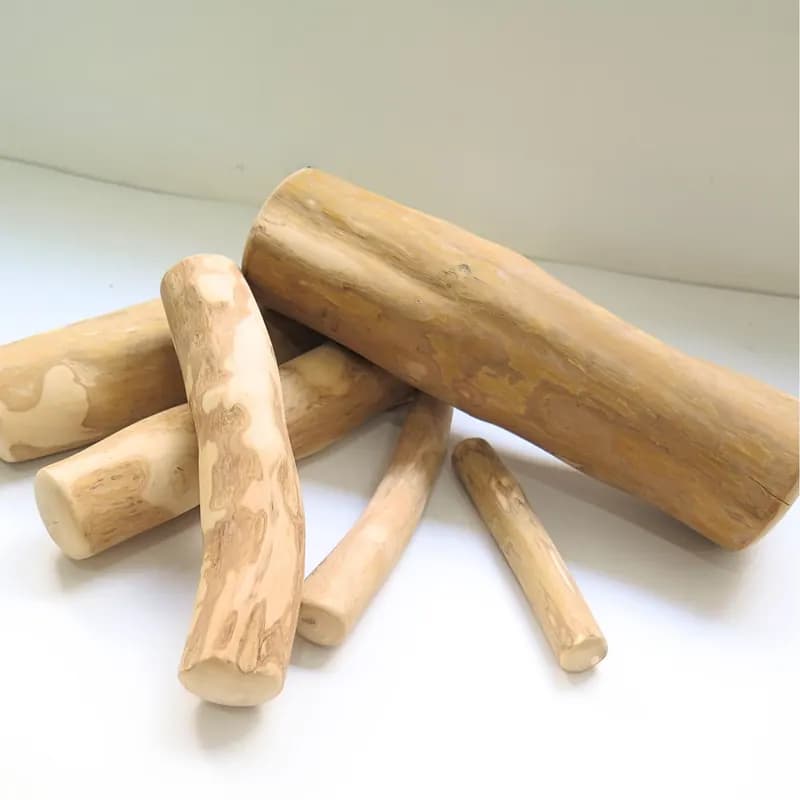
Coffee wood carries the strongest, most established search demand of the four in this category and the most direct competition as a result — a crowded but proven keyword. It photographs well as a single hero product and benefits from a clear, ownable safety story (no splintering the way most timber does, no caffeine) that converts well in bullet points and A+ content.
Hemp rope toys read cleanly in lifestyle and tug-play imagery and tend to draw a buyer specifically looking for a plastic-free alternative to synthetic rope toys — a slightly different search intent than "natural chew," worth checking in your own keyword research before assuming it overlaps with coffee wood traffic.
Coconut fiber differentiates well on a sustainability and buoyancy story if water play is part of your positioning, but has a narrower core search volume than coffee wood as a standalone listing — often performs better as a second SKU that broadens an existing natural-chew storefront than as the very first listing.
Loofah is the one material here that crosses into cat products meaningfully, which matters if your brand isn't committed to dogs-only positioning yet. It also tends to draw a buyer specifically searching for spa, grooming or gift-adjacent framing rather than a straightforward chew replacement — different review sentiment pattern than the other three, generally skewing toward gift and novelty language rather than durability language.
The decision that actually matters for a first listing
If you're optimizing for fastest path to validated demand with the least keyword competition risk, coffee wood's search volume is double-edged — more demand, but a harder ranking climb for a brand-new listing with no review history. If you have a specific differentiation angle (a material story, a bundle concept, a underserved sub-niche like cat-safe chews), a less crowded material can be the faster path to page-one visibility even with lower raw search volume.
Check your own category's current competitive density before assuming coffee wood's popularity makes it the right first move — a smaller, less contested keyword with a clear listing can outperform a crowded one with no rank yet.
What doesn't change by material
FBA size-tier and packaging discipline, defect rate and return-rate management, and private-label differentiation strategy apply the same way regardless of which material you pick first — see coffee wood vs antler vs nylon for a deeper materials comparison, and our multi-SKU bundle guide for when it makes sense to combine materials into one listing rather than launch them separately.
Where to start
If you're weighing materials for a first or next Amazon SKU, request samples across two or three materials before committing — seeing and photographing the actual product is a better way to judge listing potential than a spec sheet.