Coffee Wood vs Antler vs Nylon: A Buyer's Comparison
Three natural-chew categories, three different failure modes and cost structures. What actually distinguishes coffee wood, antler and nylon for a buyer choosing a range.
By WINVN · · 4 min read
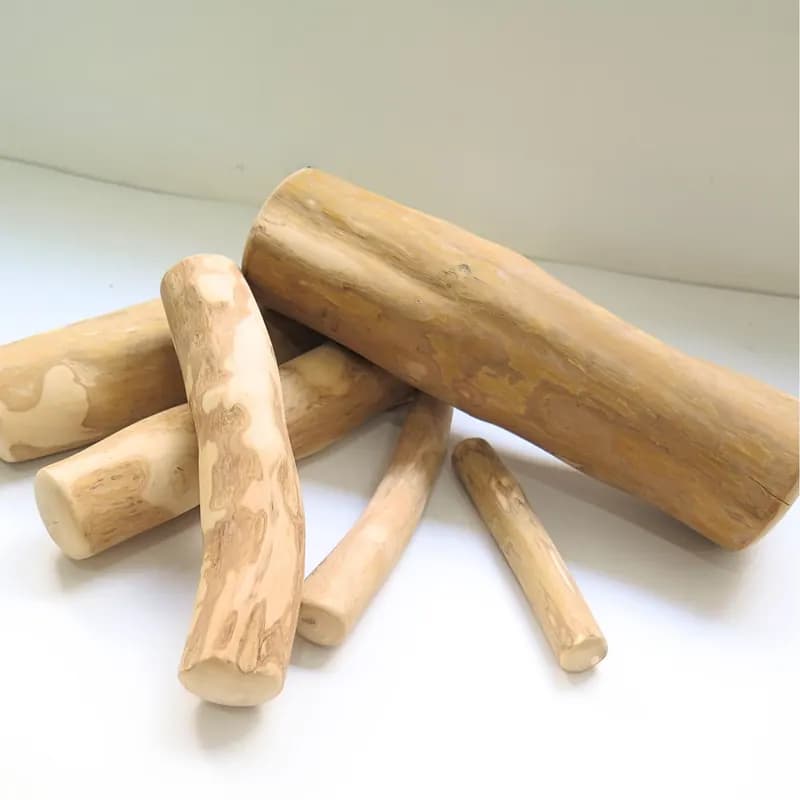
Buyers building a chew range almost always end up comparing the same three materials: coffee wood, deer antler and nylon. Each has a real place in the market. The mistake is treating them as interchangeable and picking on price alone.
Here is what actually separates them, without the marketing language any of the three categories tend to attract.
How each one fails
Every chew eventually wears down or breaks. What matters is how.
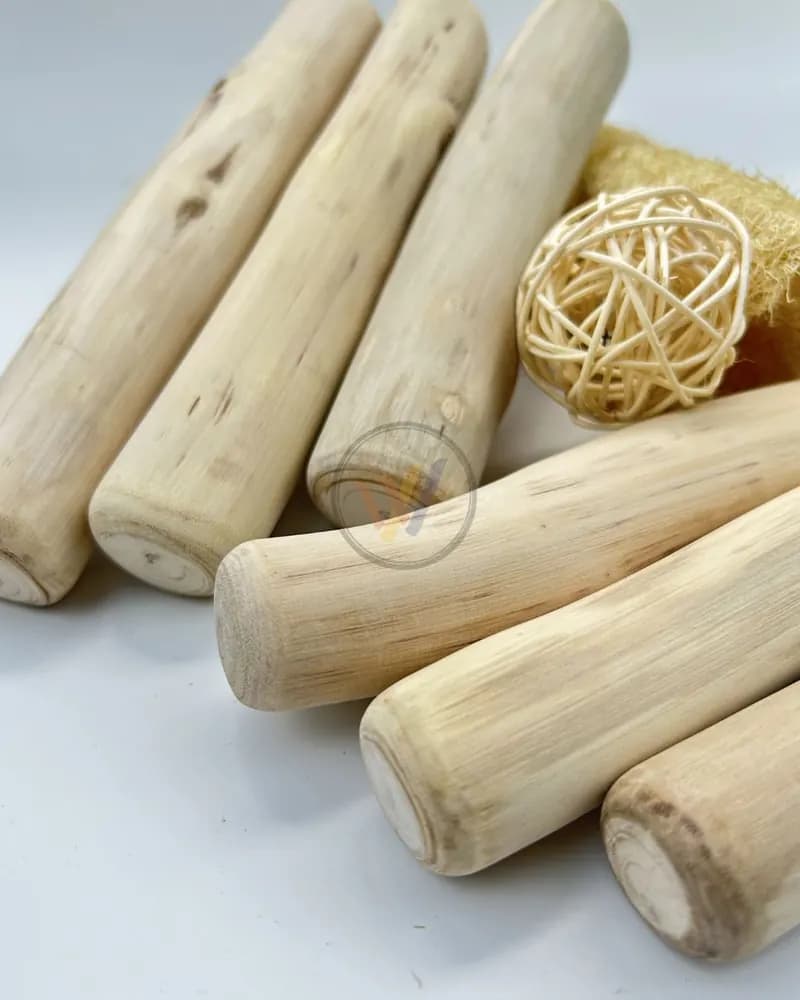
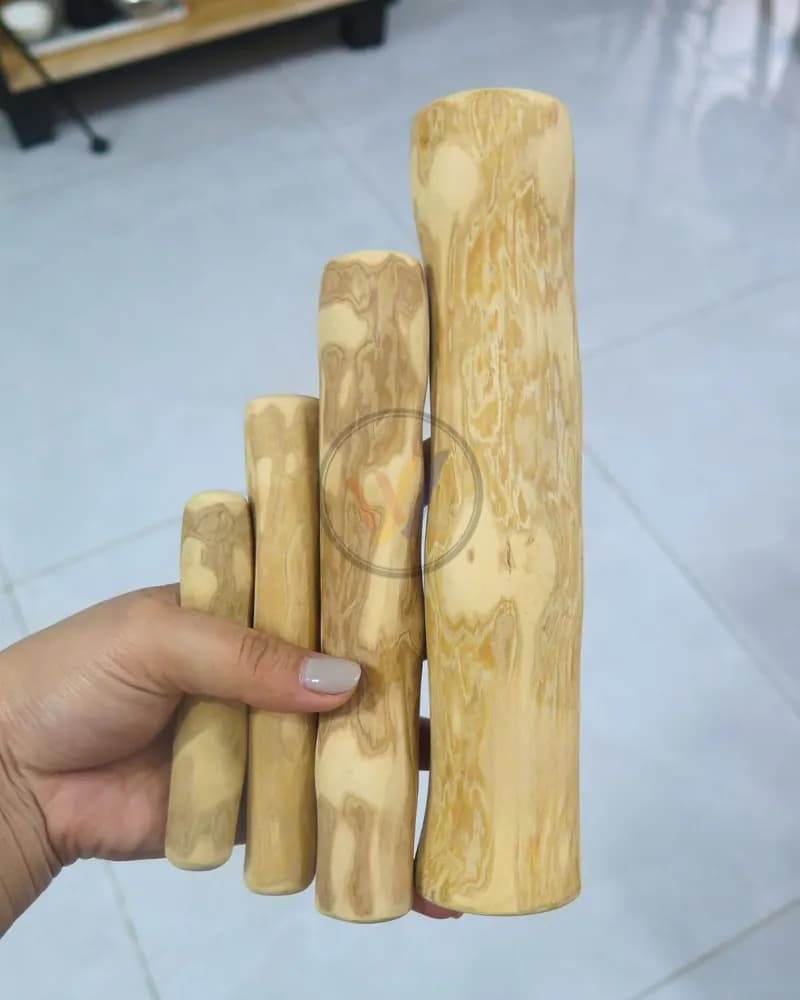
Coffee wood abrades. Dense, short interlocked fibres wear away in small particles under sustained chewing rather than splitting into shards — the mechanism is covered in more depth in our piece on splinter risk. The wear is visible and gradual: a used chew looks frayed and rounded, not fractured.
Antler is genuinely hard — harder than most natural chews on the market — which is exactly its selling point and its risk. Hardness that a wood or rubber product cannot match also means a determined chewer can crack a tooth against it, particularly a carnassial or canine. This is a known veterinary concern with antler and horn products generally, not a defect specific to any one supplier. It is also a slower-wearing product, which retailers market as value but which also means a single antler chew stays in circulation, and in a dog's mouth, far longer than a wood or fiber chew.
Nylon does not abrade or splinter in the same way either material does — it deforms and eventually the dog can shear off a piece under enough force, and that piece does not break down. It is the most durable of the three by a wide margin, which is the entire argument for it, and it is also the only one of the three that is not biodegradable and not marketable as natural or plastic-free.
Cost and supply structure
Antler is a byproduct of deer with limited, seasonal supply tied to shedding or culling, and sourcing at volume is genuinely harder than for a manufactured or plant-based material — this shows up as price volatility and, at scale, supply gaps. Coffee wood is tied to a large, steady agricultural cycle (coffee tree replacement after 20–25 years of production, detailed in our sourcing piece), which gives it a more predictable cost base and much higher achievable volume. Nylon is a manufactured input, so its supply is the most elastic of the three and least tied to any agricultural season — the trade-off is that it carries none of the natural or plastic-free positioning increasingly asked for by eco-focused retailers and marketplaces.
Positioning each one sells
A buyer choosing between these three is usually choosing a positioning, not just a product:
Natural / plastic-free / eco retail. Coffee wood fits this shelf cleanly — single material, no dye, no binder, a traceable agricultural story. Antler fits it too, marketed on its natural origin, though "byproduct of deer" is a harder public story to tell cleanly than "byproduct of a coffee farm." Nylon does not fit this positioning and should not be marketed as though it does.
Heavy chewer / extreme durability. Nylon and antler both compete here, on genuinely different grounds — nylon on engineered toughness, antler on natural hardness — and coffee wood competes less directly, since it is designed to wear down rather than resist wear indefinitely.
Price-sensitive, high-turn retail. Coffee wood's cost structure and consistent supply tend to work best here; antler's price volatility makes it a harder category to hold a stable retail price in.
What a buyer should actually ask a supplier
Regardless of material, three questions cut through most of the marketing:
- What is the actual failure mode, and what does the finished piece look like at end of life? Ask for a used sample, not just a new one.
- Is supply seasonal, and what happens to your price and lead time in a short month?
- What documentation backs any safety or origin claim — test reports, not just a description on a spec sheet.
Where this leaves a range
Most multi-material ranges we work with are not choosing one of these three — they are stocking two, aimed at different customers: a natural, plastic-free option for the eco-conscious shelf and a heavy-duty option for owners of committed chewers. Coffee wood and nylon pair well for exactly that reason; they rarely compete for the same customer.
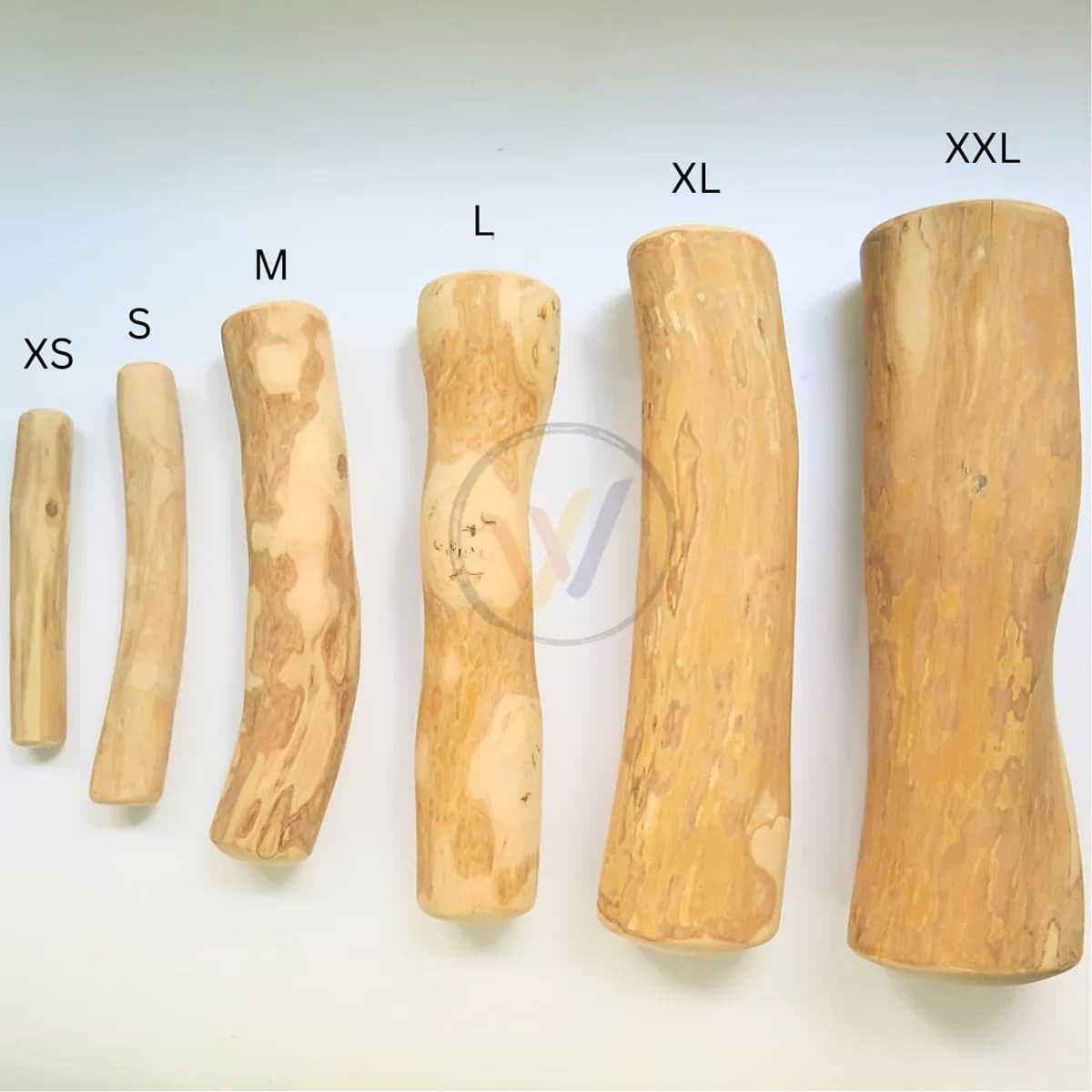
If you are deciding which of these fits your range, request samples of the sizes you would actually stock and hold them side by side. Photographs do not tell you how a chew wears; a few weeks with a real dog does.