Vietnam's Manufacturing Calendar: Tet and Coffee Harvest Season
The same lead time quoted in September and December can mean different things. What moves on a Vietnamese factory's calendar, and when to order around it.
By WINVN · · 3 min read

A lead time quoted without reference to the calendar is only half the answer. Two seasonal patterns move production and raw material timing in Vietnam every year, and buyers who don't plan around them are the ones most likely to get a late shipment they weren't warned about early enough to adjust.
Tet: the shutdown every buyer needs to plan around
Tet (Lunar New Year) is Vietnam's major national holiday, and it moves every year on the Gregorian calendar — Tet 2027 falls on February 6. Government-mandated public holiday is typically about a week, but many factories close longer in practice, often ten days to two weeks once travel time before and after is included, since a large share of factory workers travel home to other provinces for the holiday and don't return immediately after the public holiday ends.
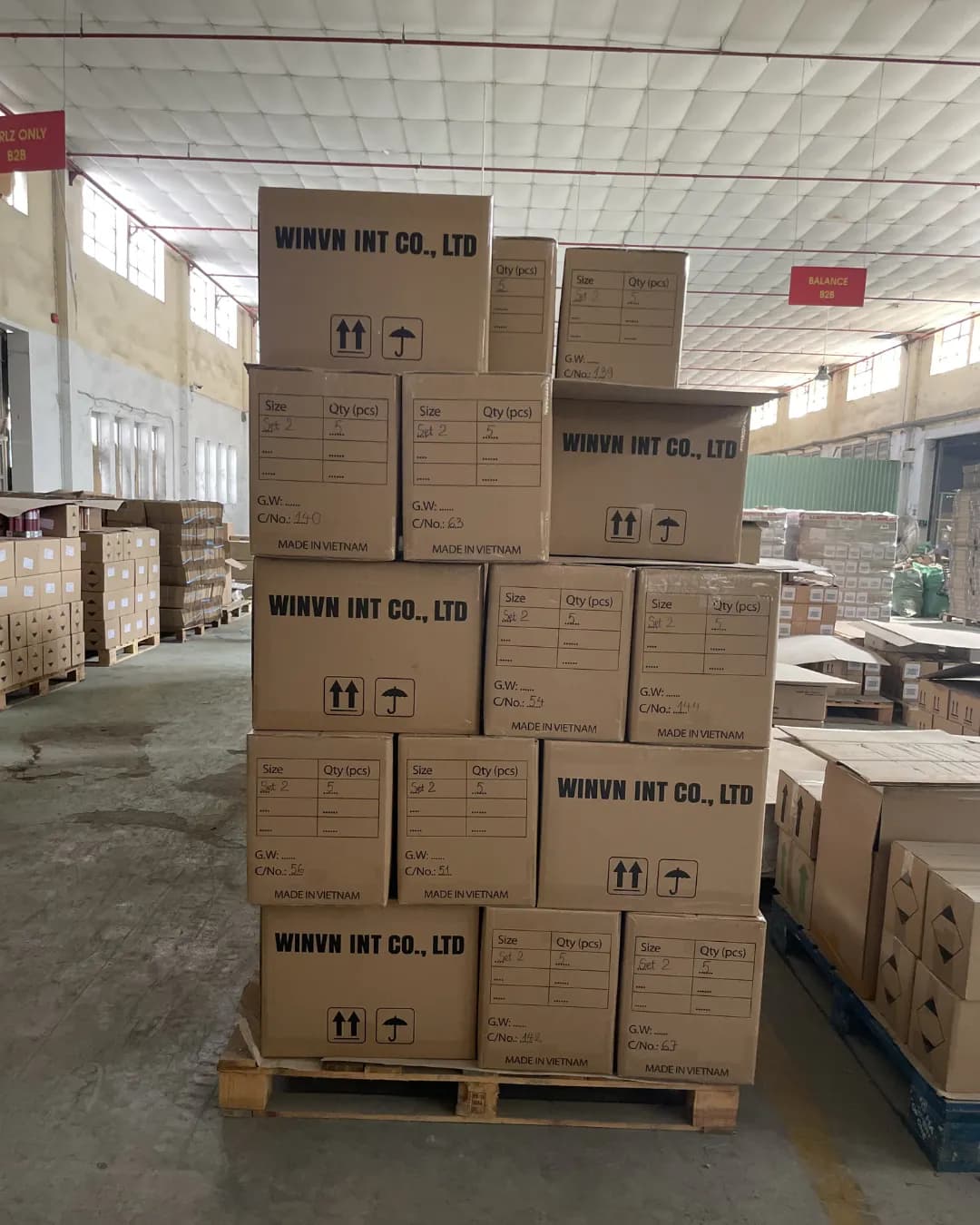
The planning mistake buyers make isn't missing the shutdown itself — it's underestimating how far in advance production backs up before it. Order volume into Vietnamese factories typically increases in the weeks before Tet as everyone tries to ship before the closure, which extends real lead times beyond the quoted number during that window specifically. If your order would normally ship in December or January, ask explicitly whether it falls before or after your supplier's planned Tet closure, and build in buffer on both sides — before, because of pre-holiday order congestion, and after, because factories ramp back up gradually rather than instantly at full capacity.
Coffee harvest season and its effect on coffee wood specifically
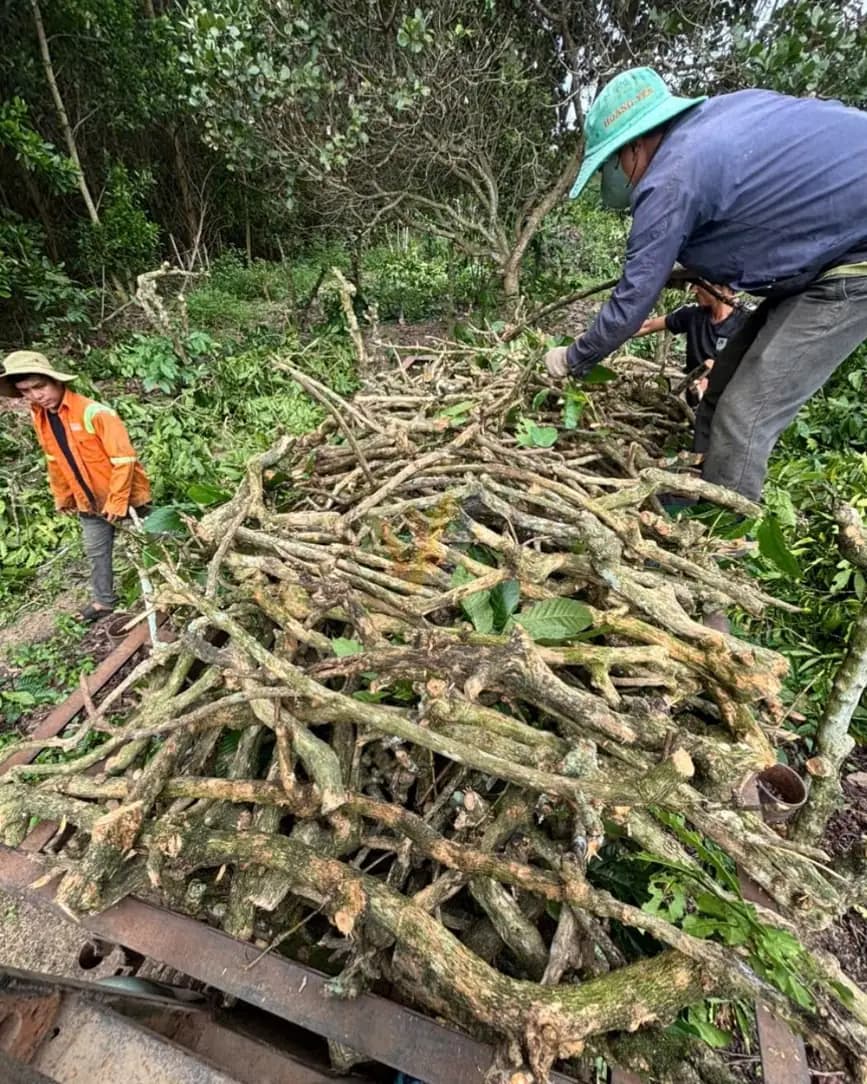
Vietnam's coffee harvest runs roughly October through January in the Central Highlands, varying somewhat by region and year. This matters for coffee wood specifically because it's the period when replanting activity (and therefore retired-tree wood availability) is most active — raw material supply is generally most abundant in and shortly after this window, which can mean more consistent material sourcing and, in some years, better pricing stability than during the leaner months mid-year.
This isn't a hard rule suppliers should quote against blindly — replanting is an ongoing cycle, not a single annual event tied strictly to harvest — but it's worth asking your supplier whether raw material timing affects their quoted lead time for large orders, particularly if you're planning a large first production run.
How to actually use this when planning an order
Ask your supplier for their specific planned Tet closure dates as soon as you're discussing an order that might fall near it — don't assume a generic "week in February" is precise enough for your own planning. If you're placing a large first order, ask whether raw material availability is currently at a seasonal high or low point, and whether that affects the quoted lead time. Build reorder timing (see our warehousing and reorder cycle framework) around these patterns rather than treating lead time as a flat, year-round constant.
Where to start
If you're planning an order that might fall near Tet or want to understand current raw material timing before committing to a production date, request a quote with your target ship window — we'll give you a lead time that accounts for the calendar, not just the standard quote.