Direct-to-FBA vs Prep Center for Pet Chew Shipments
Shipping a factory container straight into Amazon's network saves a step and removes a safety margin. When direct-to-FBA works, and when a prep center still earns its fee.
By WINVN · · 2 min read
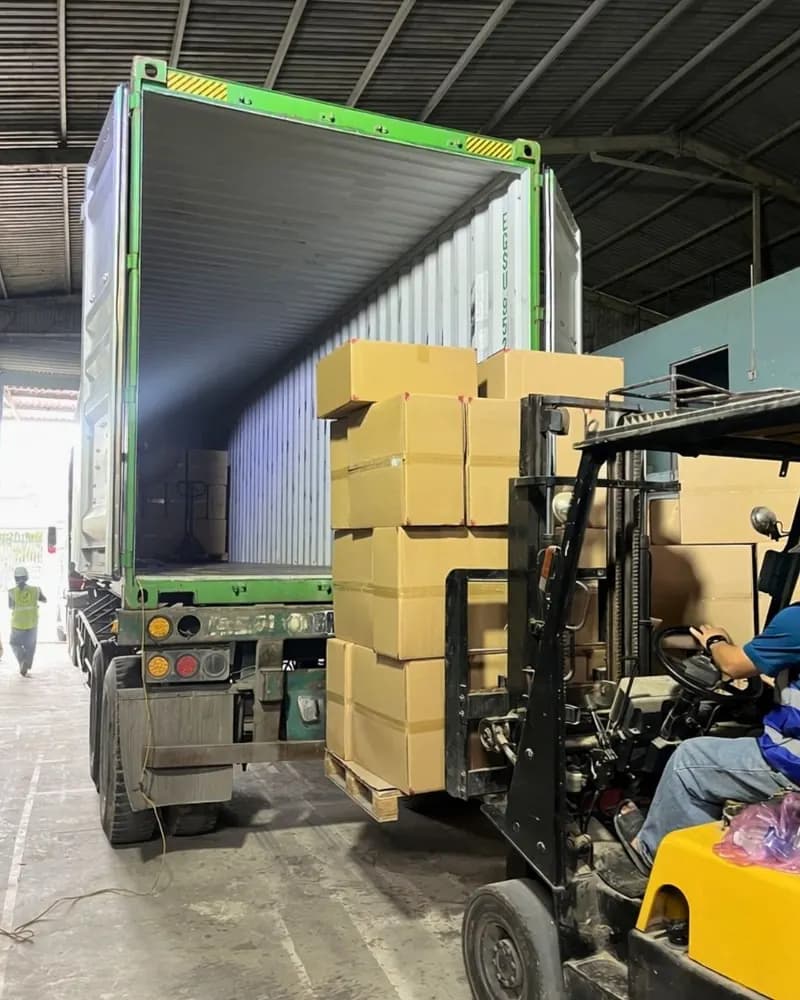
Shipping factory cartons straight into Amazon's fulfillment network cuts out a domestic handling step and its fee — which is exactly why it gets pitched as the obvious choice. It only works cleanly if everything upstream of the container was specified correctly, because there is no longer a checkpoint between the factory and the shelf to catch what was not.
What direct-to-FBA actually requires from the factory
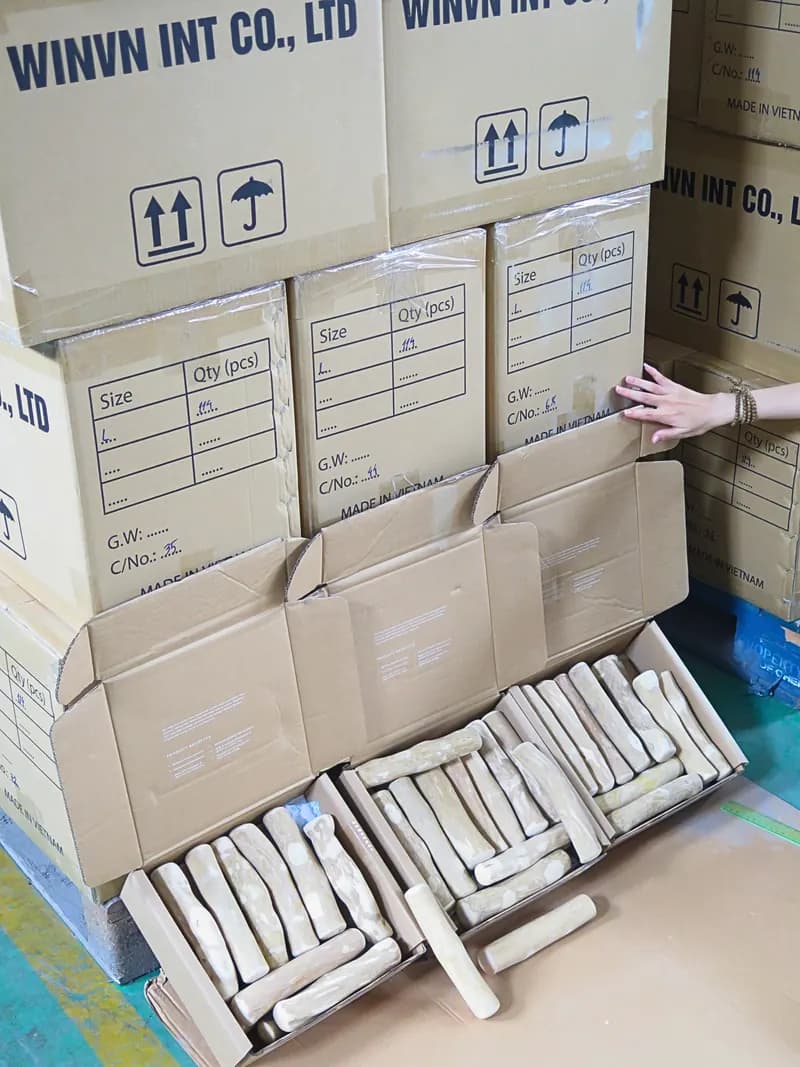
FNSKU labels applied at the correct position on each unit, carton labels matching Amazon's exact format, case-pack quantities matching what was declared in the shipping plan, and product packaging that already meets Amazon's prep requirements — poly bagging with suffocation warnings where required, for instance. Amazon-ready packaging covers the standard requirements; the point here is that direct-to-FBA means all of them have to be right on the first attempt, because there is no prep center between the container and the warehouse to fix a mislabeled case.
What a prep center is actually buying you
A second inspection point, closer to the destination and after the stress of a long ocean transit. A prep center catches a labeling error, a damaged carton, or a case-pack miscount before it becomes a rejected inbound shipment or a stranded-inventory problem at an Amazon fulfillment center — which is a slower and more expensive fix than catching it earlier. For a first order with a new supplier, that second checkpoint is often worth the fee simply because you do not yet have a track record of the supplier hitting every spec correctly on the first try.
When direct-to-FBA is the right call
Once a supplier relationship has a track record — several containers with consistent labeling, consistent case packs, no inbound rejections — the prep center fee is increasingly paying for a checkpoint that rarely finds anything. At that point, direct-to-FBA on a specification both sides have already proven out is a reasonable way to remove a cost line that is no longer earning its keep.
The middle ground most sellers skip
A hybrid approach — direct-to-FBA for a supplier's core, proven SKUs, and prep-center routing for anything new: a new size, a new bundle, a new packaging design — captures most of the savings while keeping the safety check exactly where the risk actually is. New specifications are where labeling and case-pack errors happen; established ones rarely need the extra step.
What to confirm before switching either way
Ask the supplier directly what percentage of their past shipments to your target country have gone direct-to-FBA without a prep center, and what happened when something was wrong. A supplier with real experience will have a specific answer, not a general assurance.
If you are weighing this for an upcoming order, request a quote and ask for FNSKU and case-pack labeling to be built into the production spec either way — that discipline is what makes either shipping route work.