Vietnam vs China vs India: Sourcing Natural Pet Chews by Country
Country comparisons for natural pet chew sourcing usually skip the one factor that actually drives coffee wood specifically: where the raw material comes from.
By WINVN · · 3 min read

Buyers comparing sourcing countries for natural pet chews usually default to labor cost and general manufacturing reputation. For coffee wood specifically, that's the wrong first filter — raw material proximity matters more, because coffee wood isn't a purpose-grown input, it's a byproduct of retired coffee trees, and a country either has that byproduct in volume or it's importing it as a secondary cost layer.
Raw material access, not just factory capability
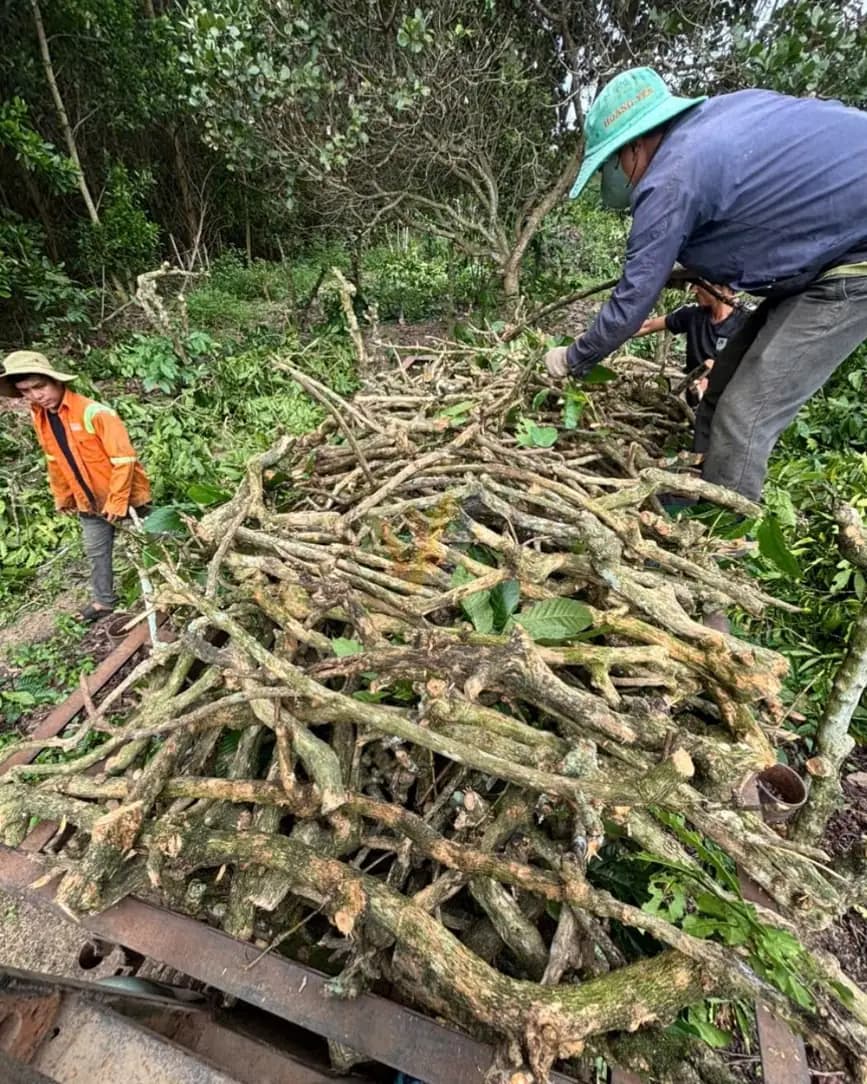
Vietnam is the world's second-largest coffee producer and the largest producer of robusta specifically, concentrated in the Central Highlands — Đắk Lắk and Gia Lai chief among them. Coffee farms there replant on a cycle, which means a steady, ongoing supply of retired trunk and root wood as a genuine agricultural byproduct, not a material grown to order. That has two practical effects on sourcing: raw material cost is comparatively stable because it isn't imported, and supply isn't dependent on a single harvest season the way a purpose-grown crop would be.
China is not a significant coffee-growing region. A China-based coffee wood manufacturer is, structurally, sourcing wood as an imported input — which shows up as either a cost premium, a supply consistency risk, or both. China's broader manufacturing base is genuinely strong for other natural chew categories (composite and processed chews especially), but that strength doesn't offset the raw material disadvantage for coffee wood specifically.
India grows coffee, mainly in Karnataka and Kerala, at meaningfully smaller volume than Vietnam. Its natural pet chew manufacturing base is developing but, for coffee wood specifically, is working with a materially smaller domestic raw material pool.
What this means for consistency, not just price
A manufacturer sourcing wood locally, as part of an established agricultural supply chain, has fewer points where a shortage or price spike can disrupt your order. A manufacturer importing the same raw material carries that exposure through to you — in price, in lead time, or in substituted material quality when the primary source runs short.
Where the comparison should stop mattering
Country-level advantages are a filter for narrowing a search, not a substitute for vetting the specific factory. A well-run manufacturer in a structurally weaker country can still outperform a poorly run one in a structurally stronger country — capacity, documented QC, and export experience are supplier-specific, not national attributes. Country comparison tells you where to look first; it doesn't replace verifying a supplier's actual production capacity before committing volume.
A quick reference
| Factor | Vietnam | China | India | |---|---|---|---| | Coffee wood raw material proximity | Strong — major robusta producer | Weak — not a significant coffee grower | Moderate — smaller coffee regions | | Typical cost driver | Raw material proximity | Labor/scale, offset by imported material | Developing infrastructure | | Manufacturing base for coffee wood specifically | Established | Stronger for other chew categories | Developing |
Where we source from
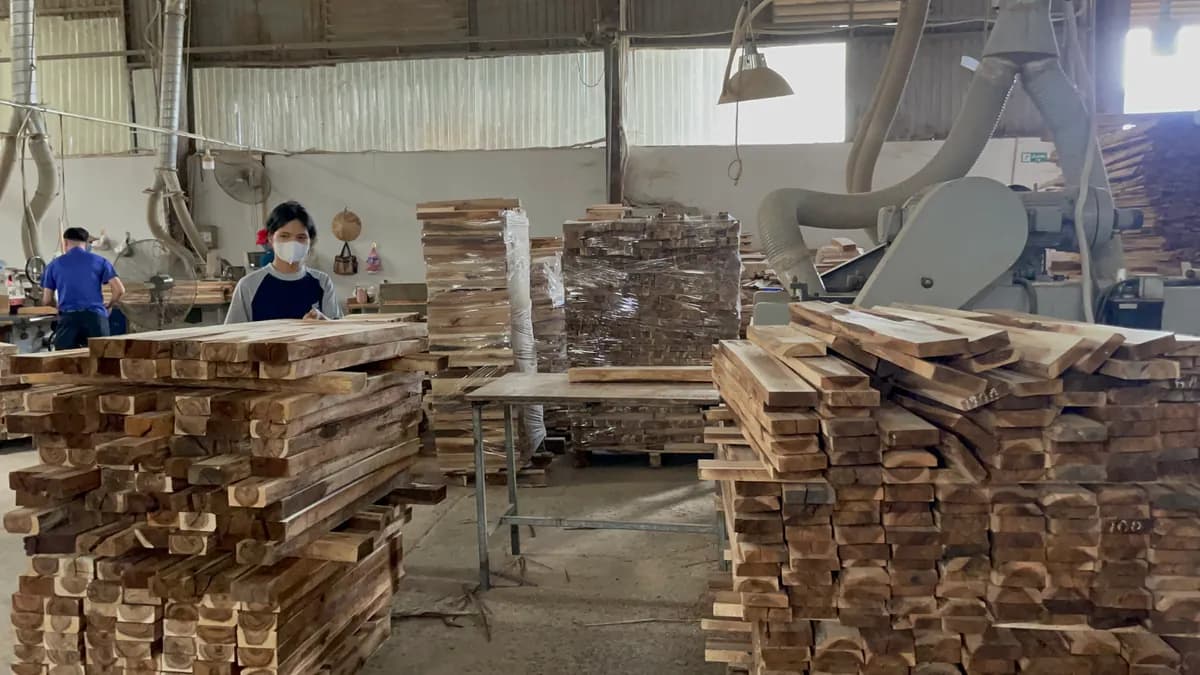
WINVN sources coffee wood directly from the Central Highlands — Gia Lai and Đắk Lắk — with factories positioned close to where the raw material actually comes from, not shipped in from elsewhere. If a country-level comparison is part of a broader sourcing decision, request a quote with your target spec and we'll walk you through both the material sourcing and the export process for your destination.