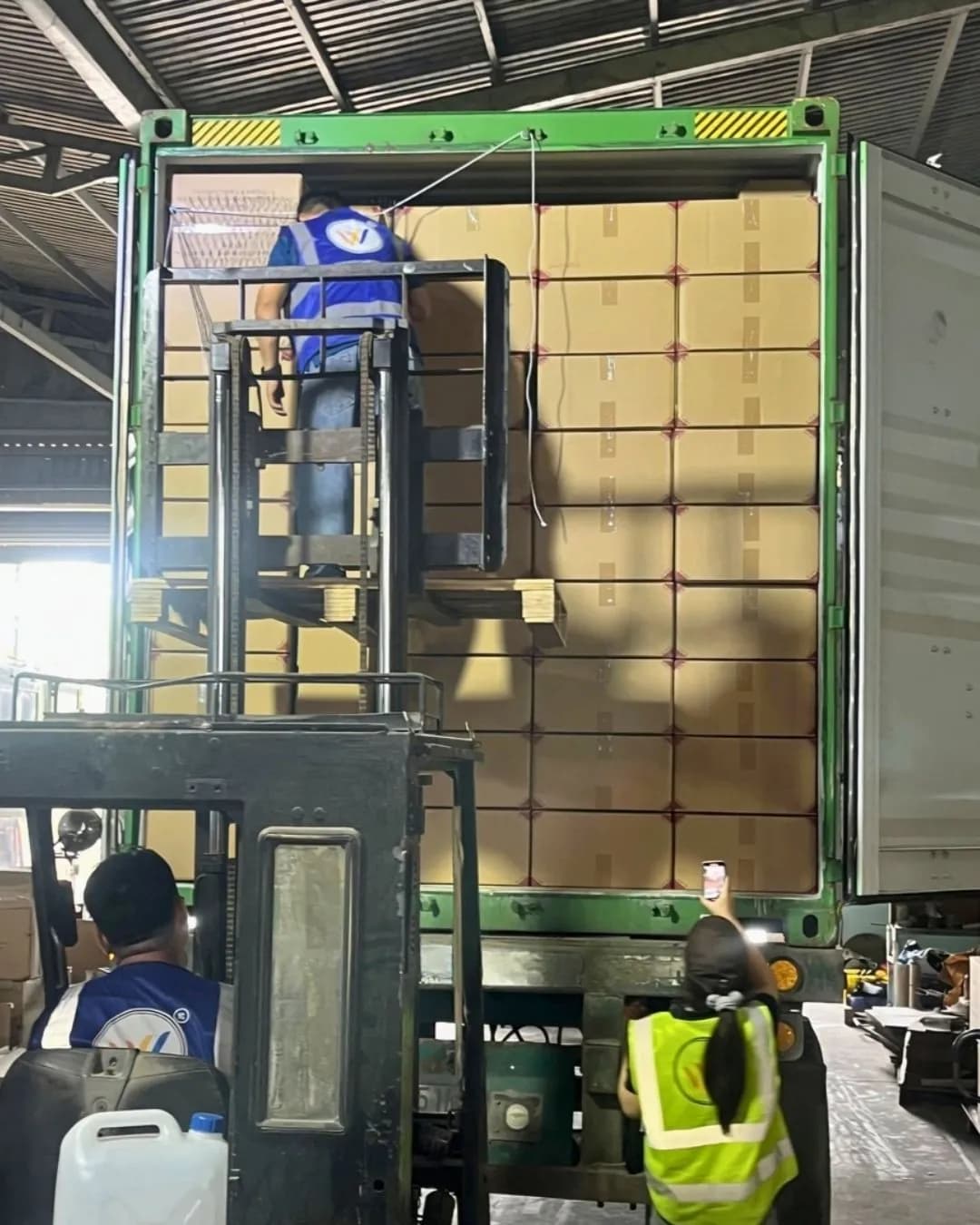
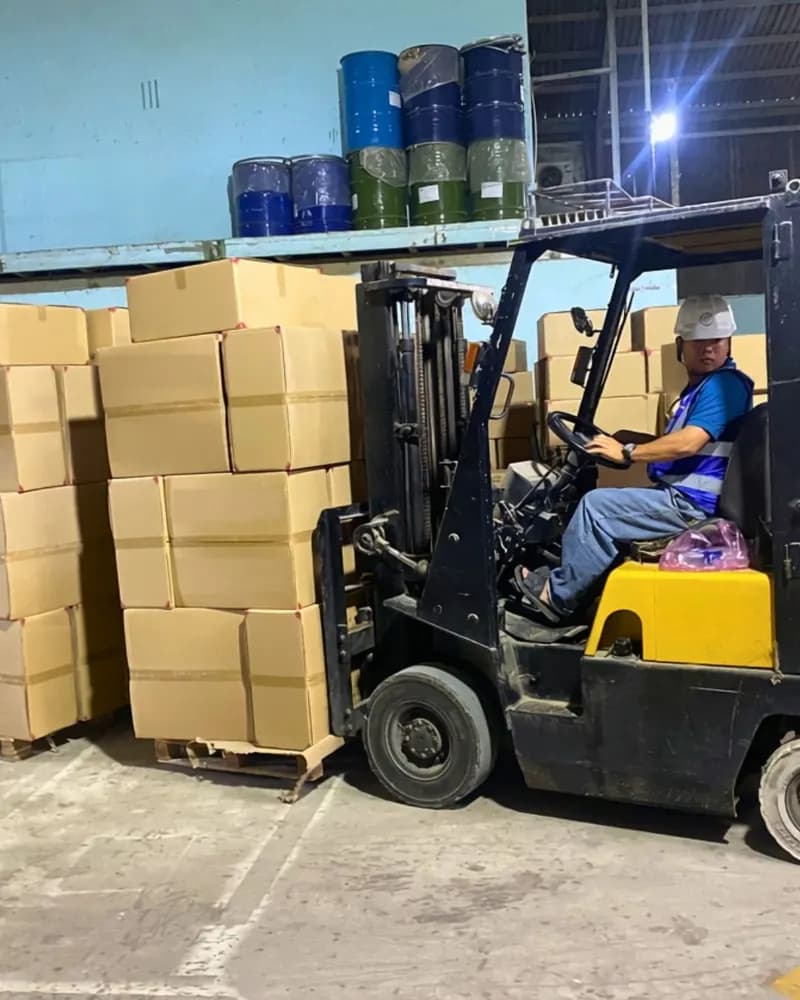
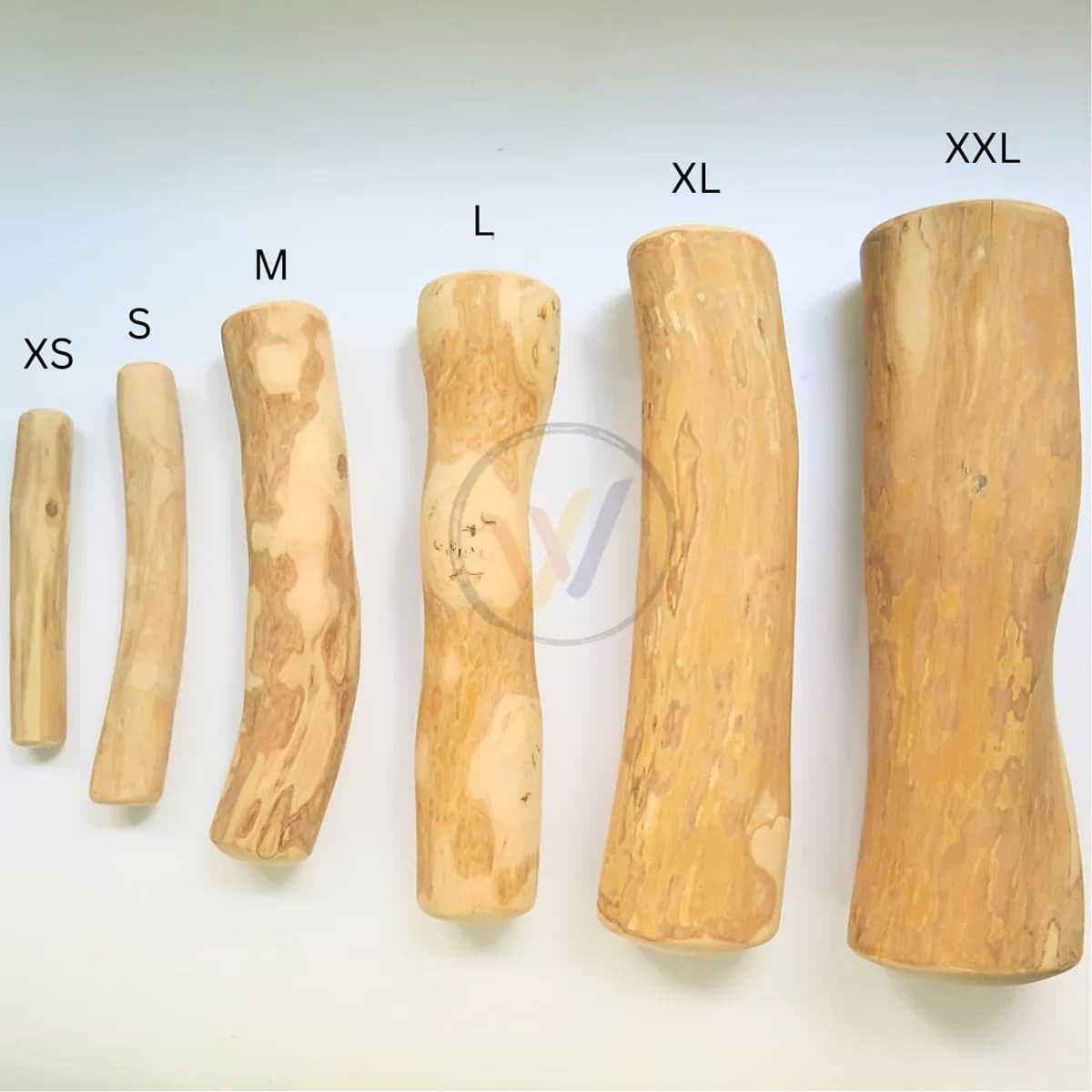
US Import Requirements for Coffee Wood Pet Chews: APHIS, CBP and HTS
Wood-based pet chews entering the US pass through plant health review before customs even looks at the tariff line. What to check before you book the shipment.
By WINVN · · 3 min read
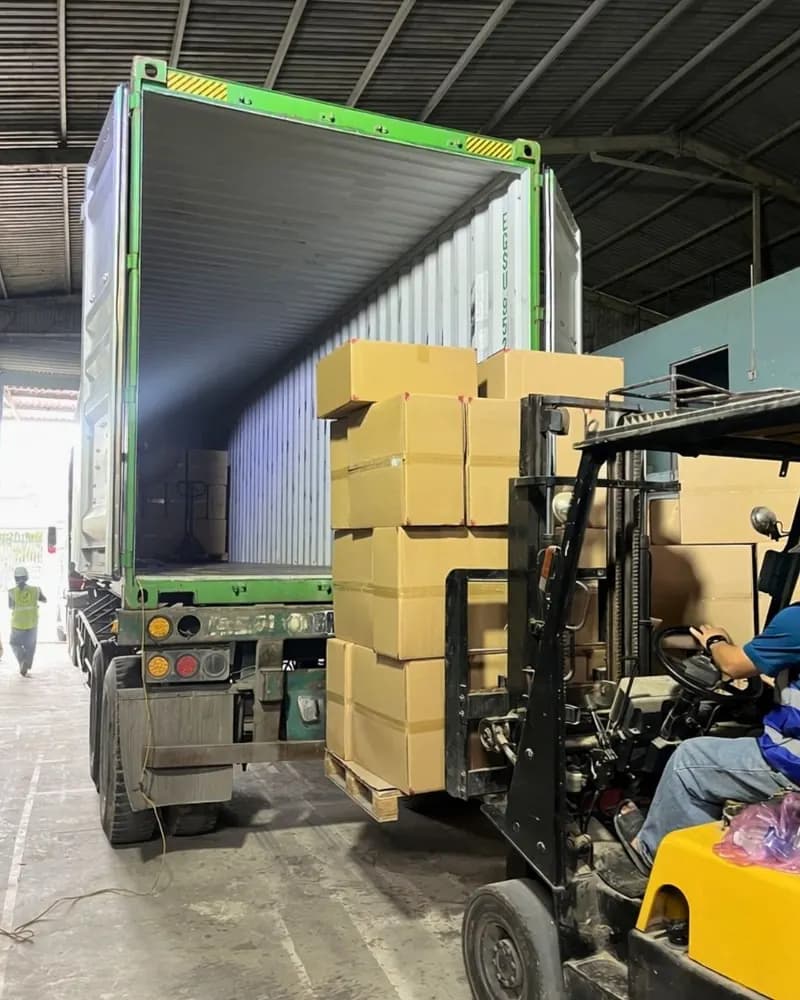
Coffee wood chews are a wood product before they are a pet product, and US import treats them accordingly. Most first-time importers plan around the tariff line and the FDA-adjacent pet product questions, then discover the actual hold risk sits with plant health review — a step that has nothing to do with the product being a dog chew at all.
The two-agency sequence
USDA APHIS reviews wood and wood-derived products for plant pest risk before the shipment is treated as a routine commercial entry. This is the step that produces a hold if documentation is missing, not a tariff dispute. US Customs and Border Protection (CBP) handles the commercial entry itself — classification, duty, and the paperwork match between your entry filing and the physical shipment.
The order matters operationally: a shipment can clear CBP's paperwork review and still sit at a port of entry pending APHIS clearance if the phytosanitary documentation doesn't match what the inspector expects.
What to have before you book the shipment
Phytosanitary certificate, issued by Vietnam's plant quarantine authority, confirming the wood has been inspected and, where required, treated to the standard the US accepts. Ask your supplier this directly and early — an exporter who has shipped coffee wood to the US before will have a specific, practiced answer, not a general one borrowed from a different destination market.
Correct HTS classification. Coffee wood chews are a processed wood pet product, and the tariff line a broker uses affects both duty rate and which agency flags apply on entry. Ask your supplier what classification they've seen used on prior US shipments as a starting point, then confirm independently with a licensed US customs broker — misclassification liability sits with the importer of record, not the exporter.
Commercial invoice, packing list and certificate of origin matched exactly to the phytosanitary certificate's product description. A mismatch between what the phyto certificate describes and what the invoice lists is a common, avoidable cause of a hold.
Questions worth asking before you commit volume
Has your supplier shipped this exact product to the US before, and can they name the port and roughly when? Do they issue the phytosanitary certificate as standard practice, or only on request — and how long does it take? Has an APHIS hold ever happened on one of their US shipments, and if so, what caused it?
A supplier who answers these with specifics — a port name, a typical certificate turnaround, a documented cause for a past hold rather than a denial one ever happened — is describing a real, repeatable export process. A supplier who reassures instead of answering is telling you this would be a first, not a routine.
Why "it cleared last time" is not a plan
APHIS and CBP requirements are not static, and a shipment that cleared cleanly eighteen months ago is not proof the same paperwork clears today. Reconfirm requirements with your broker before each new shipment, particularly if it has been more than a few months since your last order or if you're shipping a new product variant for the first time.
Where to start
If you're planning a first US shipment, request a quote with your destination port and we'll walk you through the phytosanitary and export document set we provide as standard — alongside a recommendation to confirm current APHIS and CBP specifics with your own broker before you book freight.