Tier Pricing: What to Negotiate Beyond Unit Price
Unit price is the smallest lever in a wholesale deal. What distributors should ask for once volume is committed — and what it costs a supplier to give.
By WINVN · · 3 min read
Most tier-pricing conversations stop at the unit price grid — order this many pieces, pay this much less per unit. That grid is the least interesting part of the negotiation, because it is the easiest thing for a supplier to offer and the easiest thing for a buyer to compare across quotes. The terms that actually protect a distributor's margin and cash flow over a year of reorders rarely show up on the first price sheet, because nobody asked for them.
What committed volume should actually buy you
Reserved capacity, not just a lower price. A price break on paper is worthless if the supplier cannot produce your order on the schedule you need it. Ask what capacity is reserved for you specifically once you commit to an annual forecast — not "we can usually fit you in," but a number of production slots held against your name.
A written specification the price is pegged to. Unit price should be tied to a documented spec — dimensions, moisture range, packaging weight, count per carton — not a verbal description of "the same as last time." Without this, a supplier under cost pressure has room to quietly substitute a cheaper material grade or a looser tolerance while holding the price steady, and you have no document to point back to.
Payment terms that match your own cash cycle. If you are extending 30 or 60-day terms to your own retail accounts, paying 100% upfront or on shipment to your supplier creates a cash gap that a small price discount does not offset. This is worth negotiating explicitly against your committed volume, separately from the unit price line.
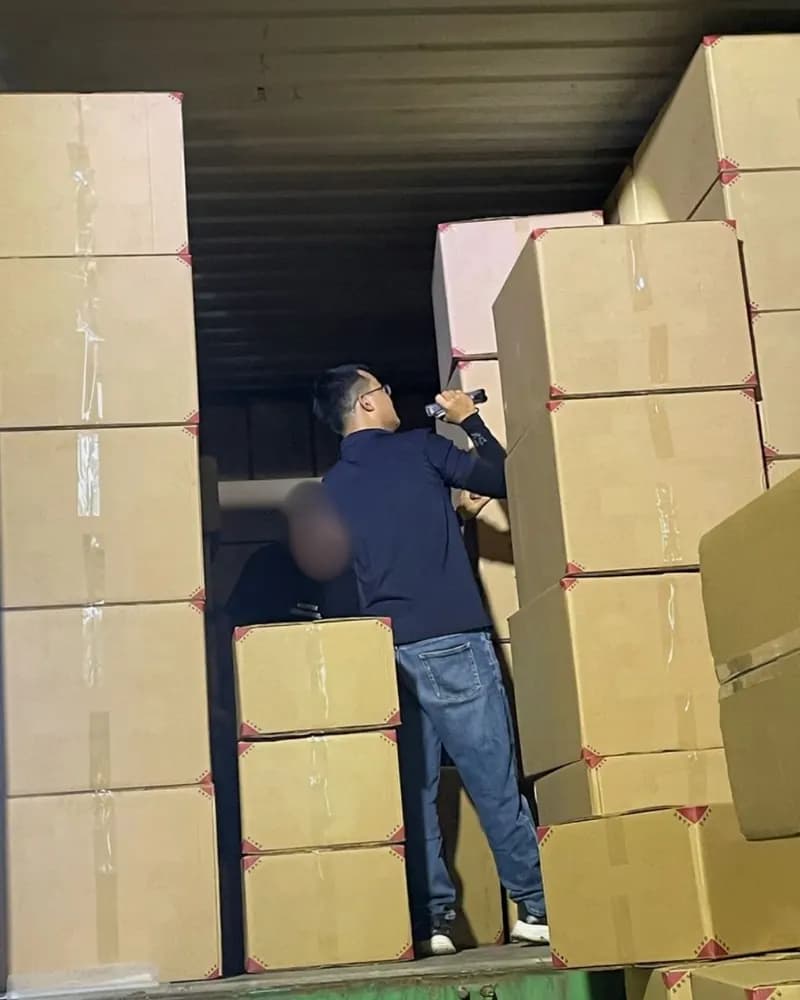
A pre-shipment inspection you can act on. Ask whether inspection happens before the container is sealed, and whether you receive the inspection report before final payment is due, not after. A report that arrives once the goods are already at sea is documentation, not protection.
Escalation terms for a batch that fails your own spec. Not "we will look into it" — a specific remedy, defined before the first order ships: replacement, credit against the next order, or a defined percentage adjustment, tied to a measurable failure rate rather than a subjective judgment call.
What tier pricing should be priced against
A realistic annual forecast, not a hoped-for one. A supplier pricing against volume you do not actually order every quarter is pricing against a number that will not hold — and the relationship that results is one where you are perpetually explaining why this quarter's volume came in lower than projected. Send a number you can actually commit to and negotiate honestly from there.
What this looks like on our side
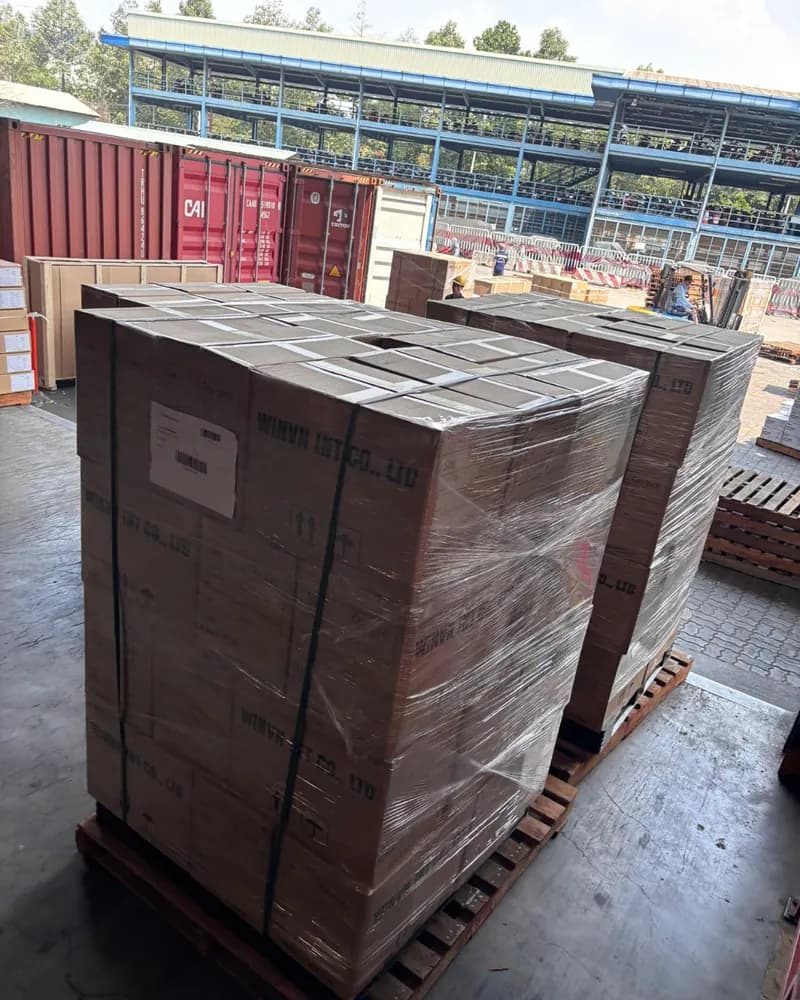
Tier pricing here is set against committed volume with a documented forecast, backed by 5-6 million pieces a year of capacity across our product lines, a written specification checked at five stages of production — raw material, in-process, semi-finished, final product and pre-shipment — and warehousing in Ho Chi Minh City, Long An and Binh Duong for scheduled release against a standing order. Natural wood will always vary in colour and grain; what a written specification controls is dimension, moisture, finish and count, which is what a distributor's customers actually notice.
Where to start
If you have an annual forecast and want tier pricing quoted against it — with capacity, terms and inspection built into the conversation rather than left out of it — request a quote with the number and we will price against it directly.