South Korea Import Requirements for Natural Pet Chews
Wood-based pet chews entering South Korea go through quarantine inspection tied to origin documentation. The sequence that keeps a shipment moving through customs.
By WINVN · · 2 min read
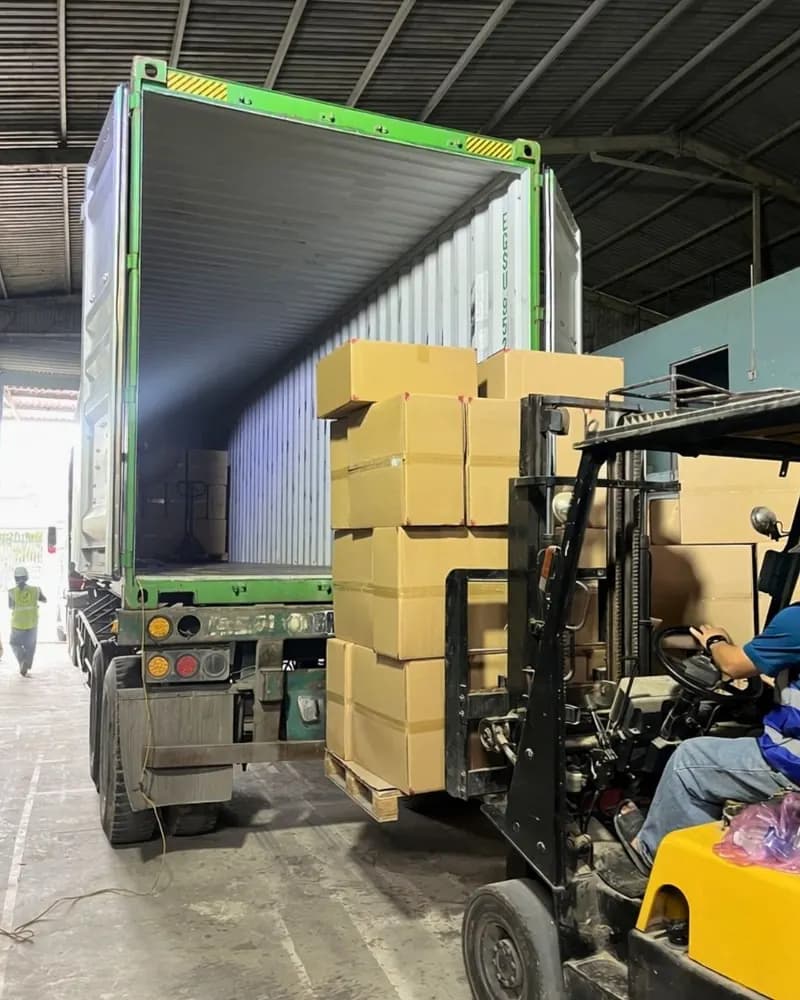
South Korea's approach to wood-based pet products follows a similar logic to Japan and Australia — plant-material products are checked against quarantine requirements before general customs clearance — but the specific documentation and agency differ enough that assuming the Japan process transfers directly is a common and avoidable mistake.
The quarantine step, and why it comes first
Wood and plant-fiber pet products entering South Korea are generally subject to inspection coordinated through the Animal and Plant Quarantine Agency (APQIS), which checks for pest risk and compliance with phytosanitary requirements before the shipment is released to general customs. This step exists independently of the commercial customs process, and a shipment that clears customs paperwork but fails quarantine inspection is still held.
What documentation typically needs to be in order
A phytosanitary certificate from the exporting country, matching the declared product and origin exactly, is usually the anchor document quarantine authorities check against. Any mismatch between what is declared on the certificate and what is physically in the shipment — species, treatment method, quantity — is the most common cause of a hold at this stage, not an actual pest finding.
Where importers get caught out
Assuming a phytosanitary certificate is generic across destinations. A certificate prepared for one market's requirements does not automatically satisfy another's. Confirm with the supplier that the certificate is being prepared specifically against South Korea's current requirements, not reused from a template built for a different destination.
Not confirming the product's regulatory classification before ordering. As with China's GACC system and Japan's plant quarantine rules, how a product is classified determines what documentation applies to it. A classification confirmed for a previous order is not guaranteed to still apply — this is the same principle covered in why regulations must be rechecked before every shipment.
Underestimating the timeline quarantine inspection adds. Even a shipment with correct documentation typically sits through an inspection window that adds real days to clearance. Building this into a reorder schedule prevents it from becoming a stockout risk on the retail side.
What to ask a supplier before a South Korea order
Whether they have current experience shipping to South Korea specifically — not just the region generally — and whether they can produce a phytosanitary certificate matching APQIS's current requirements before production is finalized. A supplier who has actually shipped to this market recently will know the current documentation format; one who has not will be guessing from general export experience.
If you are planning a South Korea order, request a quote and ask for confirmation of current APQIS documentation requirements before committing a ship date — this is one of the cheaper things to confirm early and one of the more expensive things to discover wrong at the port.