Choosing Your First Private Label Pet SKU
Launching with one SKU forces a decision most new brands avoid: which product actually proves demand without tying up capital in the wrong inventory.
By WINVN · · 2 min read
A new pet brand usually has a range in mind before it has a first order placed, and that is the wrong order of operations. The range is a plan for after the first SKU proves something. Before that, the only question worth answering carefully is which single product to launch with — because the wrong first SKU does not just underperform, it ties up capital and shelf space that a better choice would have freed for the second and third product.
What the first SKU actually needs to do
It is not the job of the first SKU to represent the full brand vision. Its job is to sell repeatedly, at a size and price a new customer will try without much hesitation, so the brand gets real sales and review data before committing further inventory dollars. A flagship, higher-price, harder-to-explain product is a second or third SKU decision, made once there is a customer base to sell it to.
A short filter for picking it
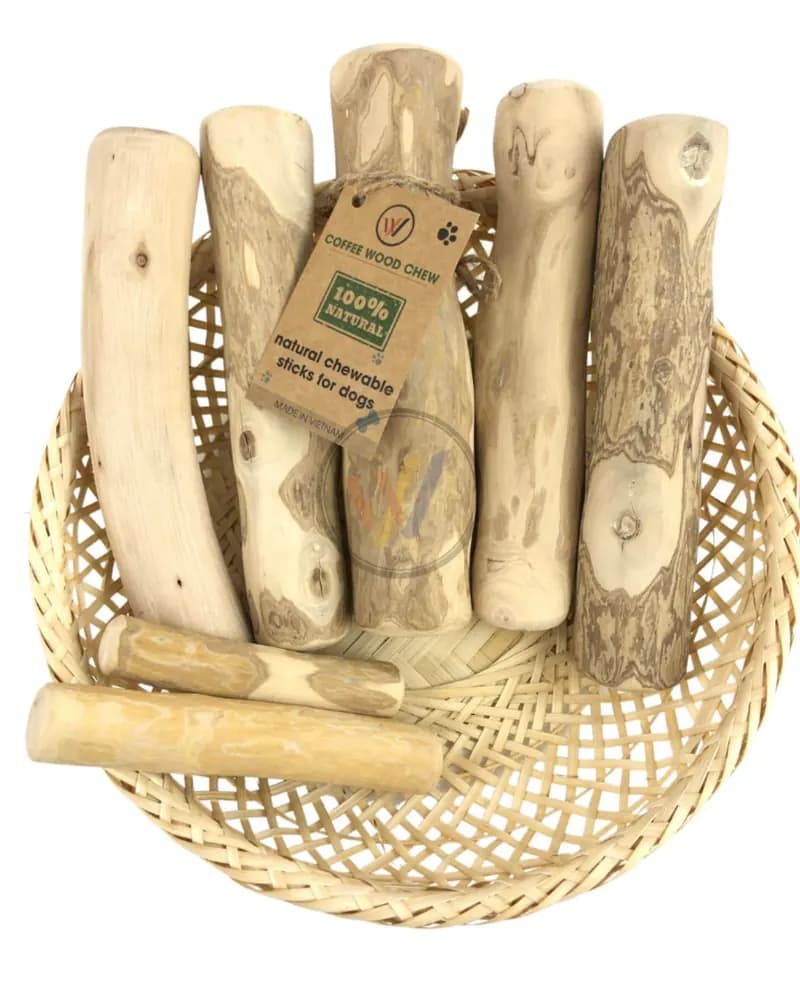
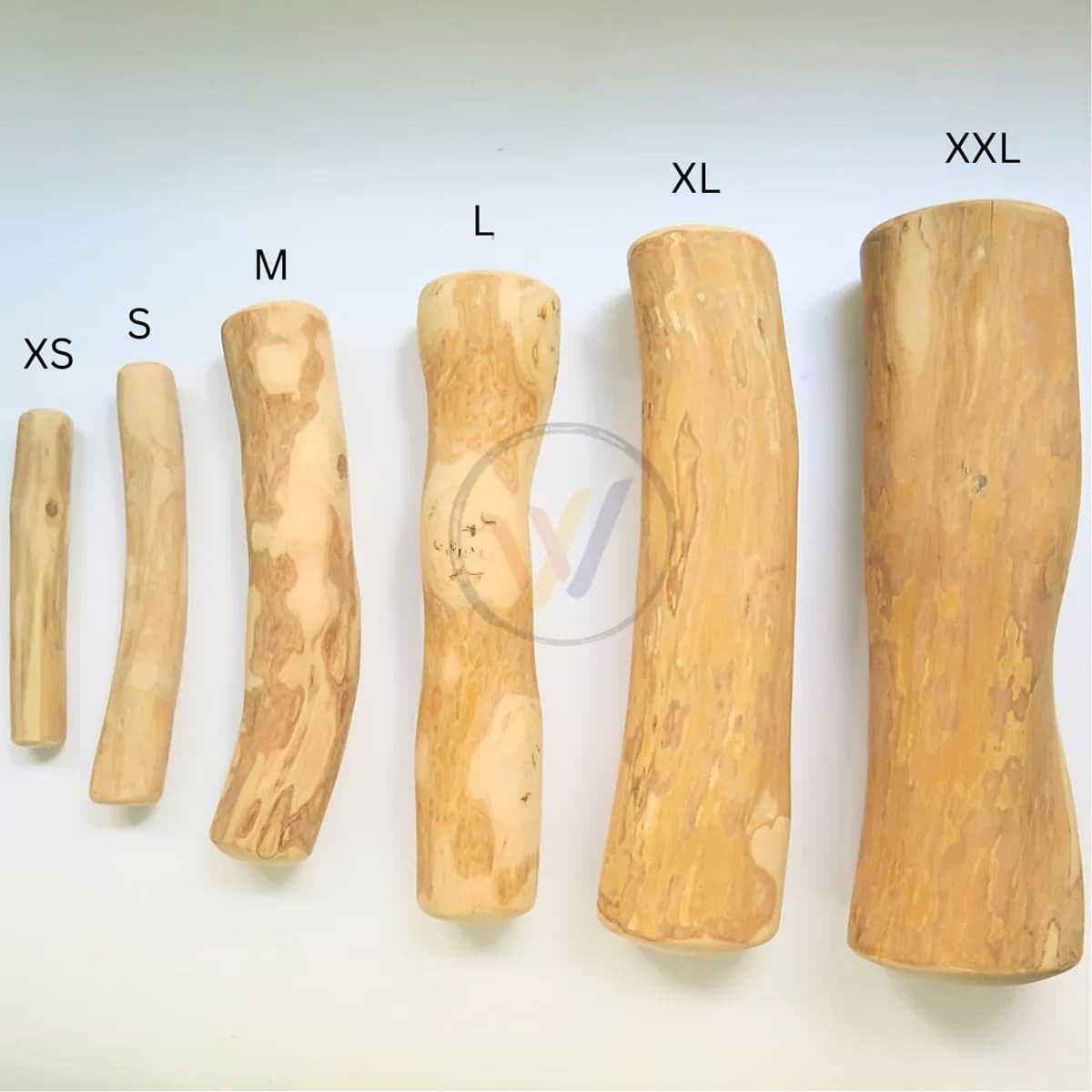
Widest size or use-case fit. A coffee wood chew in a mid-size range fits more dogs than an XS-only or XXL-only offering, which means it converts more of whatever traffic a new listing gets. Size mixes matter more once there is data on who is actually buying.
Lowest explanation burden. A product a customer understands from the photo and title, without reading three paragraphs of copy, converts better on a new listing with no reviews yet to build trust. Save the products that need more explanation for once the brand has some.
Reorder frequency. A consumable chew that gets replaced every few weeks builds repeat-purchase data faster than a toy that lasts a year — and repeat-purchase data is what tells you whether the brand has real retention, not just a first-sale spike.
MOQ you can actually afford to be wrong about. The first SKU should be ordered at the smallest quantity that still gets a workable unit cost, not the quantity that gets the best price. Low-MOQ sourcing covers how to structure that first order so being wrong about size or demand does not sink the launch.
What this rules out, deliberately
Gift sets, bundles and multi-material assortments look impressive in a pitch deck but carry more packaging complexity, higher MOQ and more ways for a first order to go wrong. They are a strong second-SKU decision once the first product has proven what your actual customer wants — not a strong first move.
When to add the second SKU
That is a separate decision with its own math, covered in the second-SKU margin framework. The short version: not before the first SKU has enough sales history to tell you what it is missing.
If you already know the size and market you are targeting, request samples of two or three size options rather than committing to one on a spec sheet alone — holding the product is still the fastest way to confirm the choice.