Auditing Batch Consistency After Container One
A first container is rarely the problem. Here is what to check on the second and third order before deciding whether a supplier has a consistency problem.
By WINVN · · 3 min read
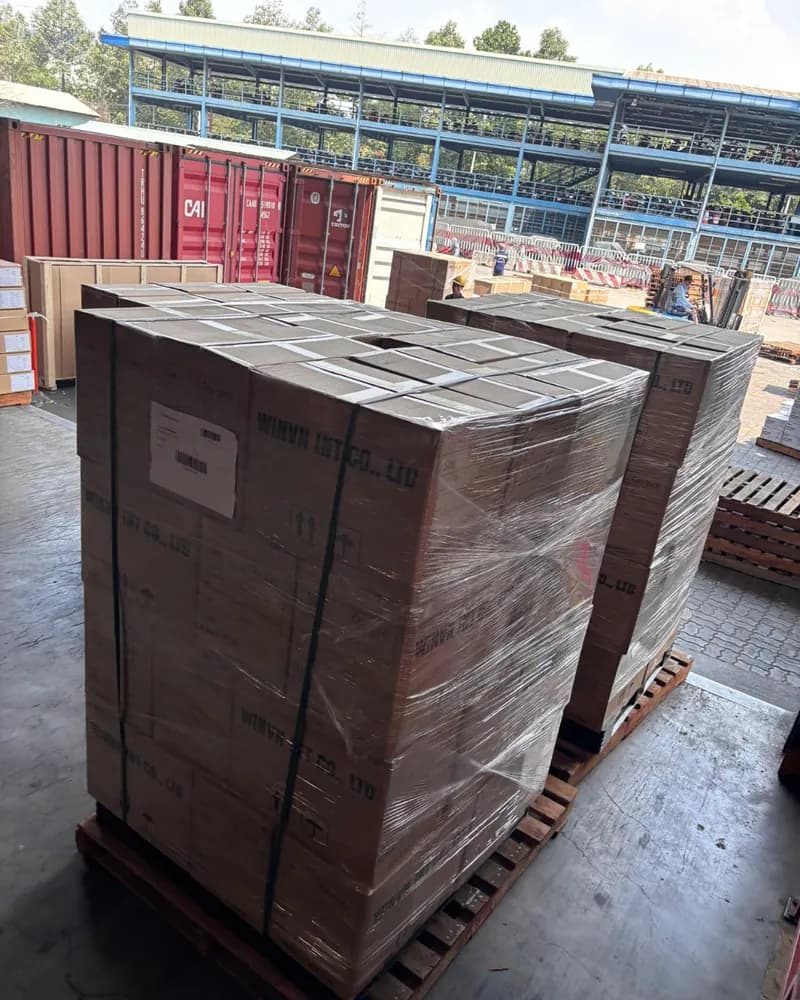
An excellent first container and a mediocre second one is the single most common complaint distributors raise about wood and natural-material suppliers — more common than a bad first order, because a bad first order ends the relationship before it starts. The second-container problem is what actually damages an account: the customer who reordered based on container one now has container two on their shelf, and the difference is visible to them before it is confirmed by you.
Before concluding a supplier has a consistency problem, it is worth auditing what "consistency" should actually mean for a natural material — because some of what looks like a defect is normal variation, and conflating the two leads to the wrong fix.
What is supposed to vary, and what is not
Natural wood will always vary in colour and grain from batch to batch — that variation comes from the material, not the process, and no amount of quality control removes it without switching to a treated or dyed product, which defeats the purpose of selling it as natural in the first place. A specification should never promise colour uniformity on a natural material; if one did, that promise was the first mistake.
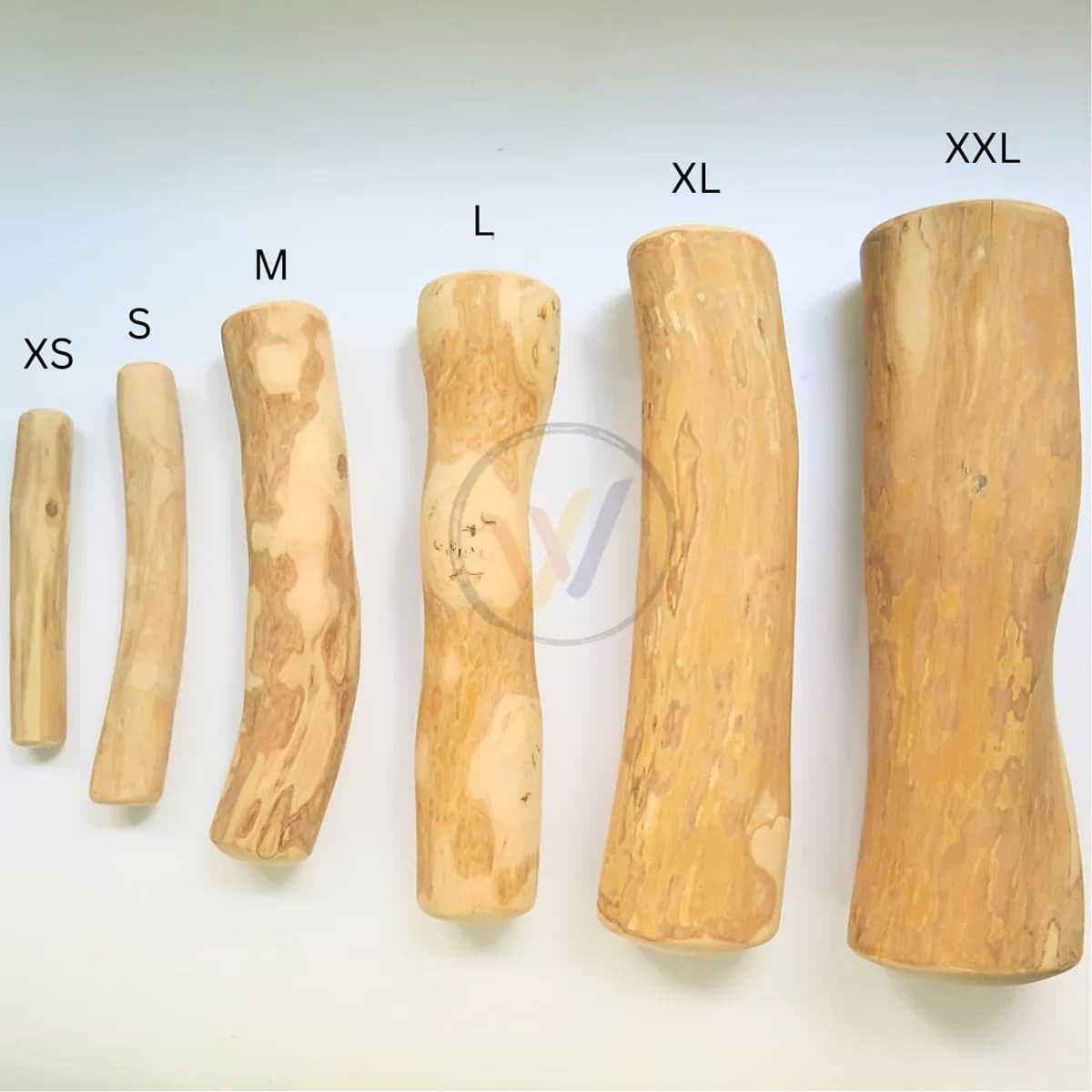
What a specification should control, and what a real consistency problem shows up in, is dimension, moisture content, finish quality and count per carton. These are process variables, not material variables — a supplier with a real five-stage inspection process controls them regardless of which batch of raw material came in that week.
The audit, container by container
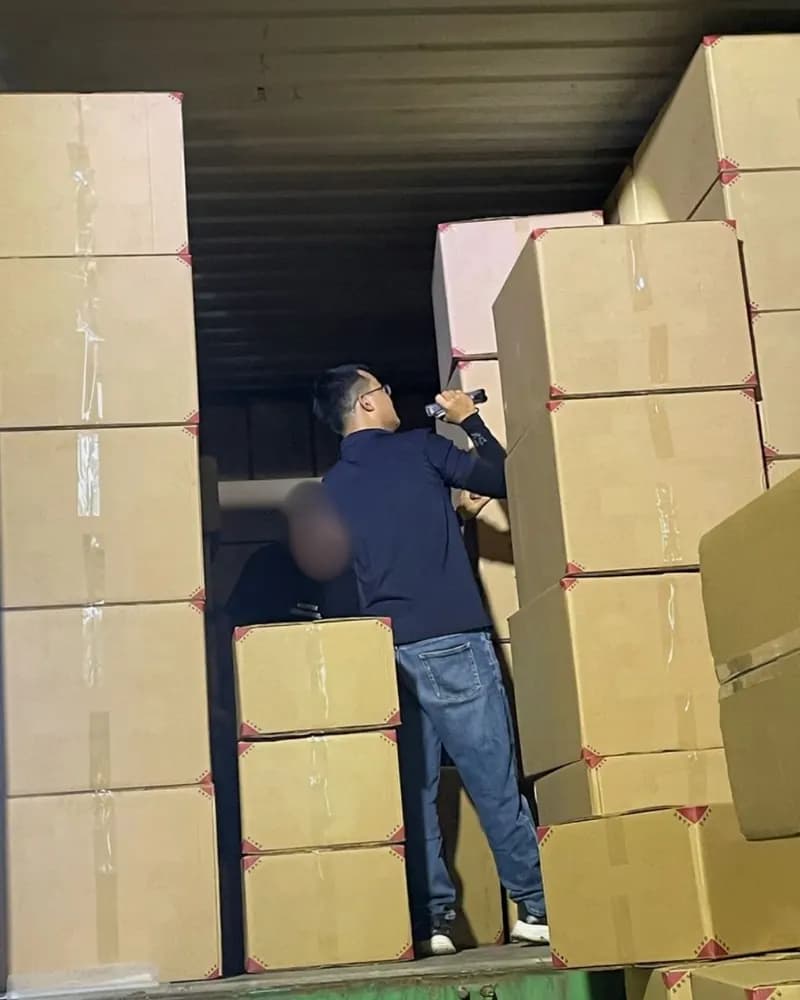
Pull the pre-shipment inspection report for both containers and compare them line by line. Not just "did we get one" — compare the actual measurements. If moisture readings, dimension tolerances or defect rates moved meaningfully between the two reports, that is a documented signal, not a suspicion.
Check whether the second container was measured against the same specification as the first. If the first order's spec was informal — "match this sample" — and the second was produced against a different or looser interpretation of it, the inconsistency may be a specification failure rather than a production failure. This is fixable by tightening the document, not necessarily by changing supplier.
Sample-check received goods against the inspection report, not just against the first container. A supplier's own report should be verifiable. If your own spot-check of received goods matches what the pre-shipment report claimed, the supplier's inspection process is doing its job even if the batch itself looks slightly different from the last one.
Ask what changed between orders. A raw material season change, a new production line, a subcontracted process step — a supplier who can name the specific change is describing a real process. One who cannot is either not tracking it or not willing to say.
Where the fix actually lives
If the audit shows a genuine drift in dimension, moisture or defect rate, the fix is a tightened written specification with measurable tolerances, checked at multiple stages rather than once at the end — raw material, in-process, semi-finished, final product and pre-shipment. That is the standard we hold every order to, on the reasoning that a distributor's second and third order are the ones that actually build or break an account, not the first.
Where to start
If you want a second opinion on whether a variation between shipments is normal material behaviour or a process problem, request samples of a current production run alongside your existing stock and compare them directly — that comparison tells you more than a description ever will.