เอกสารส่งออก
ดูรายละเอียด
กำลังจะเปิดตัวสินค้าสัตว์เลี้ยงจากวัสดุธรรมชาติใช่ไหม เริ่มจากตัวอย่างและยอดสั่งขั้นต่ำที่ไม่สูง ขอตัวอย่างสินค้า
Import checklist
Which certificates each destination expects, when they have to be arranged, and what to verify yourself.
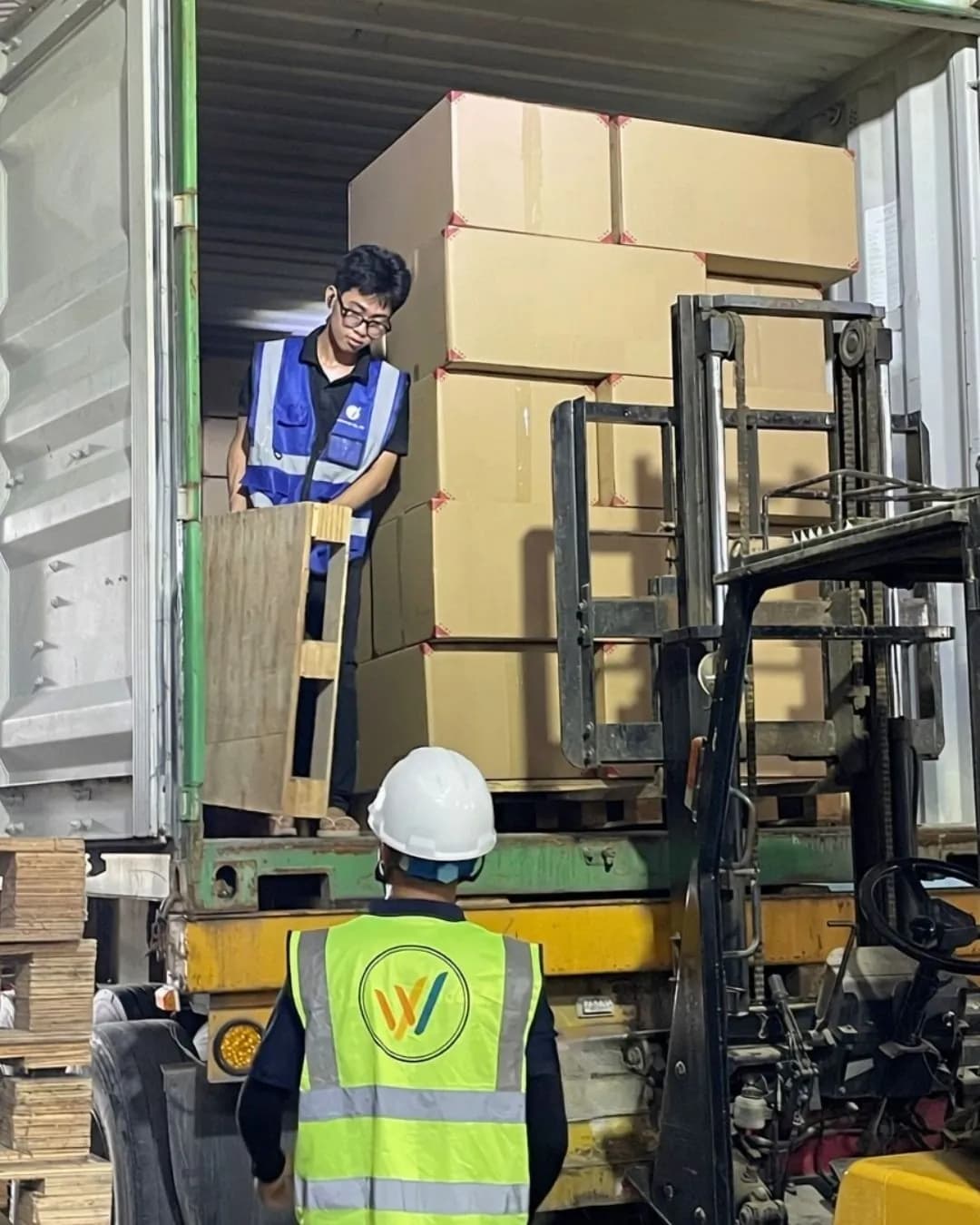
Phytosanitary inspection happens on the actual goods, so the requirement has to be known before the order is made. This is the single most common and most expensive sequencing mistake in this category: paperwork treated as an afterthought becomes a container in bond.
Commercial invoice and packing list describe the consignment. The bill of lading is the carrier's transport document. A certificate of origin (Form B, Form VJ for Japan, EUR.1 for the EU, Form D for ASEAN) establishes where the goods were made, which drives duty. A phytosanitary certificate confirms plant-health inspection. A fumigation certificate records treatment where the destination mandates it. A forest-product declaration covers timber legality where that is enforced.
Australia's BICON conditions are specific and change; verify the current case before the order is placed. China's GACC requirements shift too. The EU Deforestation Regulation affects timber legality documentation. Japan's plant quarantine regime is enforced properly. None of these are reasons not to sell into those markets - they are reasons to ask early.
We prepare the documents and recheck requirements before each shipment. But the importer of record carries the legal responsibility at the border, so your own customs broker should verify current rules independently. This is not us passing the buck: two sets of eyes on a changing rulebook is what prevents port holds, and only one of those sets is on your side of the customs line.
Recheck before every shipment rather than assuming from the last one. Regulations get revised, HS classifications get reinterpreted, and 'it cleared last time' is not a compliance strategy.
Form B, Form VJ for Japan under the Viet Nam–Japan EPA, Form D for ASEAN, and others by destination. Establishes that the goods originate in Viet Nam for customs and duty purposes.
Issued by Viet Nam's Plant Protection Department. Required by most destinations for wood and plant-based products, confirming the consignment was inspected and found free of specified pests.
Issued by an accredited fumigation company. Records the treatment applied, the dosage, the exposure period and the container treated. Required where the destination mandates treatment of wooden goods.
The transport document issued by the carrier. Included here as an example of the shipping paperwork that accompanies an order rather than as a compliance document.
Gives preferential duty treatment on qualifying goods entering the EU under the EU–Viet Nam Free Trade Agreement. Confirm the current rate with your own customs broker before pricing.
Laboratory analysis supporting the no-caffeine statement on coffee wood products. Ask us for the current report.
Laboratory analysis supporting the non-toxic statement on coffee wood products. Ask us for the current report.
Declares the legal origin of the wood. Required by destinations enforcing timber legality regulations such as the EU Deforestation Regulation.
ดูรายละเอียด
ดูรายละเอียด
Tell us where to send it and we will email the current version, plus the size chart for your market.
เราใช้คุกกี้ที่จำเป็นเพื่อให้เว็บไซต์ทำงานได้ และคุกกี้วิเคราะห์เพื่อดูว่าหน้าใดเป็นประโยชน์กับผู้ซื้อ คุณปฏิเสธคุกกี้วิเคราะห์ได้ และเว็บไซต์จะยังใช้งานได้ครบทุกส่วน