EUR.1 and the EU Duty Question for Retailers
What a EUR.1 movement certificate does to landed cost on natural pet products from Vietnam, who qualifies, and what to confirm before pricing an EU order.
By WINVN · · 3 min read
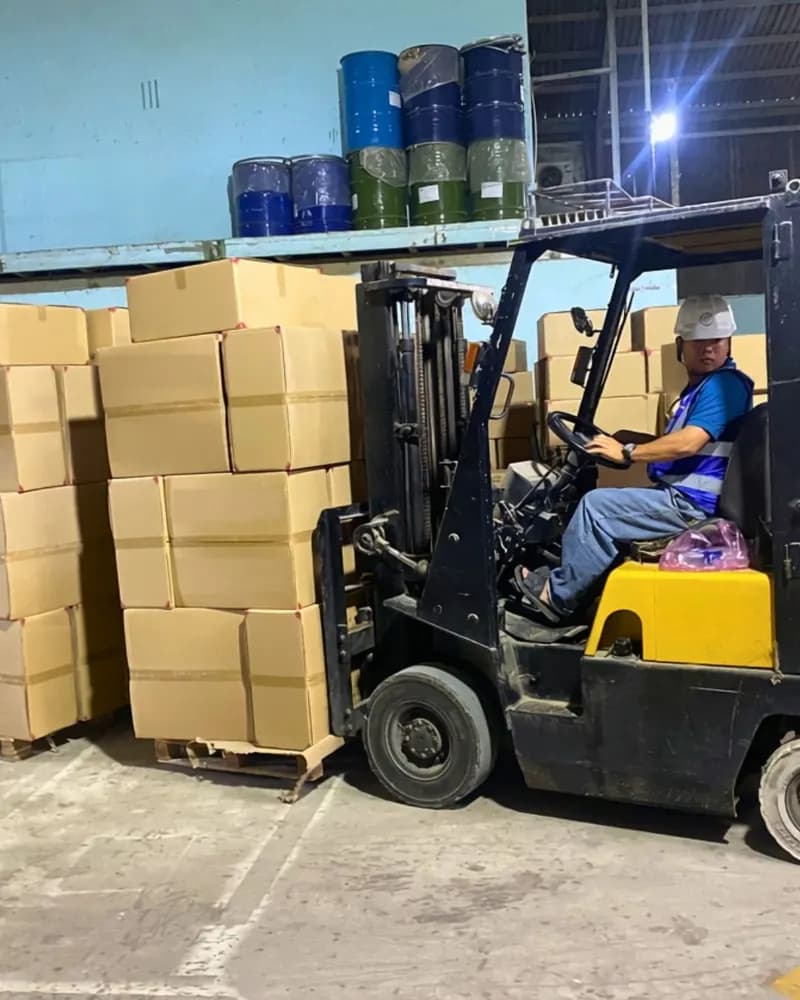
A European retailer pricing a natural pet product import from Vietnam often prices against the standard duty rate by default, without checking whether a preferential rate applies — which can leave real margin on the table before the first order is even placed.
What EUR.1 actually is
A EUR.1 movement certificate is a document that certifies goods qualify for preferential tariff treatment under the EU-Vietnam Free Trade Agreement, based on rules of origin — broadly, that the product was substantially produced or transformed in Vietnam rather than merely assembled or repackaged there. For qualifying natural pet products, this can mean a meaningfully reduced or eliminated duty compared to the standard rate applied without the certificate.
Why this changes retail pricing, not just import cost
Duty is one of the larger non-product costs in a landed-cost calculation for an EU import, and it applies as a percentage, which means it compounds with freight and handling rather than sitting as a flat line. A retailer who prices against the standard rate, when the shipment actually qualified for the preferential EUR.1 rate, is either underpricing their own margin or overpricing the shelf compared to what the true landed cost would support — both are worse than knowing the correct number upfront.
What to confirm before pricing an order
Does the specific product qualify under the current rules of origin? Rules of origin are product-specific and can be technical — not every product manufactured in Vietnam automatically qualifies, depending on the materials and processing involved. Ask the supplier directly whether EUR.1 has been issued on this product line before, and ask to see a redacted example of a prior certificate rather than taking a verbal yes.
Is the certificate prepared per shipment, and by whom? EUR.1 is issued shipment by shipment, not once for a supplier relationship generally. Confirm your supplier prepares it as a standard part of the document set for EU shipments, not as a special request that adds time to the order.
What is the current duty rate, with and without the certificate? Tariff schedules and preferential rates are reviewed periodically. The rate that applied on a shipment last year is not guaranteed to be the rate that applies on the next one — this is worth reconfirming with your own broker at the time of each order, not assumed to be static.
Does your broker actually apply it at clearance? A EUR.1 certificate that exists on paper but is not correctly submitted and applied during customs clearance provides no benefit. This is worth confirming with whoever is clearing the shipment on your end, since it is not automatic.
What this looks like alongside the rest of the document set
EUR.1 sits alongside the standard shipment documents — commercial invoice, packing list, bill of lading, phytosanitary certificate and fumigation certificate where required — rather than replacing any of them. A supplier who prepares EUR.1 routinely for EU-bound shipments should be able to hand you a redacted example without difficulty; one who cannot may not have issued it before, which is worth knowing prior to committing to a price.
Where to start
If you are pricing a first or upcoming EU shipment and want to know whether your specific product line qualifies for EUR.1 treatment, request a quote with your destination and product — we will confirm what the current document set looks like and what it does to your landed cost before you finalize retail pricing.