Plastic-Free Shelf Reset for Eco Pet Shops
Replacing plastic dog toys with natural SKUs without losing shelf velocity — a sequencing plan for eco retailers who cannot afford dead stock during the switch.
By WINVN · · 3 min read
Deciding to go plastic-free is the easy part of the decision. The part that actually determines whether it works commercially is the reset itself — the weeks where old plastic stock is being sold down while new natural SKUs are being introduced, and a shelf that looks half-transitioned can sell worse than either the old range or the finished new one.
Why a full swap on one date usually backfires
Replacing an entire toy category overnight means committing to a full order of unproven natural SKUs before you know which sizes, shapes and price points your specific customers respond to. If the mix is wrong, you are holding dead stock in exactly the category you were trying to fix, which is a worse outcome than a slower, staged transition.
A sequencing plan that protects shelf velocity
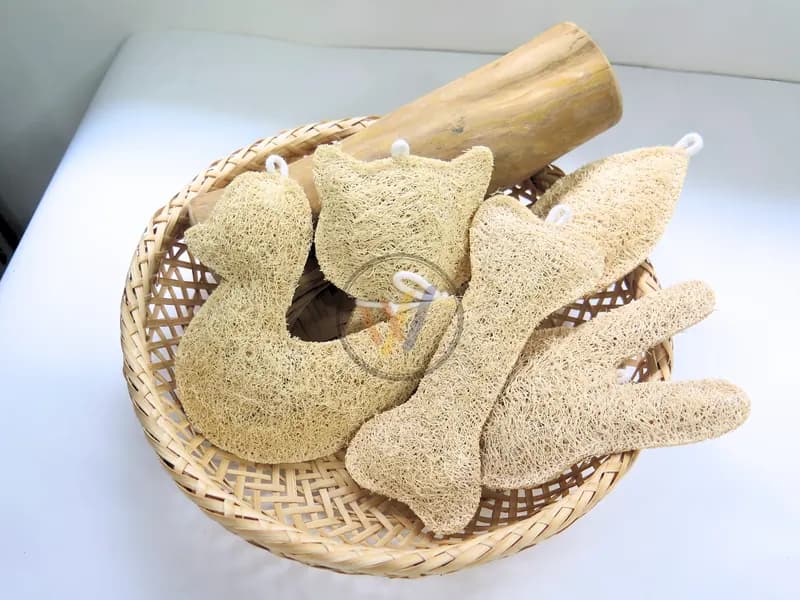
Start with the SKU that has the clearest natural substitute, not the whole category at once. A plastic rope toy has a near-direct natural equivalent in coconut fiber or hemp rope. A plastic squeaky toy does not — there is no honest natural substitute for that specific play pattern, and forcing one onto the shelf undermines the credibility of the whole transition. Swap what has a genuine equivalent first.
Run the natural SKU alongside the plastic one before removing the plastic one. A shelf-adjacent trial tells you, with real sales data from your own customers, whether the natural version sells at a comparable rate before you commit to discontinuing the plastic version entirely. This costs a small amount of shelf space temporarily and saves a much larger inventory mistake.
Price the natural SKU on its story, not just its cost. A natural product usually costs more landed than its plastic equivalent, and a customer who does not understand why will treat the price difference as a markup rather than a material difference. The shelf tag and any in-store signage need to carry the material's actual origin story — where it comes from, why it is different — or the price premium reads as unjustified.
Sequence packaging alongside product. A genuinely plastic-free product wrapped in a poly bag undercuts the entire message, and eco-conscious customers notice this specifically. Kraft and recycled packaging options should move in step with the product swap, not as an afterthought once the product transition is already underway.
What "genuinely plastic-free" should mean before you commit shelf space to it
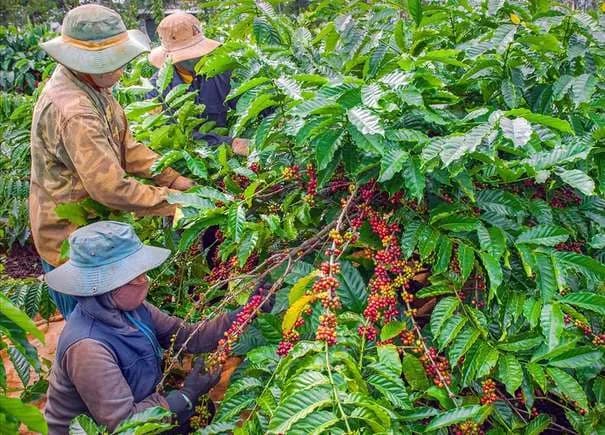
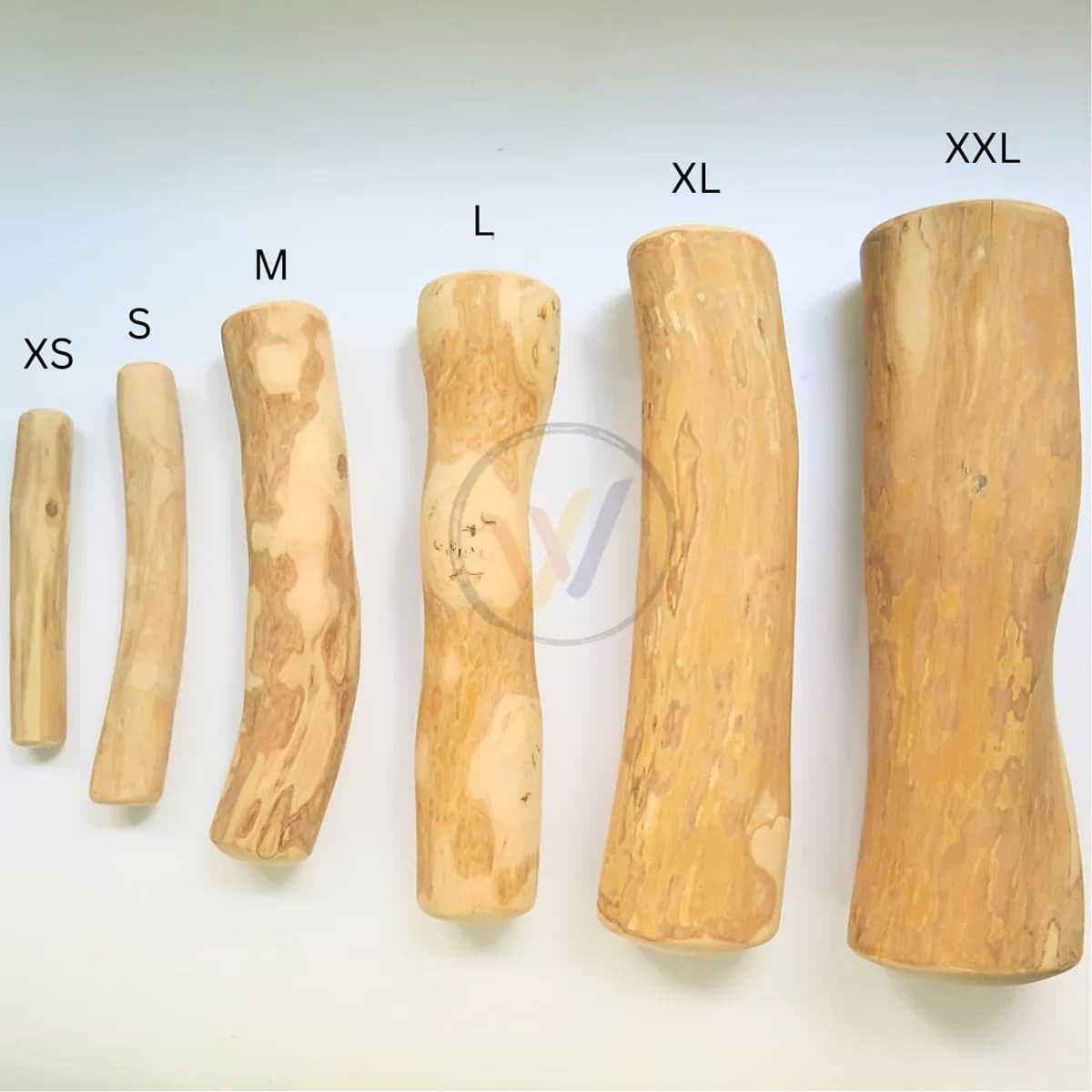
The product itself with nothing synthetic added — coffee wood, coconut fiber, hemp and loofah, not a natural-looking coating over a synthetic core. A traceable answer to where the material comes from, back to a named province, not a general claim of "sustainably sourced." And packaging that matches the claim, since packaging is often the first thing a customer's hand touches before they read anything about the product inside.
Import economics for a European or import-dependent shop
For shops importing into the EU, a EUR.1 movement certificate under the EU-Vietnam Free Trade Agreement can materially change the duty position on a natural product line, which affects whether the retail price after the swap is actually competitive against the plastic range it replaces. This is worth confirming before pricing the reset, not after the first order lands.
Where to start
If you are planning a category reset and want to test a shelf-adjacent trial before committing to a full range swap, request samples of the specific SKUs you are considering — a small mixed order across coconut fiber, hemp and loofah gives you a real comparison point against what is currently on the shelf.