OEM vs ODM for Pet Products: Which One Fits Your Brand
OEM and ODM get used interchangeably in supplier quotes. The difference changes who owns the design, how fast you can launch, and what you can defend as unique.
By WINVN · · 3 min read
Suppliers use "OEM" and "ODM" loosely enough that the terms have stopped being useful on their own. Asking which one a supplier offers gets a confident answer almost every time — the more useful question is what each actually means for launch speed, design ownership and how defensible the product is once a competitor sees it on a shelf.
What the terms mean in practice
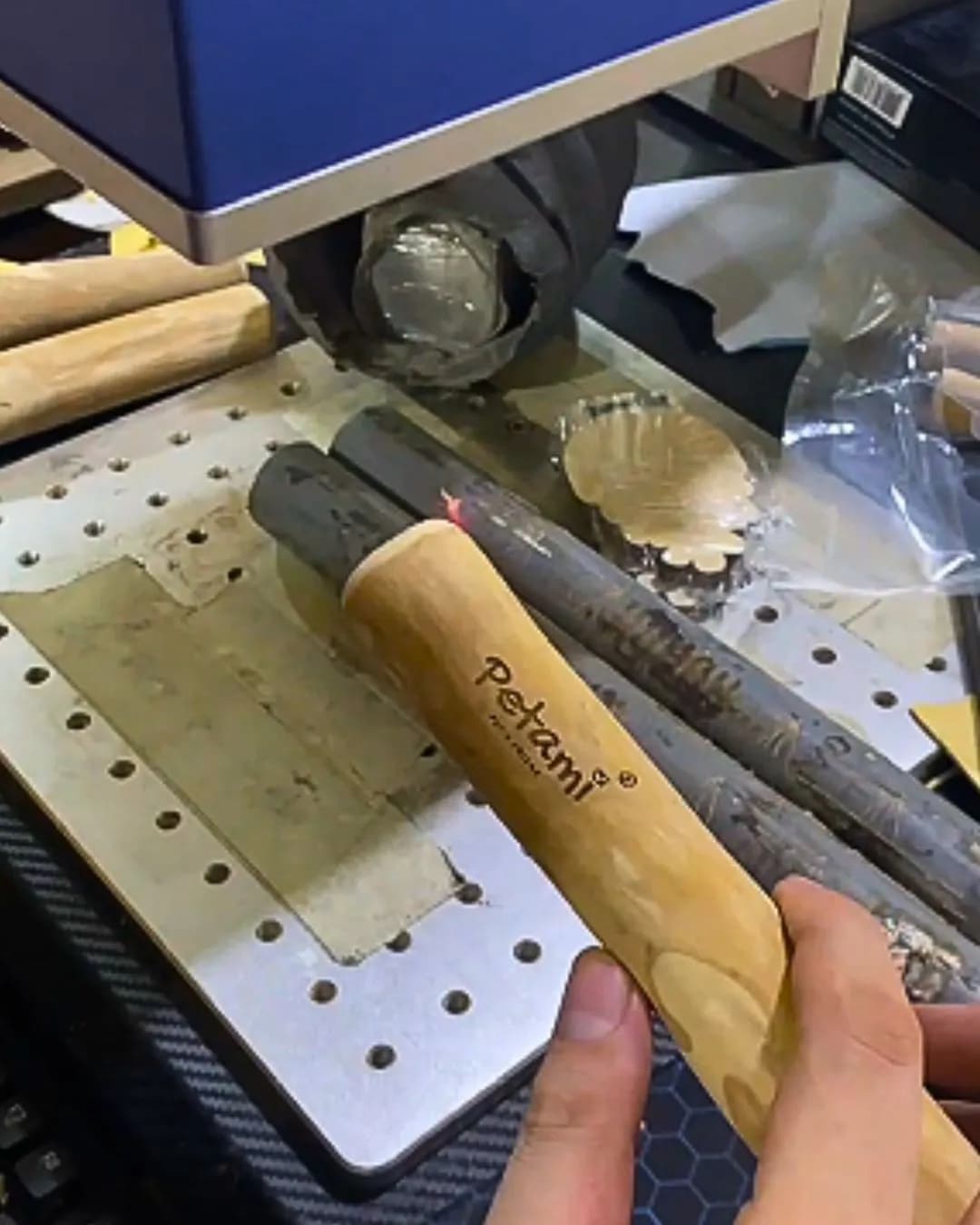
ODM (Original Design Manufacturer) means the supplier already has the product designed, tooled and in some cases already in market under other brands. You are selecting from an existing design and applying your branding — packaging, labelling, sometimes a colour or material variant. This is the fastest path to a listing, and it is also the path a competitor can walk just as easily, because the underlying product is not exclusive to you.
OEM (Original Equipment Manufacturer), in pet products, usually means the supplier builds to a specification you provide or co-develop — dimensions, materials, features specific to your brand's positioning. It takes longer because there is real development work: sampling rounds, tooling where relevant, and iteration before the first production order. What you get in exchange is a product your competitors are not also selling under a different label.
The decision that actually matters
The real question is not which term describes the process — it is whether your brand's positioning depends on the product being different from what is already on the market. A private label brand competing mainly on price and availability loses little by starting ODM: speed to shelf matters more than product exclusivity at that stage. A brand built around a specific claim — a size range no one else offers, a material combination, a functional design — needs OEM development, because an ODM catalogue product cannot carry that claim honestly.
What OEM development actually costs in time
Expect a real specification conversation before the first sample, one to two sample rounds to converge on the final version, and a production lead time that starts only after the sample is approved — not from the day the conversation began. How the OEM process actually works walks through that sequence step by step. Budget for it up front rather than discovering it after a launch date has already been promised to a retail buyer.
A middle path most new brands miss
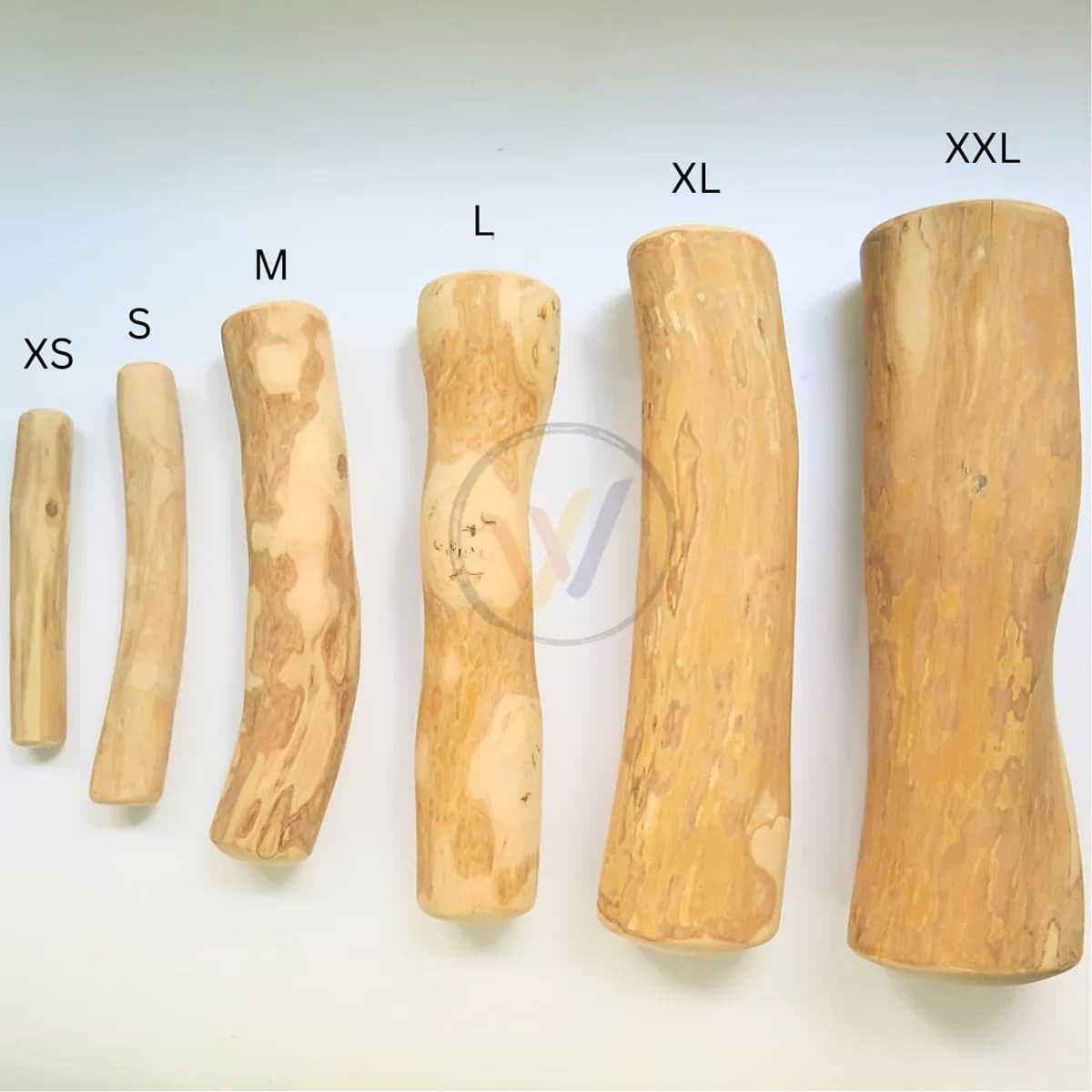
Full custom development is not the only alternative to a stock catalogue product. Requesting a size mix, a material blend, or a packaging change on an existing product line — coffee wood, hemp, coconut fiber, loofah — often gets most of the differentiation of OEM without the full development timeline. It is worth asking a supplier explicitly what can be modified on an existing line before committing to ground-up development.
If you know roughly what needs to be different about your product and why, request a quote with that spec — a supplier who has actually done OEM work will tell you honestly whether it needs full development or whether an existing line gets you most of the way there.