Importing Natural Pet Chews into Japan: What to Check First
Wood-based pet products entering Japan need plant quarantine clearance and correct origin paperwork. Here is the sequence that avoids a hold at the port.
By WINVN · · 3 min read
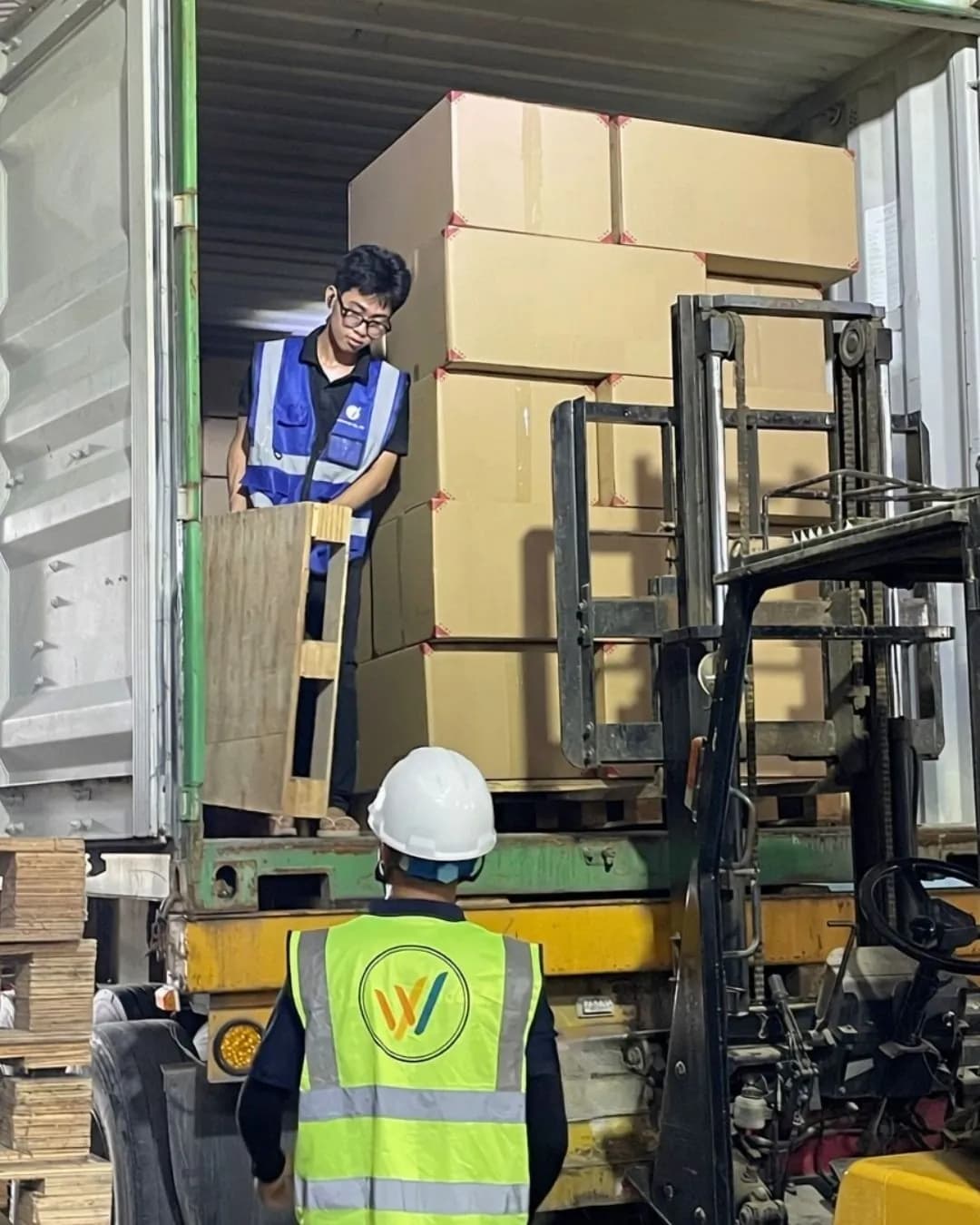
Japan is a demanding market to enter and a good one to hold. Buyers expect consistency, documentation is checked properly, and a shipment that arrives with the wrong paperwork does not get a warning — it gets held.
Here is the orientation, with one caveat stated up front and repeated at the end: verify everything below with your own customs broker before you ship. Regulations change, they vary by commodity, and the liability at import is yours, not your supplier's.
The three things that decide whether it clears
1. Plant quarantine
Wood-based products fall under Japan's plant quarantine regime, administered by the Plant Protection Station under the Ministry of Agriculture, Forestry and Fisheries. In practice this means a phytosanitary certificate issued in the exporting country, certifying the consignment was inspected and found free of specified pests.
Depending on the commodity and its condition, treatment may also be required — usually fumigation, evidenced by a fumigation certificate recording the agent, dosage, exposure duration and the container treated.
The important part for planning: this is not paperwork you attach after production. Inspection happens on the actual goods, so the requirement has to be known before the order is made.
2. Origin documentation
Japan and Viet Nam are both parties to bilateral and regional agreements that give preferential tariff treatment on qualifying goods. The relevant certificate of origin for the Viet Nam–Japan Economic Partnership Agreement is Form VJ. Regional agreements have their own forms.
Which one gives you the better rate depends on the HS classification of your product and the agreement in force. That is a question for your broker with your specific product in front of them — not one to answer from a blog post.
Coffee wood chews classify under HS heading 4421 (other articles of wood) in the shipments we have made. Confirm the classification your broker will use, because it drives both the duty rate and which agreements apply.
3. Product presentation
Japanese buyers and retailers are exacting about packaging condition in a way that is not merely aesthetic — damaged or inconsistent retail packaging gets rejected at the distributor, not at the border. If you are selling into Japanese retail:
- Specify the carton and inner packing properly, and inspect it before sealing
- Expect the labelling to be checked against what was agreed, character by character
- Build in time for a sample approval round on packaging, not just on product
A sequence that works
- Before production — tell your supplier the destination. Get the document list confirmed for Japan specifically, and have your broker sanity-check it.
- Before shipping — confirm the current requirements again. Rules genuinely do change between orders, and "it cleared last time" is not a compliance strategy.
- At production — arrange phytosanitary inspection and any required treatment on the actual goods.
- At shipment — full document set: commercial invoice, packing list, bill of lading, certificate of origin, phytosanitary certificate, fumigation certificate where required.
- Send scans ahead — your broker should have the documents before the vessel arrives, not when it does.
The most common mistake
It is not a missing certificate. It is assuming this shipment is identical to the last one.
Regulations get revised, HS classifications get reinterpreted, and a treatment that was accepted a year ago may not be now. The habit that prevents almost every port hold is boringly simple: recheck before every shipment, on both sides. We recheck; ask your broker to as well. Two sets of eyes on this is not paranoia, it is the cost of not having a container sit in bond.
Getting the document list for your shipment
Tell us the destination country and the product, and we will confirm exactly which documents your shipment needs and send redacted examples of each. Start with a quote request, or see what we issue on the certificates page.
Again: verify with a licensed customs broker in Japan before you commit to a shipment. Nothing above replaces that.