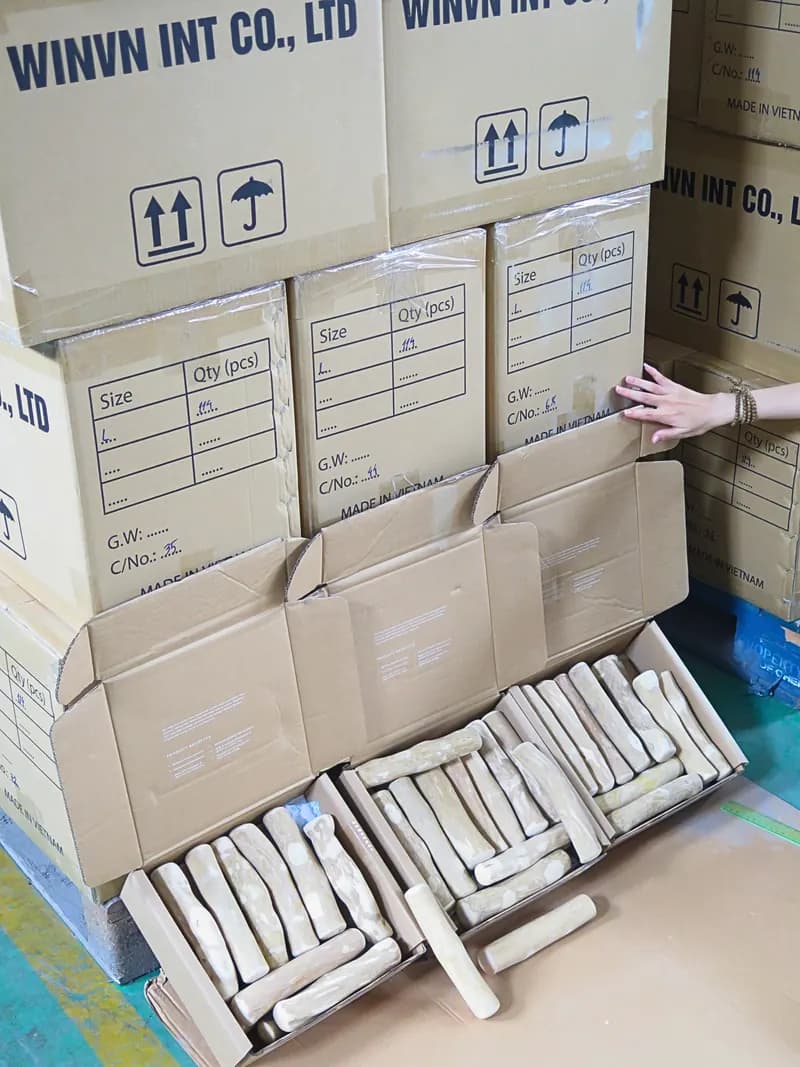
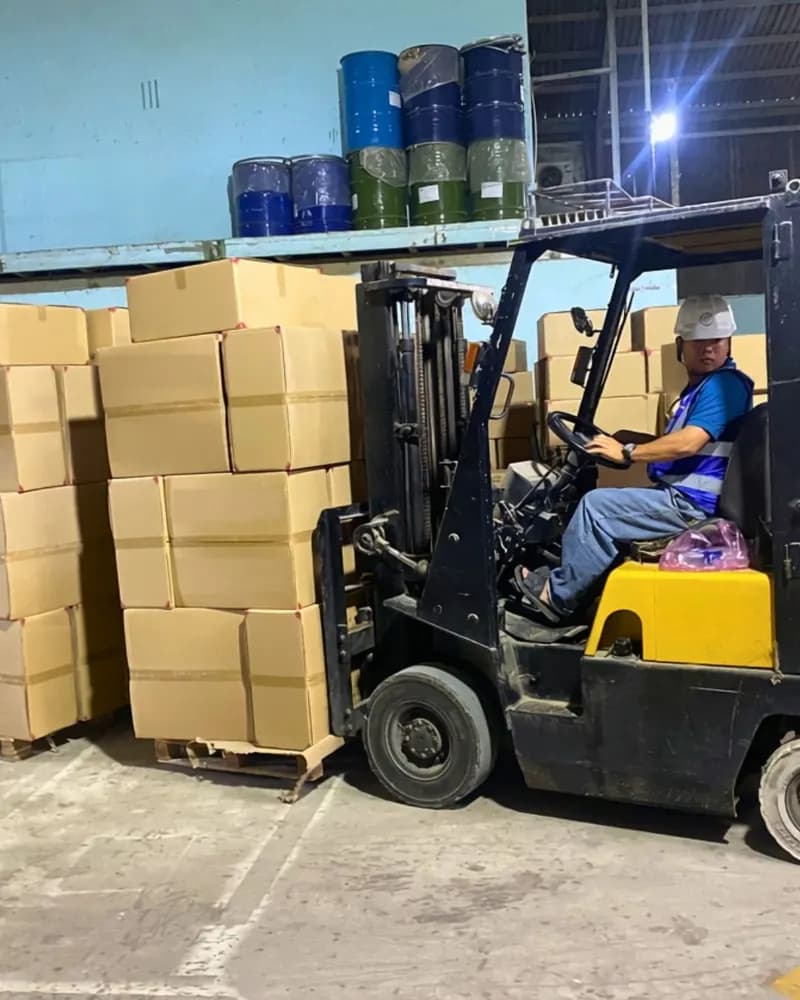
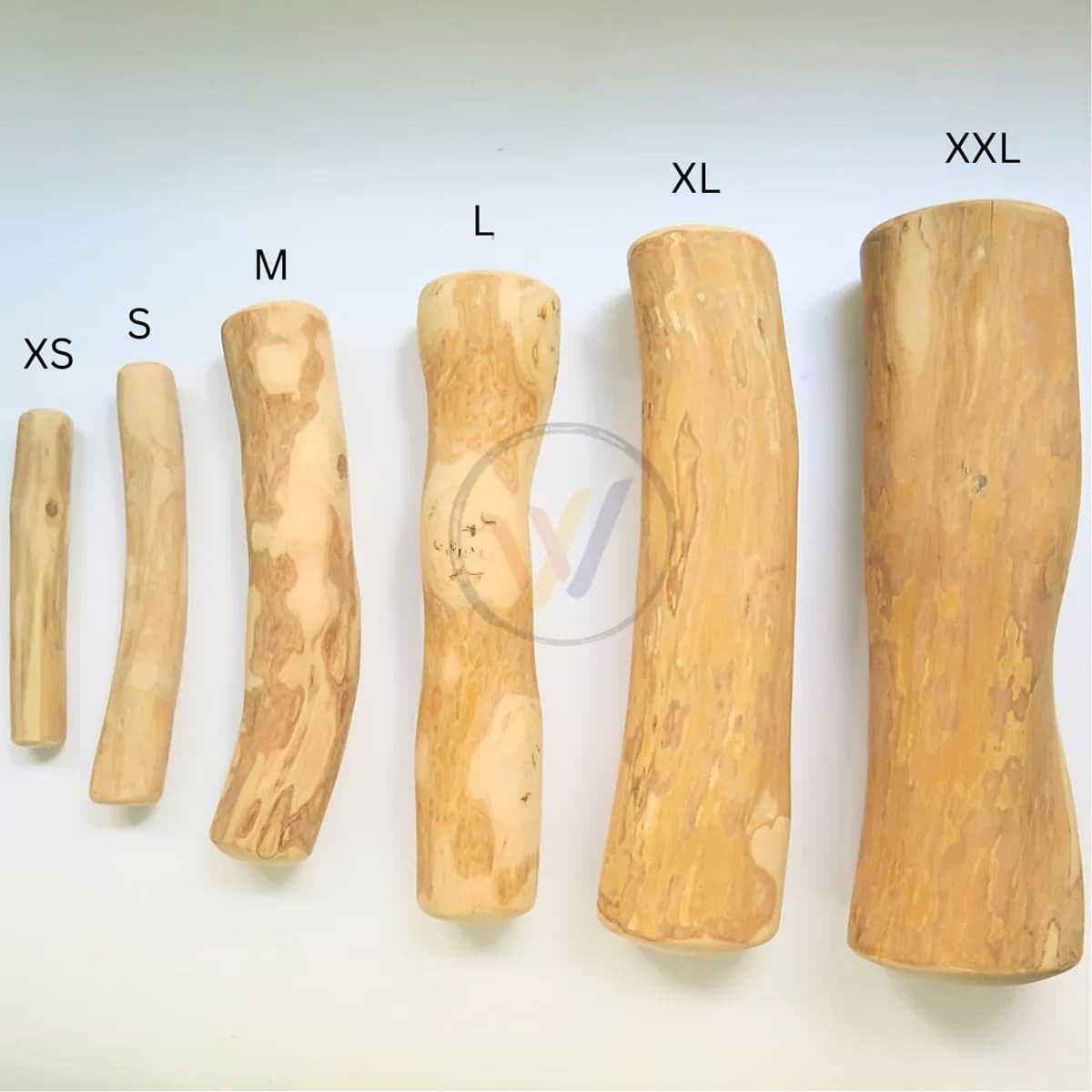
Importing Coffee Wood Dog Chews into the UK and Canada: Two Very Different Gates
Importing wooden dog chews from Vietnam into the UK and Canada: plant-health rules, ISPM 15, treatment, origin preference and who to ask.
By WINVN · · 6 min read
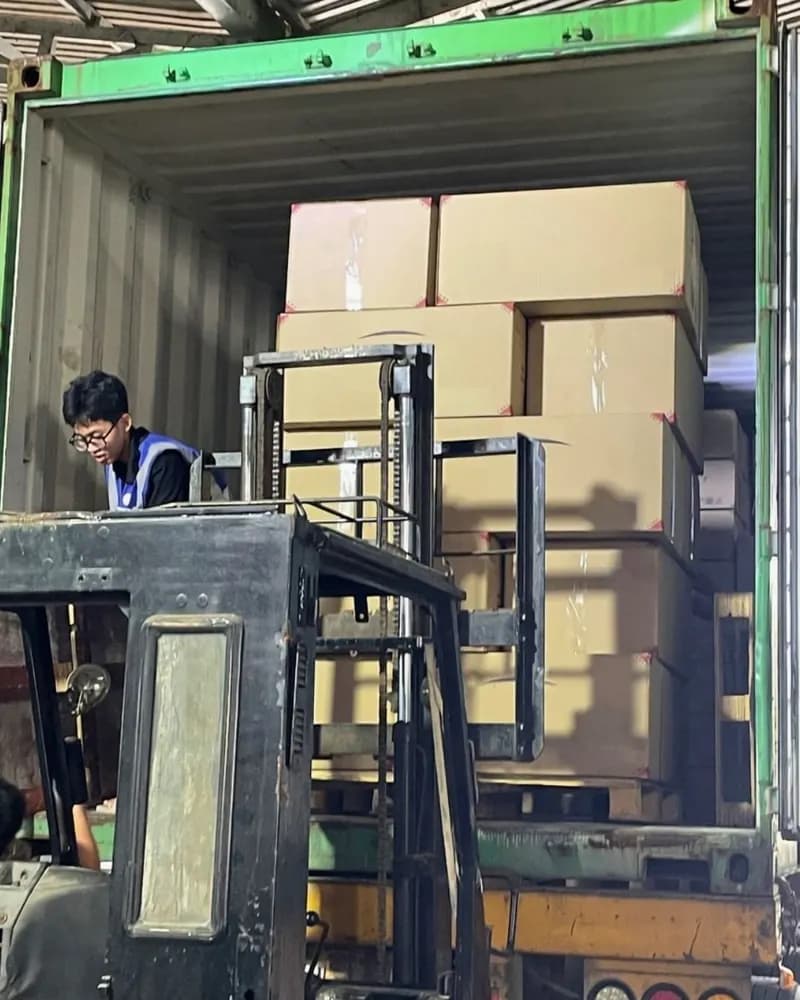
The customs heading for a coffee wood dog chew is the same almost everywhere: heading 4421, other articles of wood, at six digits. What differs is the paperwork each market attaches to a wooden article from Vietnam. The UK and Canada are a useful pair because they sit at opposite ends.
Short answer: for Great Britain, wood imports are controlled by a list of commodity codes, and on WINVN's reading heading 4421 is not on the controlled list, so the chew itself does not normally need a phytosanitary certificate; wood packaging still has to meet ISPM 15. For Canada, plan on the opposite: the Canadian Food Inspection Agency (CFIA) assesses solid wood by what it is, not by its tariff code, and a solid chew thicker than about 1.5 cm is likely to need a phytosanitary certificate with treatment. Get written confirmation before booking.
United Kingdom
Plant health
Great Britain regulates wood, wood products and bark by commodity code. Codes on the controlled list need a phytosanitary certificate and pre-notification; codes not on it do not. On our reading of the GOV.UK guidance, heading 4421, other manufactured articles of wood, sits outside the controlled list. Check the current list on GOV.UK ("Importing and exporting wood and timber products") against your own commodity code before relying on this. WINVN issues a phytosanitary certificate for every shipment anyway, because many brokers and buyers ask for it and it records the botanical genus.
Animal health
None. UK animal by-product rules, and export health certificates such as those for animal-origin dog chews, apply only to material obtained from animals. Coffee wood contains none. See the HS code for coffee wood dog chews for the legal definition.
Pallets and wood packaging
Whatever the goods are, wooden pallets and crates must meet the international ISPM 15 standard (treated and marked). Tell us if your warehouse needs a specific pallet type.
Duty and origin
Vietnam and the UK have a free trade agreement in force (the UK–Vietnam FTA). Preferential duty is claimed with an origin document, which WINVN supplies. Read the current rate for your commodity code on the UK Trade Tariff; this article gives no percentages because they change.
Labelling and claims
Great Britain applies its own feed and consumer rules. The same caution applies as in the EU: no disease or dental claims, no unsupported "caffeine-free", and no vague green claims. See what not to print on a dog chew pack.
UK checklist
- Confirm your commodity code and whether it is on the controlled list.
- Confirm ISPM 15 pallets.
- Ask your broker about preference under the UK–Vietnam FTA.
- Keep the phytosanitary certificate, fumigation certificate and origin document on file even if not strictly required.
Canada
Plant health: the one to plan for
CFIA does not start from the tariff heading. It asks what the wood is and how far it has been processed. Its forest-product import requirements treat wood as lower risk once it has been processed enough to reduce its ability to carry pests, with examples such as plywood, fibreboard and finished furniture. A solid piece of stem wood is not one of those.
CFIA guidance on goods with wood components uses a thickness test: small or fully processed pieces carry fewer requirements, while solid pieces thicker than 1.5 cm generally need a phytosanitary certificate with fumigation or heat treatment, and anything with bark or a natural round surface can need an import permit. Most coffee wood chew sizes above XS are thicker than 1.5 cm. That guidance was not written for dog chews, so it indicates CFIA's test rather than deciding your entry.
What to do:
- Run your goods description through CFIA's Automated Import Reference System (AIRS).
- Get written confirmation from CFIA's National Import Service Centre before the container is booked.
- Tell WINVN at quotation stage that the destination is Canada, so treatment can be arranged at origin.
Kiln dried is not heat treated
Drying is a moisture process; WINVN finishes coffee wood below 14% moisture on every batch. A biosecurity heat treatment is a temperature-and-time process, commonly 56 °C at the core for at least 30 minutes, the same specification used for wood packaging. The same kiln run can do both, but a moisture log is not evidence of a core temperature. If Canada requires treatment, it must be recorded as temperature and hold time when it is done, or carried out as fumigation with the figures on the certificate.
Bark and surface
WINVN removes bark before drying and sands every piece. Keep it that way in your specification: bark or a rough natural surface can move a wood product into a stricter category.
Feed and pet food
Canada's Feeds Act covers livestock feed, not dog and cat food. Pet food imports are regulated mainly for animal-health reasons where animal-origin ingredients are involved; coffee wood has none. Check AIRS for your description anyway.
Duty and origin
Vietnam and Canada are both parties to the CPTPP, so preferential treatment may be available with the right origin documentation. Check the CBSA Customs Tariff for your code.
Canada checklist
- AIRS result for your exact goods description.
- Written confirmation from the National Import Service Centre.
- Phytosanitary certificate with treatment details, arranged at origin.
- Bark-free, sanded pieces written into the specification.
- ISPM 15 pallets.
- CPTPP origin documentation.
Why WINVN does not give blanket answers
A supplier who tells you flatly that no certificate or permit is needed is telling you something they have not checked for your shipment. The importer of record carries the liability in both countries. What we provide is the technical description, the documents for your consignment, and treatment at origin when your market needs it. For other markets see US requirements, EU plant health and Australia's BICON.
Questions buyers ask
Do I need a phytosanitary certificate to import wooden dog chews into the UK?
On WINVN's reading of GOV.UK guidance, heading 4421 is not on Great Britain's controlled wood list, so the chew itself normally does not. Confirm against the current list. Wood packaging must meet ISPM 15.
Do I need a phytosanitary certificate for Canada?
Plan on yes for solid pieces thicker than about 1.5 cm, with fumigation or heat treatment. Confirm through AIRS and in writing with CFIA before booking.
Can WINVN treat the wood before shipping to Canada?
Yes, if you tell us at quotation stage. Treatment is arranged at origin and recorded on the certificate; it cannot be added after the cartons are sealed.
Request a quote with your destination country and we will confirm the document set and any treatment before production starts.