Coffee Wood vs Rawhide vs Bully Sticks: A Wholesale Buyer's Comparison
Coffee wood vs rawhide vs bully sticks: processing, calories, import route, shelf life and where each chew wins, for wholesale buyers.
By WINVN · · 6 min read
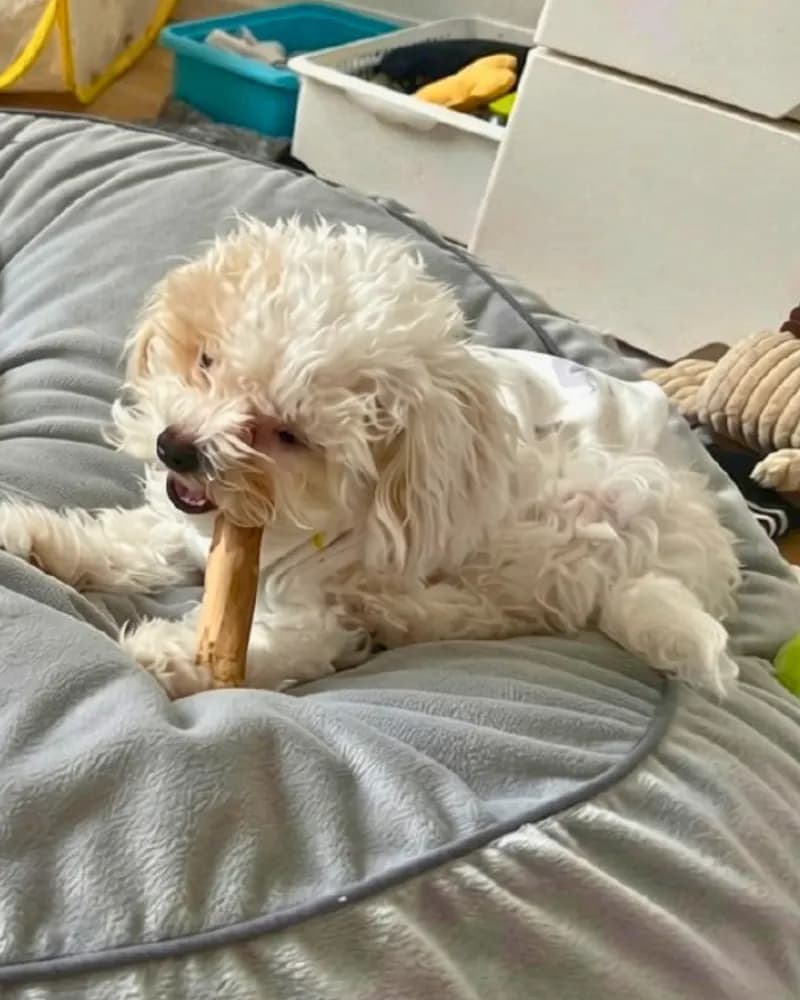
Rawhide and bully sticks are the two chews almost every pet shop already stocks. Coffee wood is usually the newcomer on the shelf. This comparison is written by a coffee wood manufacturer, so it includes the rows where coffee wood loses.
Short answer: rawhide and bully sticks are animal by-products that are eaten; coffee wood is a single untreated plant material that is worn down rather than eaten. That changes the calories, the processing, the shelf life and, most expensively, the import route. Coffee wood loses on unit price, on familiarity, and for dogs that are destructive chewers.
What each chew is
- Rawhide is the inner layer of cattle hide, split off during leather production, then cleaned, degreased and often bleached. Without that processing the hide would spoil.
- Bully sticks are dried beef pizzle (muscle). They soften with saliva and are consumed.
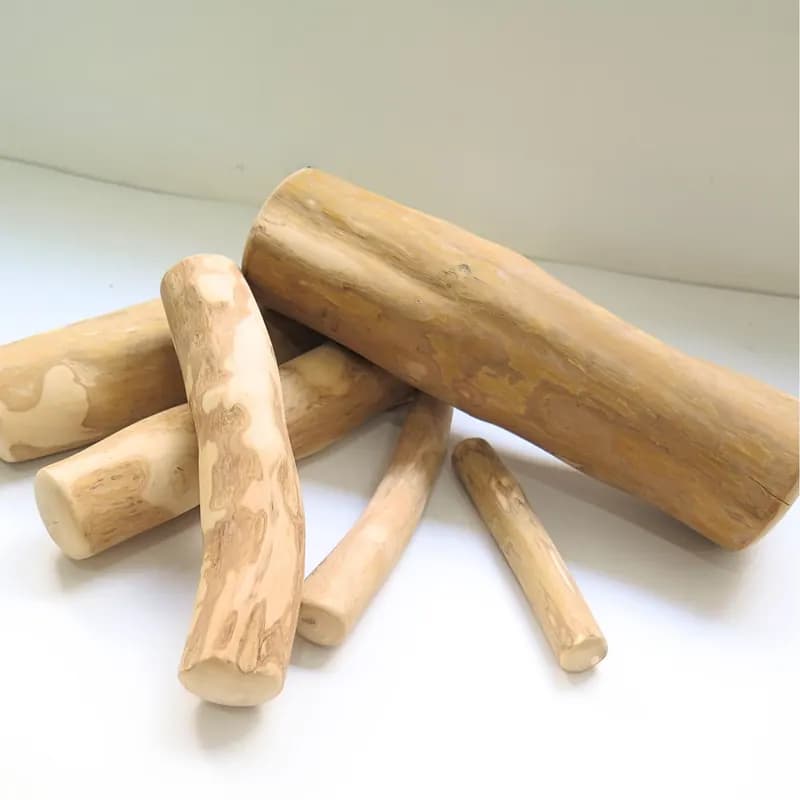
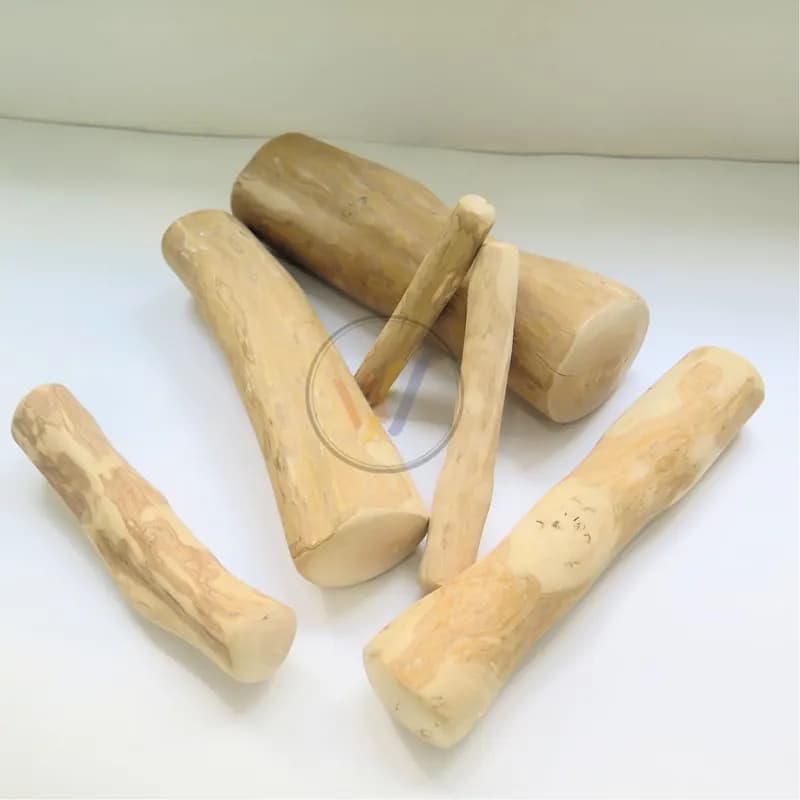
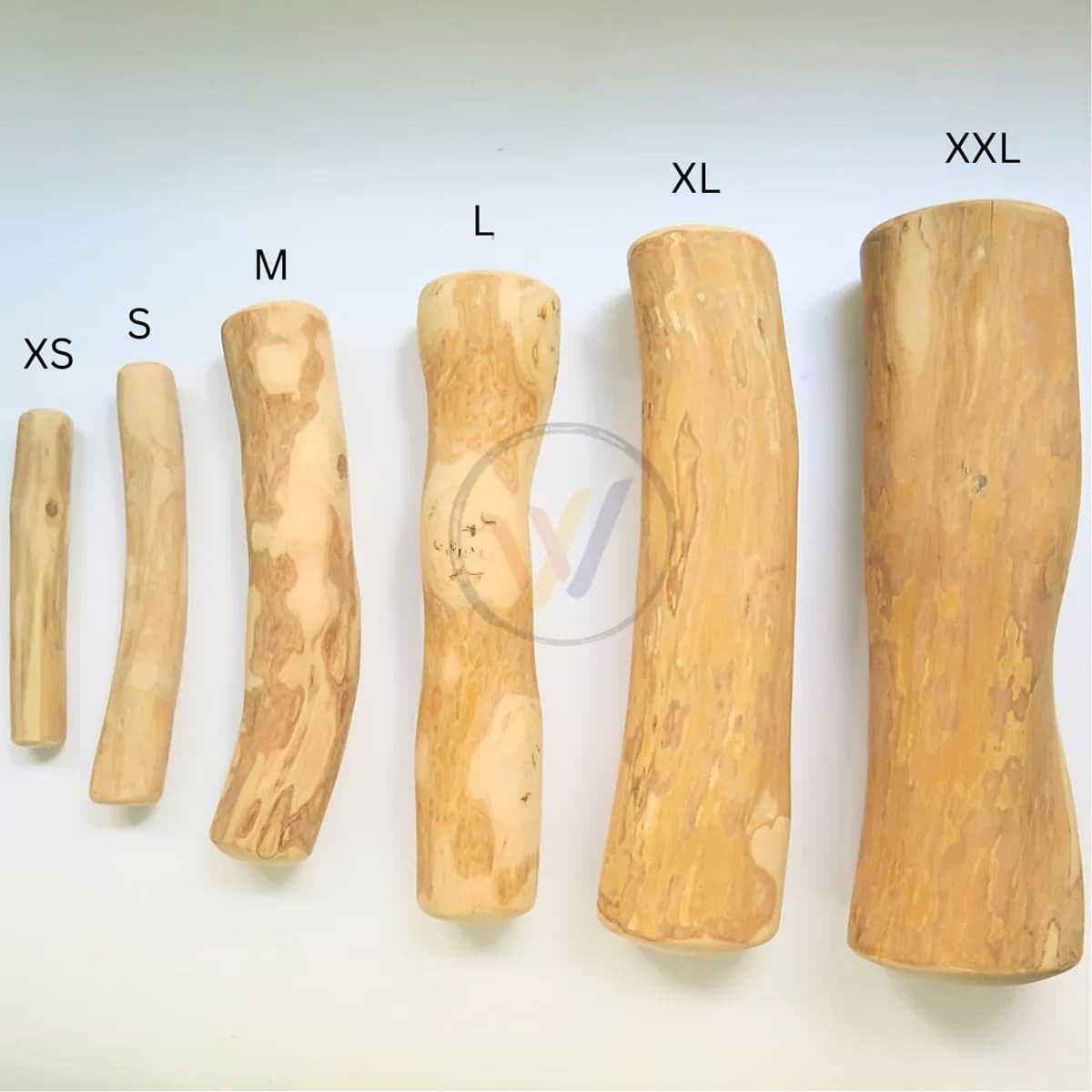
- Coffee wood is cut from the trunks and thick branches of Robusta coffee trees over 20 years old, removed at the end of their productive life. The bark is stripped, the wood is dried to below 14% moisture and sanded. Nothing is added: no oil, coating, flavouring, binder or preservative.
Processing: where the documented risk sits
On 10 June 2017 the US Food and Drug Administration published a voluntary recall covering several rawhide brands from one manufacturer, because a quaternary ammonium compound had been used as a processing aid without approval for that use. The recall has since been completed. It is cited here as public record about how rawhide is processed, not as a claim about any product on sale today.
A coffee wood chew has no chemical processing step at any stage, so there is no processing aid for a regulator to question later.
Calories and hygiene
A 2013 study in the Canadian Veterinary Journal (Freeman, Janecko and Weese) measured 26 bully sticks at 9 to 22 calories per inch; an average six-inch stick came to about 88 calories, roughly a fifth of the daily intake of a 10 kg dog. The same study cultured bacteria from several of the sticks. It is one study from one region in 2013 and says nothing about any specific product on sale today, but it is why many shops now ask animal-chew suppliers for a microbiological certificate of analysis.
Coffee wood is worn down rather than eaten as food, so it does not add meat calories to a dog's day the way a bully stick does.
The import route: the row that decides landed cost
| Factor | Coffee wood | Rawhide | Bully stick |
|---|---|---|---|
| Regulatory category | plant product | animal by-product | animal by-product |
| EU entry route | commercial entry; WINVN supplies a phytosanitary certificate, fumigation certificate and EUR.1 | veterinary control regime and border control post | veterinary control regime and border control post |
| Typical customs heading | 4421, other articles of wood (confirm with your broker) | depends on processing | depends on processing |
| Shelf life if kept dry | years | check the supplier | months |
| Additives | none | varies by manufacturer | usually none, but ask |
EU rules define "dogchews" in the animal by-product sense as products made from hides, skins or other material of animal origin (Regulation (EU) No 142/2011, Annex I). Coffee wood contains no animal material, so it does not travel the veterinary route at all. For classification detail, see the HS code for coffee wood dog chews.
Where coffee wood loses
- Unit price. Rawhide is a by-product of an industry running at enormous scale. Coffee wood competes with firewood buyers for old trunks and loses about 20% of incoming material at grading, because no chemical step is used to rescue borderline pieces.
- Destructive chewers. A powerful dog can break a piece off a hard stick faster than the fibres wear down. A bully stick, which softens, can suit that dog better.
- Familiarity. Customers know what rawhide and bully sticks are. Coffee wood needs explaining, and explaining costs staff time.
- Uniformity. Every coffee wood stick has different grain and colour because every tree is different.
Where coffee wood wins
- One material, nothing added, which a buyer can describe on a pack without a substantiation problem.
- No meat calories.
- A plant-product import route with shorter paperwork than animal by-products.
- Long shelf life when stored dry, with moisture measured on every batch before packing.
- Private label from 50 pieces with laser engraving at $0.10 per piece.
What neither side can support
"Lasts longer" and "safer" are opinions, not measurements. There is no standardised durability test for pet chews, and FEDIAF notes there is currently no specific legal standard for chew hardness. No supplier can promise a chew is safe for every dog. Whatever you stock, pass on the same three instructions: match the size to the dog's weight, supervise chewing, and take the piece away once it is worn small enough to swallow.
Should a shop replace rawhide or stock both?
Stock both, in most cases. Rawhide and bully sticks keep the customer who has always bought them. Coffee wood takes the customer who wants a plant-based chew with no meat calories, and the customer whose dog outlasts everything else on the shelf. For a third comparison with antler and nylon, see coffee wood vs antler vs nylon.
Questions buyers ask
Is coffee wood safer than rawhide?
Neither is risk-free, and no supplier can promise a chew is safe for every dog. The documented difference is processing: rawhide is chemically processed, while coffee wood has no chemical step.
Does coffee wood splinter?
In normal chewing the surface wears into soft frayed fibres rather than hard fragments. That is an observation about how the material behaves, not a guarantee; a powerful chewer can break a piece off.
What is the minimum order to test coffee wood in a shop?
50 pieces per size on stock packaging, or 500 pieces per SKU with your own printed label. A 100-piece Trial Box is designed for testing a shelf.
Request three free samples and put them next to the rawhide and bully sticks you already stock.