Why 'Natural, Non-Toxic Dog Chew' Searches Jumped 38% YoY
Pet Humanization is pushing plastic and nylon chews off wishlists across North America and Western Europe. What's driving the +38% YoY search growth, and the three SKUs capturing it right now.
By WINVN · · 2 min read

Search demand does not move 38% in a year by accident. "Natural non-toxic dog chew" is up that much year-over-year across North America and Western Europe, and the driver behind it — Pet Humanization — is the same shift that has already reshaped human wellness and clean-label food. Buyers are applying the same standard to what their dog chews on.
What's actually driving the number
Pet Humanization shows up in search behavior as a specific rejection: plastic and nylon chews are being actively screened out, not just deprioritized. Shoppers are searching for the absence of something — "non-toxic," "natural" — as much as the presence of a feature. That is a different buying pattern than a typical product search, and it rewards brands that can document what is not in a product as clearly as what is.
The three SKUs capturing the trend right now
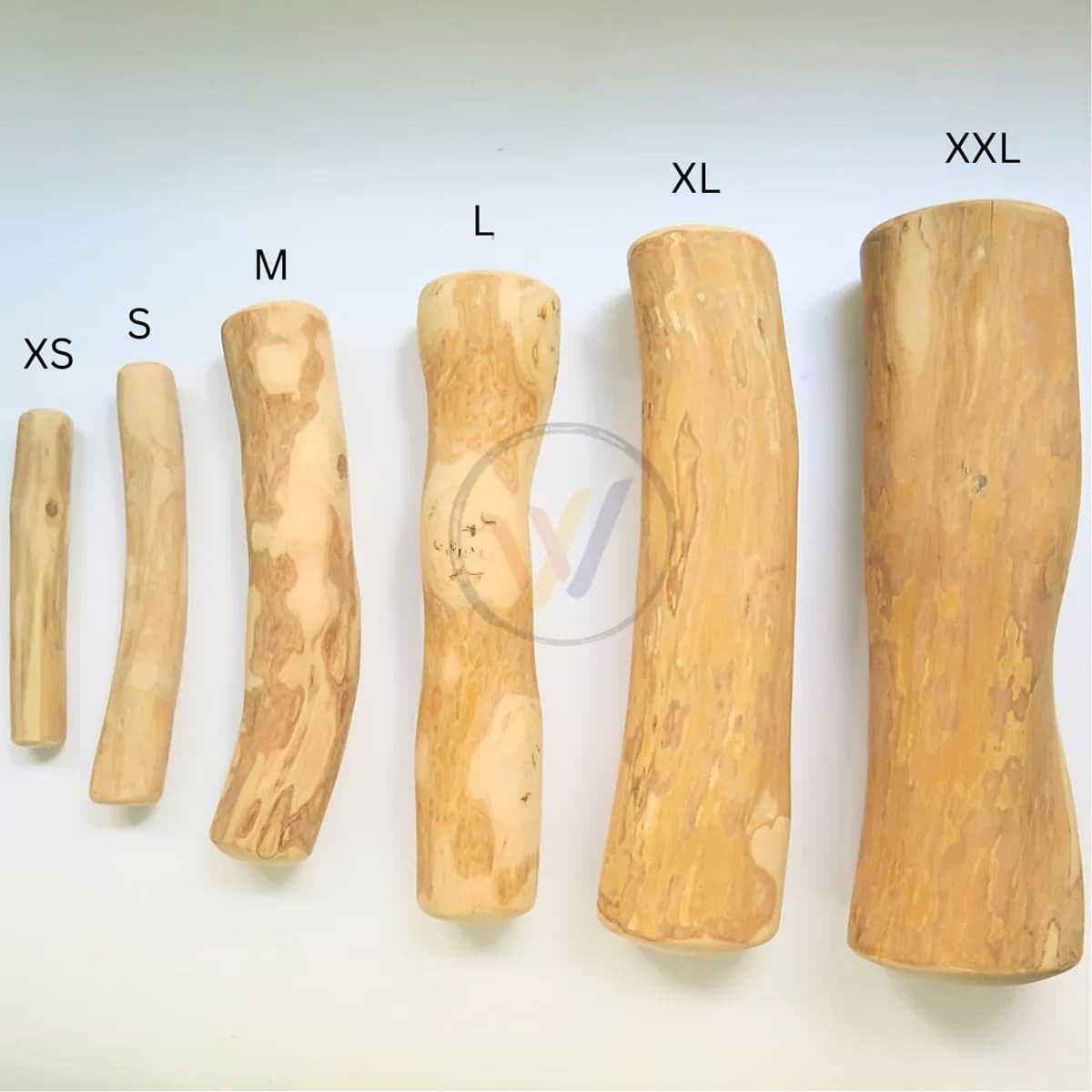
Coffee Wood Chew Stick — repurposed coffee tree wood, positioned on traceable, single-ingredient sourcing.
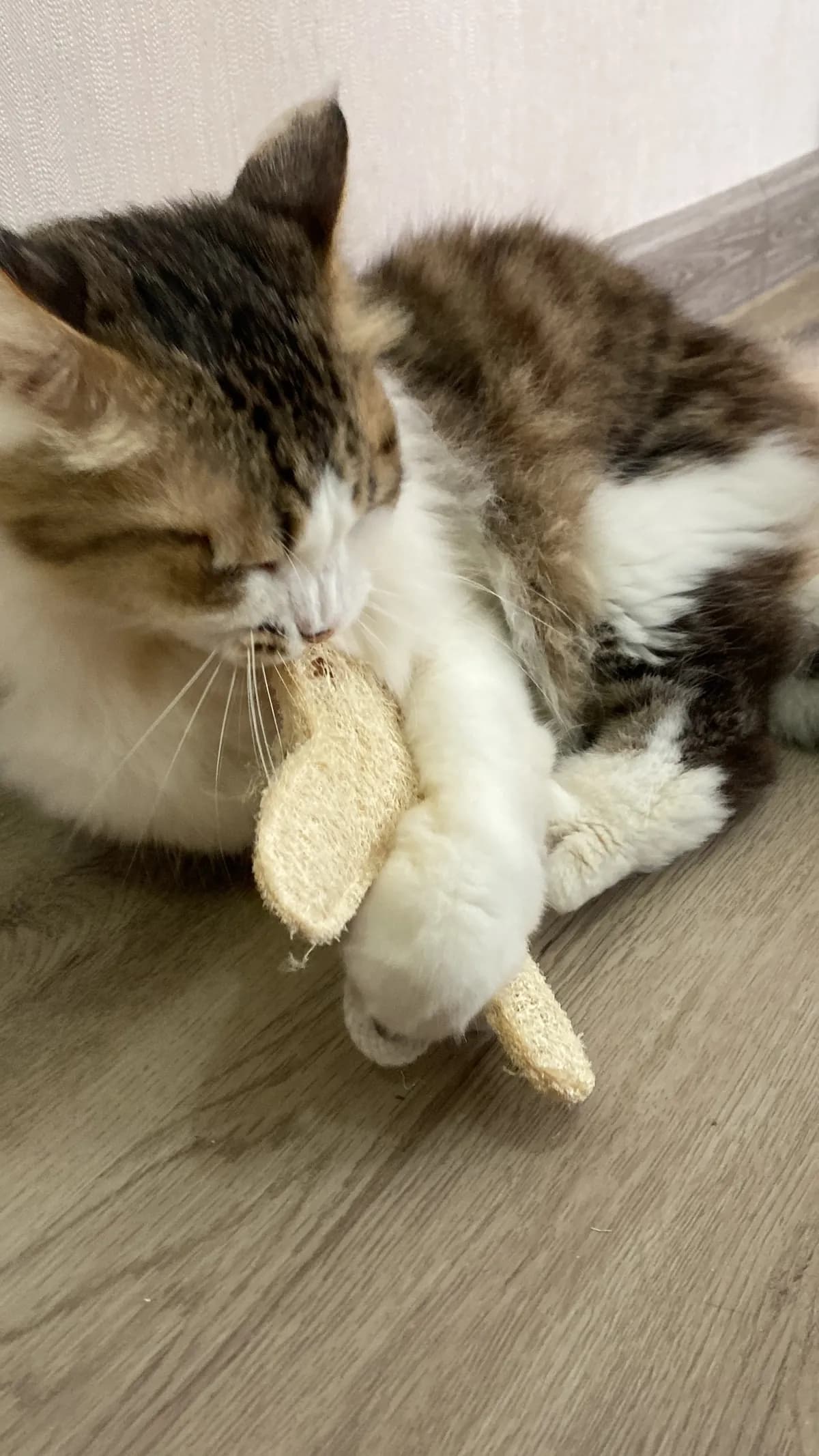
Coconut Coir Toy — woven coconut husk fiber, appeals to the same buyer who has already switched to coir doormats and compostable packaging elsewhere.
Hemp Rope Toy — durable natural fiber, crosses over with "sustainable materials" search intent as much as "natural pet" intent.
All three sit in a retail band of $14.99–$24.99 per pack (2–3 sticks, size M/L) on Amazon US, while landing at a Vietnam FOB cost of $1.10–$2.40/unit — a spread that leaves real room for a brand to compete on story and packaging rather than race to the bottom on price.
Why the sourcing story matters more than usual for this trend
A buyer searching "non-toxic" is, implicitly, asking to be shown proof, not told a claim. Recycled coffee branch wood from Vietnam's Central Highlands and 100% natural, chemical-free coconut fiber from Bến Tre both carry a traceable-origin story that is harder to fake than a "natural" label alone — and both already meet USDA BioPreferred and CE/GPSR standards, which gives a brand something to cite rather than assert.
Where to start
Request samples of the three SKUs above and see the material story firsthand before you commit shelf space or ad spend to this trend — it is easier to judge "natural" in hand than in a listing photo.