Cargo Insurance for Pet Product Shipments: What It Actually Covers
Freight insurance quoted as a percentage line item is easy to skip and expensive to have skipped once a container is damaged in transit. What it covers, and what it does not.
By WINVN · · 3 min read
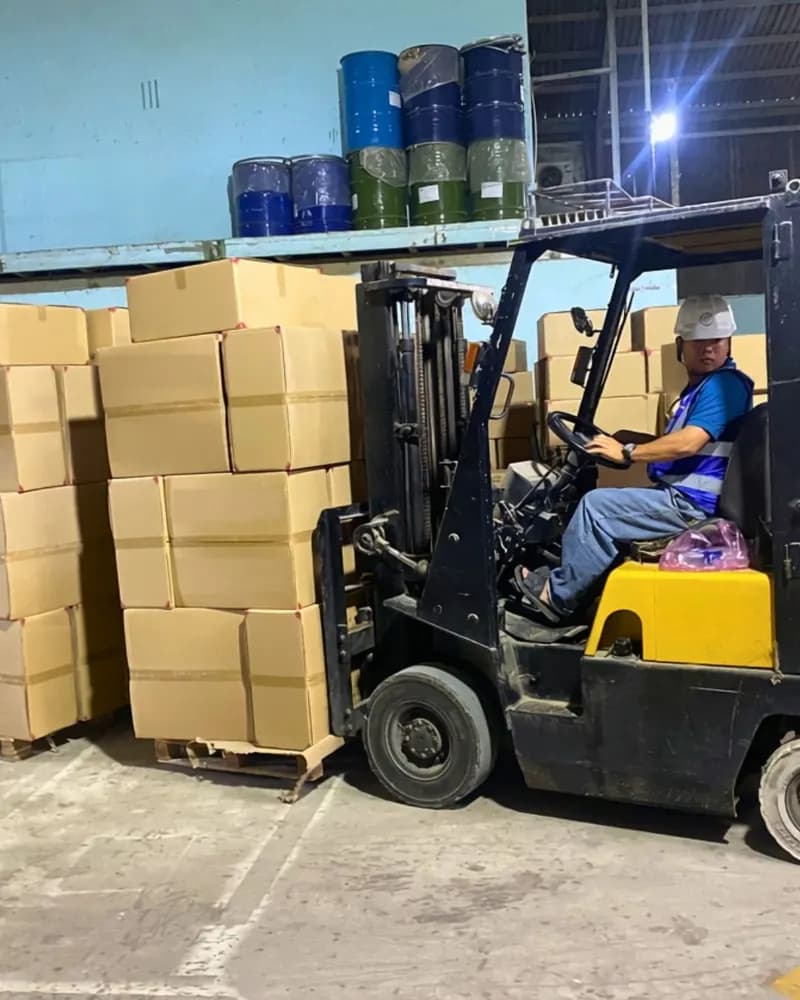
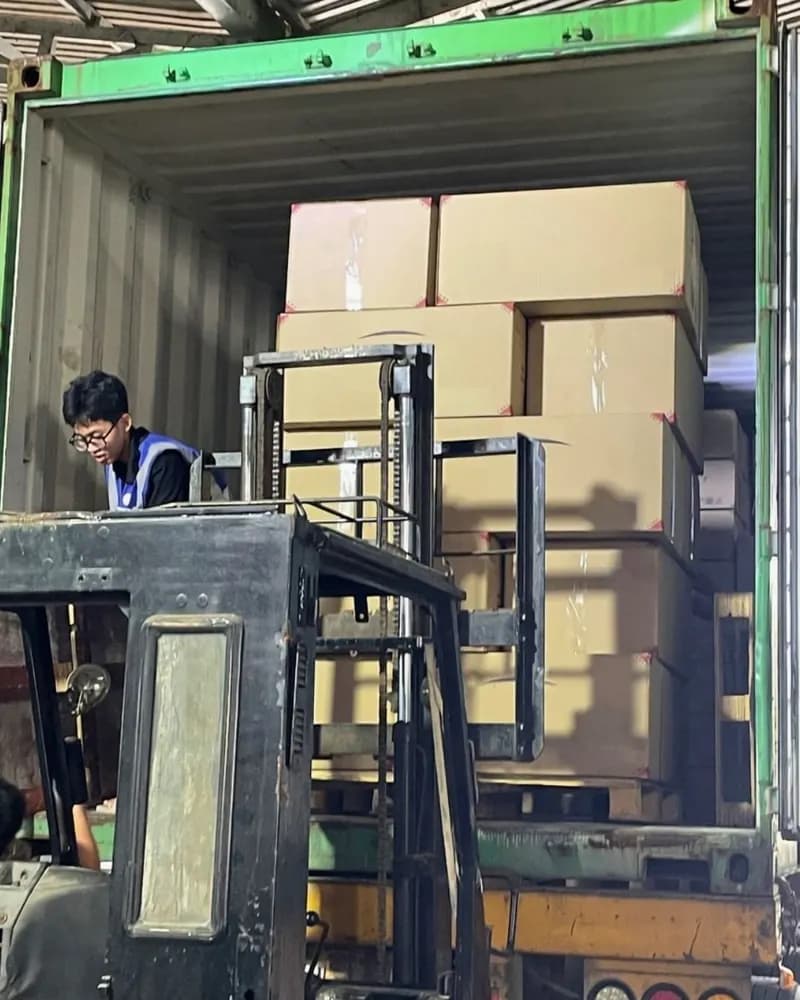
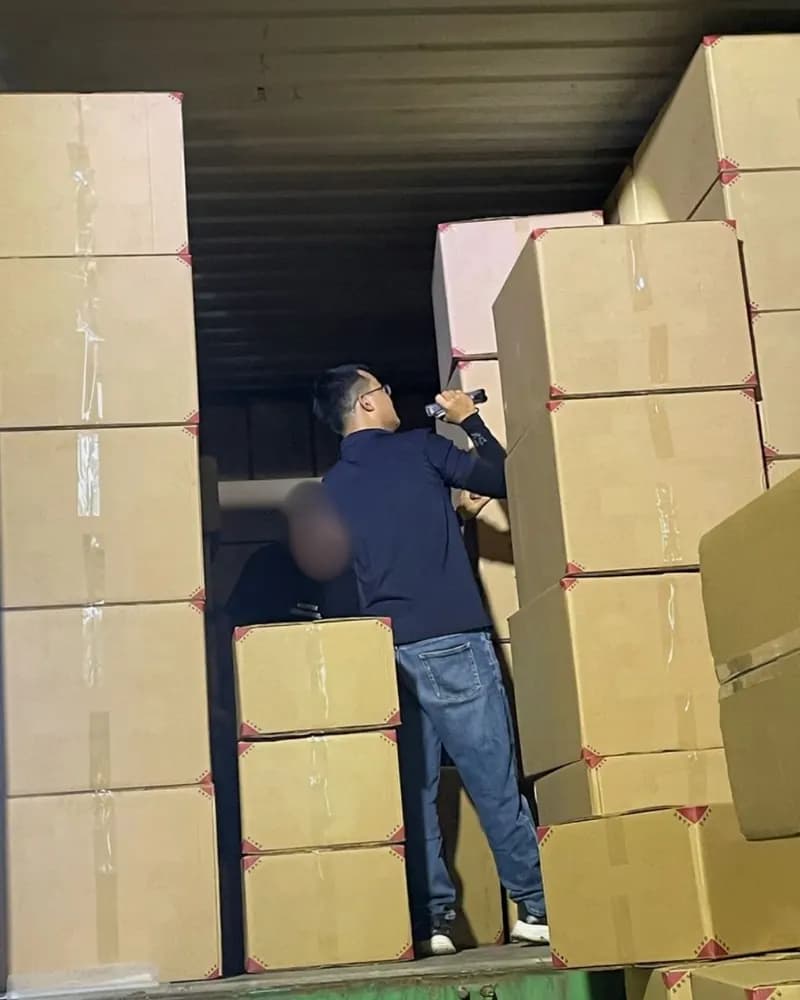
Cargo insurance shows up on a freight quote as a small percentage of shipment value, and it is the line item most first-time importers skip to shave cost off a first order. It is also the line item that turns a genuinely bad event — a container lost overboard, a warehouse fire, water damage from a leaking roof during storage — from a total loss into a recoverable one.
What a standard policy generally covers
Marine cargo insurance, at a reasonable coverage level, typically covers physical loss or damage to the goods during transit and often during interim storage — from vessel casualty, fire, and specifically named perils depending on the policy tier. The exact scope depends entirely on which coverage tier is purchased; the cheapest tier usually covers only major-event losses like total loss of the vessel, not the more common scenario of partial damage to some cartons.
What it usually does not cover
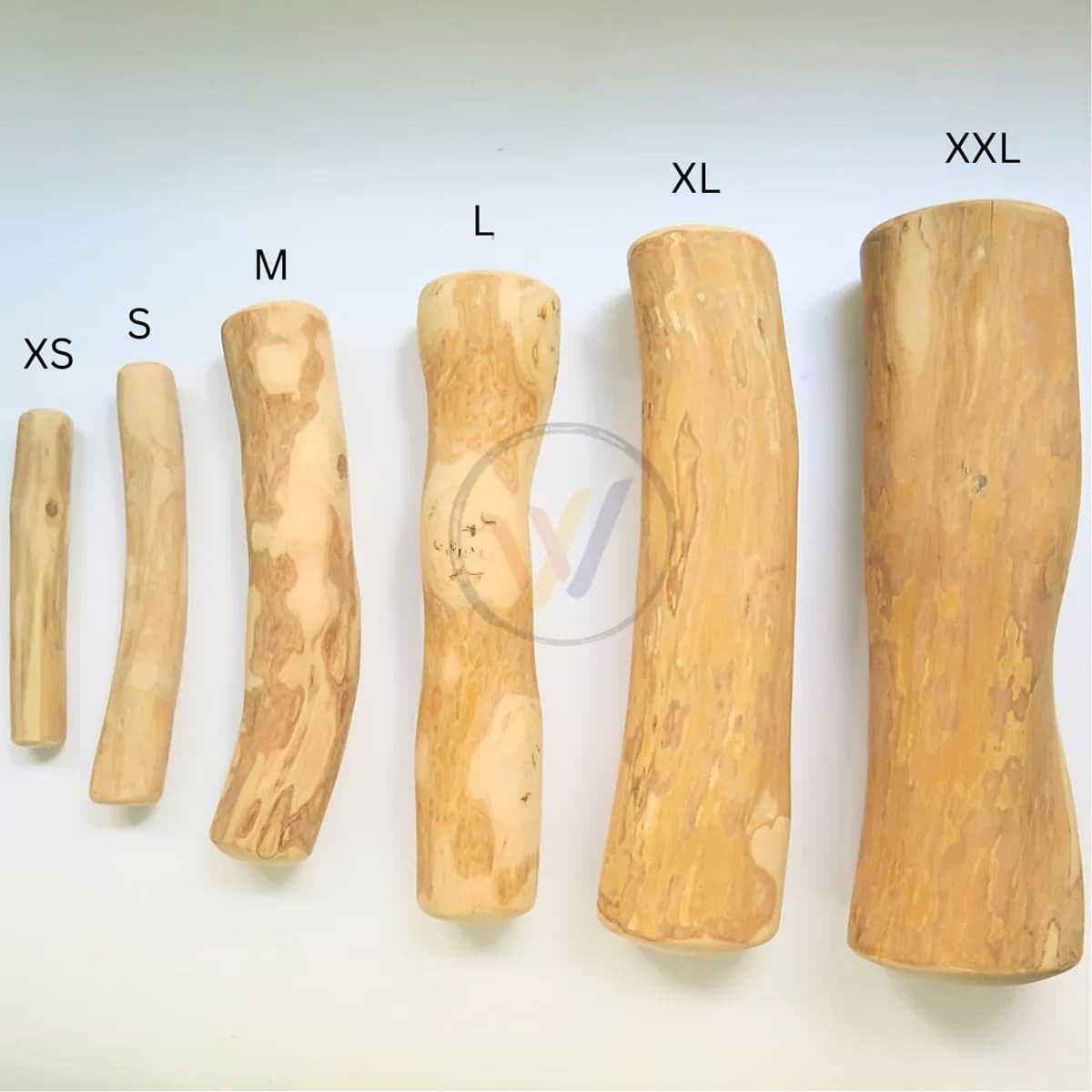
Inherent product defects. If the goods themselves were defective before they were loaded — a moisture problem in the wood that develops into mould during a long transit, for example — that is a quality issue, not a covered cargo loss. This is precisely why moisture control and batch inspection before loading matter regardless of insurance; insurance protects against transit events, not against a problem that was already present in the cargo.
Delay, without physical damage. A late container that causes a stockout or a missed retail commitment is a real business cost, but standard cargo insurance does not typically compensate for delay alone unless the policy specifically includes it.
Anything not declared at the correct value. A policy is only as good as the declared cargo value it is written against. Under-declaring value to save on premium is a common mistake that directly reduces what a claim can recover.
Who arranges it, and why that matters
Under FOB terms, the buyer typically arranges and pays for marine insurance from the port of loading onward. Under CIF, the seller arranges it but the buyer should still confirm the coverage tier and declared value, because "insurance is included" in a CIF quote can mean the cheapest available tier unless specified otherwise. FOB vs CIF vs DDP covers how these terms shift responsibility more broadly.
What to actually confirm before a first container ships
The coverage tier (all-risk vs named-perils), the declared cargo value, and the claims process — specifically, what documentation is needed to file a claim and how quickly it needs to happen after a loss is discovered. Confirming this in writing before a shipment leaves, rather than after something goes wrong, is the difference between insurance that actually pays out and a line item that turned out to be decorative.
If you are pricing a first container and have not yet arranged coverage, request a quote and ask your freight forwarder for an all-risk quote alongside the shipping cost — comparing both together gives a truer picture of what protecting the shipment actually costs.